THE ADVENTURE COLLECTIVE® · Independent discovery and booking for outdoor travel

Three days from Marrakesh into Erg Chigaga mix long 4x4 drives, UNESCO-listed kasbahs and a camel trek to a desert camp. Expect sand tracks, sunrise dune climbs, and nights under an expansive Sahara sky.
Three days from Marrakesh into Erg Chigaga mix long 4x4 drives, UNESCO-listed kasbahs and a camel trek to a desert camp. Expect sand tracks, sunrise dune climbs, and nights under an expansive Sahara sky.
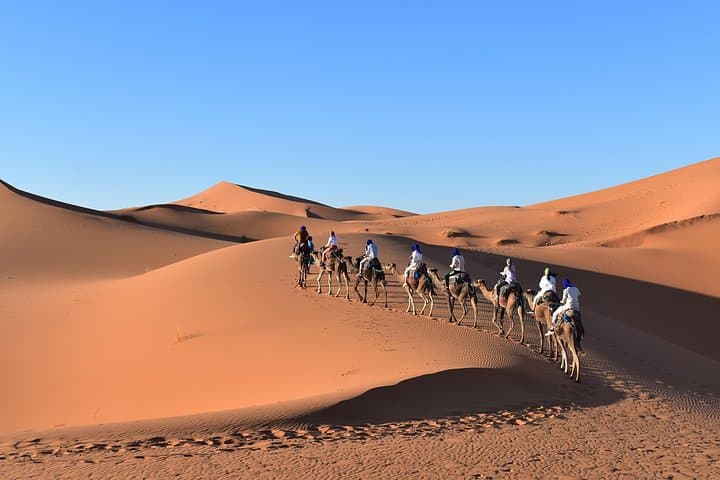
The first dust of the drive rises behind the 4x4 as the High Atlas falls away and the road opens to ochre plains; by dusk the dunes at Erg Chigaga throw long shadows and the camp’s lanterns prick the dark. You arrive with sand in your boots and a sky that seems to move on its own timetable, the dunes breathing and shifting as wind-carved ridges push and settle.
Verified experiences and guided adventures in the surrounding area.
Operated by Said Benabbou · M'Hamid, Drâa-Tafilalet
The first dust of the drive rises behind the 4x4 as the High Atlas falls away and the road opens to ochre plains; by dusk the dunes at Erg Chigaga throw long shadows and the camp’s lanterns prick the dark. You arrive with sand in your boots and a sky that seems to move on its own timetable, the dunes breathing and shifting as wind-carved ridges push and settle.
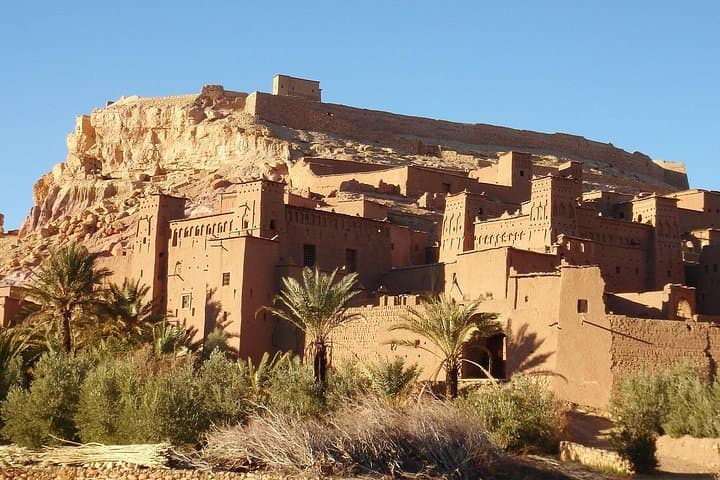
This route threads centuries of trade and film history: Aït Benhaddou’s kasbahs stand as adobe records of caravan routes and cinematic sets, while Tamgroute’s 17th-century Quranic library and hand-thrown pottery speak to a living Berber craft tradition. Geologically, the journey traces the Atlas orogeny down to the Saharan margin — gravel plains give way to interdunal corridors and the towering wind-built forms of Erg Chigaga.
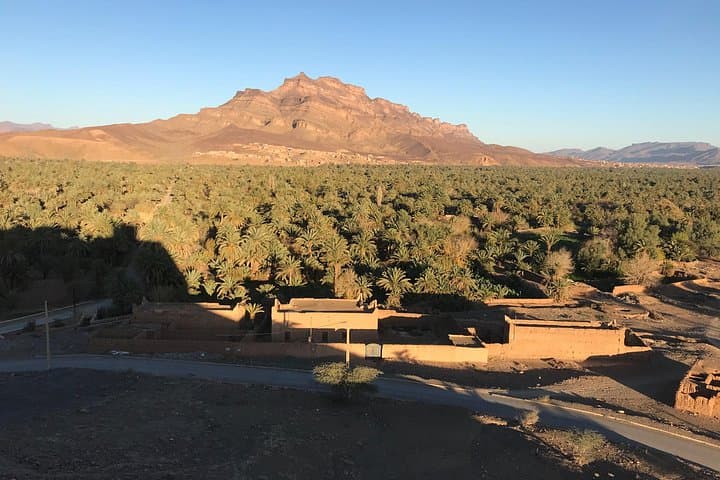
Culturally the trip is paced by small oases and villages where palms mark groundwater; local guides interpret settlement patterns born from scarce water and long-distance commerce. Expect long driving sections on tarmac and sand tracks, a 1‑hour camel transfer to camp, an optional sunrise climb, and nights in a riad, desert camp and shared meals flavored by Berber hospitality.
Practical guidance: carry at least 2–3 liters of water, bring layered clothing for hot days and cold nights, and wear closed shoes for sand and rocky village lanes. Phone coverage is intermittent; bring a power bank. Plan for early starts and flexible timing — the desert rewards patience. With modest fitness and an openness to simple comforts, the Chigaga route delivers big, tactile desert experience.
The camel ride is optional and gentle—about an hour each way; it requires basic balance but no prior experience.
Camps are traditional Berber-style with communal dining and shared facilities; expect simple bedding and locally prepared meals.
Coverage is intermittent in the dunes; some riads and larger villages have Wi‑Fi, but plan for limited connectivity in camp.
Local hosts can usually manage common dietary needs if informed at booking—bring specifics and notify the operator in advance.
Said Benabbou operates guided outdoor trips and adventures with an emphasis on safety, stewardship, and memorable experiences.
The first dust of the drive rises behind the 4x4 as the High Atlas falls away and the road opens to ochre plains; by dusk the dunes at Erg Chigaga throw long shadows and the camp’s lanterns prick the dark. You arrive with sand in your boots and a sky that seems to move on its own timetable, the dunes breathing and shifting as wind-carved ridges push and settle.
The first dust of the drive rises behind the 4x4 as the High Atlas falls away and the road opens to ochre plains; by dusk the dunes at Erg Chigaga throw long shadows and the camp’s lanterns prick the dark. You arrive with sand in your boots and a sky that seems to move on its own timetable, the dunes breathing and shifting as wind-carved ridges push and settle.
This route threads centuries of trade and film history: Aït Benhaddou’s kasbahs stand as adobe records of caravan routes and cinematic sets, while Tamgroute’s 17th-century Quranic library and hand-thrown pottery speak to a living Berber craft tradition. Geologically, the journey traces the Atlas orogeny down to the Saharan margin — gravel plains give way to interdunal corridors and the towering wind-built forms of Erg Chigaga.
Culturally the trip is paced by small oases and villages where palms mark groundwater; local guides interpret settlement patterns born from scarce water and long-distance commerce. Expect long driving sections on tarmac and sand tracks, a 1‑hour camel transfer to camp, an optional sunrise climb, and nights in a riad, desert camp and shared meals flavored by Berber hospitality.
Practical guidance: carry at least 2–3 liters of water, bring layered clothing for hot days and cold nights, and wear closed shoes for sand and rocky village lanes. Phone coverage is intermittent; bring a power bank. Plan for early starts and flexible timing — the desert rewards patience. With modest fitness and an openness to simple comforts, the Chigaga route delivers big, tactile desert experience.