THE ADVENTURE COLLECTIVE® · Independent discovery and booking for outdoor travel

Drive from Fes through cedar forests, palm oases and narrow gorges to stay overnight beneath Erg Chebbi’s dunes in a luxury desert camp. This three-day journey blends canyon walks, camel time at sunrise and cultural stops like Aït Benhaddou.
Drive from Fes through cedar forests, palm oases and narrow gorges to stay overnight beneath Erg Chebbi’s dunes in a luxury desert camp. This three-day journey blends canyon walks, camel time at sunrise and cultural stops like Aït Benhaddou.
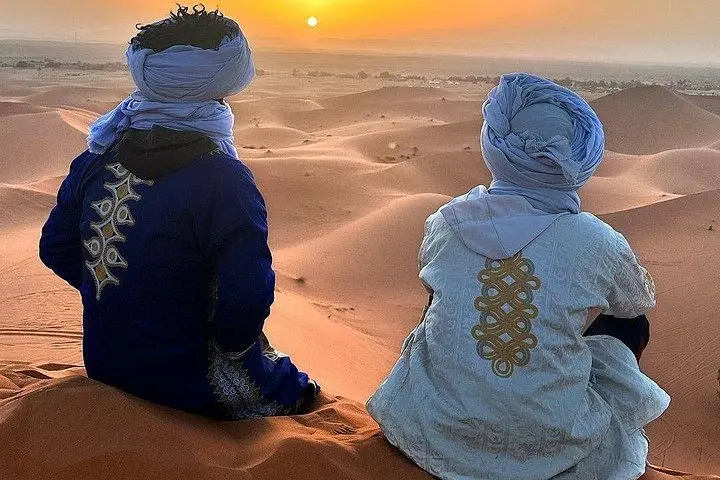
The van slides out of Fes before dawn and the atlas foothills fold away into banded plateaus. By midday the cedar forests around Azrou give way to palm-lined oases in the Ziz Valley, and finally the landscape softens into the ochre sweeps of Erg Chebbi where a luxury desert camp waits at the dune’s lip.
Verified experiences and guided adventures in the surrounding area.
Operated by Merzouga Desert · Merzouga, Drâa-Tafilalet
The van slides out of Fes before dawn and the atlas foothills fold away into banded plateaus. By midday the cedar forests around Azrou give way to palm-lined oases in the Ziz Valley, and finally the landscape softens into the ochre sweeps of Erg Chebbi where a luxury desert camp waits at the dune’s lip.
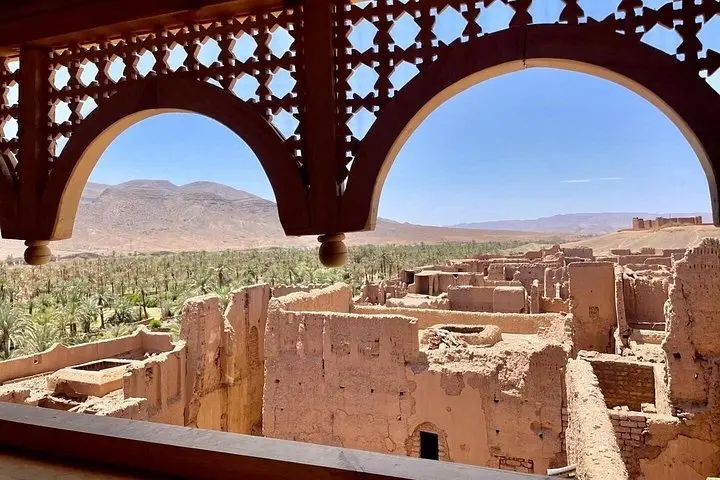
This three-day route traces centuries-old caravan corridors: cedar forests that shelter Barbary macaques, river-cut canyons like the Todra Gorge with vertical walls approaching 300 m, and the mud-brick kasbahs of the Dades Valley. Aït Benhaddou, a fortified ksar on the ancient trans-Saharan route, offers an architectural snapshot of pre-modern Saharan trade and has been a backdrop for international films.
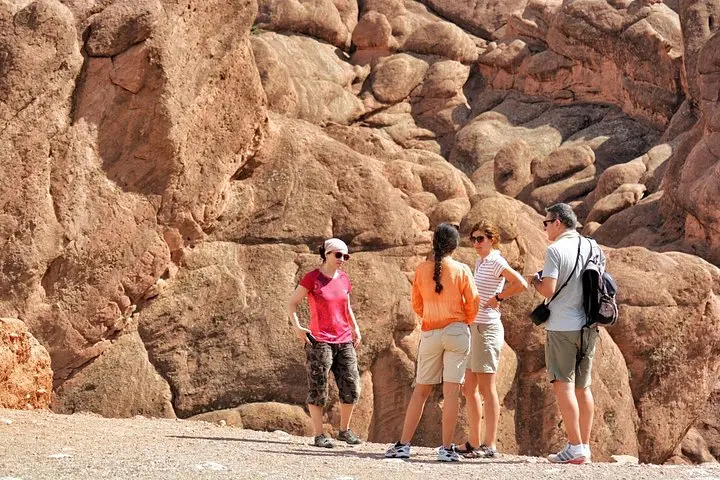
Expect long road legs—Fes to Merzouga is roughly 450–480 km and commonly takes 7–9 hours with stops—and short hikes at highlights: canyon walks in Todra, a brief climb onto dunes for sunset, and pathways through palm groves in Dades.
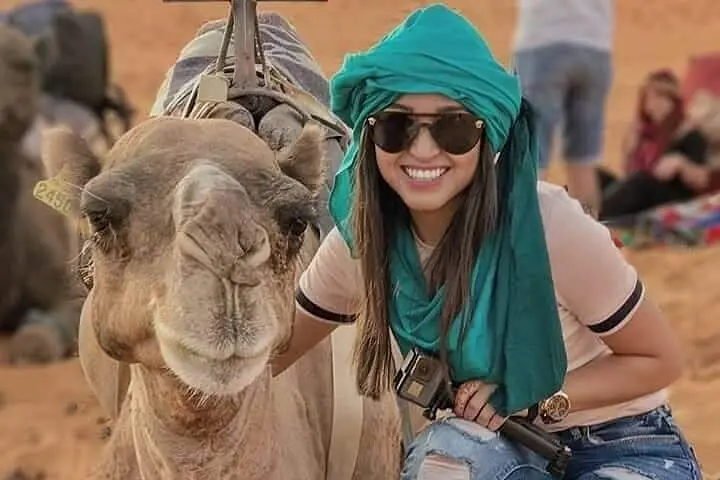
The experience centers on contrasts: mountain air, river-carved orange limestone, and the great silence of the dunes. Nights in a well-appointed desert camp include dinner and a sunrise camel or 4x4 option; daytime can be hot and sunny, while nights are cool.
Practical guidance: carry at least 2–3 liters of water per day, sun protection, and layered clothing for morning chill and evening cold. Time your travel to arrive at the dunes for late-afternoon light and plan comfortable shoes for mixed terrain. Respect local customs—modest dress and asking before photos of people—and follow guides’ safety briefings on camel rides and dune navigation.
Expect long driving legs—Fes to Merzouga is typically 7–9 hours with stops; subsequent days include shorter drives between Merzouga, Todra, Dades and Aït Benhaddou.
Most itineraries include a camel ride to the camp or an option for a 4x4 transfer; check booking details for the specific inclusion.
The advertised camps are luxury or regular desert camps offering private tents, dinner and breakfast; standards vary so confirm tent amenities before travel.
The tour notes it’s physically easy and allows infant seats, but it’s not recommended for pregnant travelers or those with serious cardiovascular issues—consult the operator if unsure.
Merzouga Desert operates guided outdoor trips and adventures with an emphasis on safety, stewardship, and memorable experiences.
The van slides out of Fes before dawn and the atlas foothills fold away into banded plateaus. By midday the cedar forests around Azrou give way to palm-lined oases in the Ziz Valley, and finally the landscape softens into the ochre sweeps of Erg Chebbi where a luxury desert camp waits at the dune’s lip.
The van slides out of Fes before dawn and the atlas foothills fold away into banded plateaus. By midday the cedar forests around Azrou give way to palm-lined oases in the Ziz Valley, and finally the landscape softens into the ochre sweeps of Erg Chebbi where a luxury desert camp waits at the dune’s lip.
This three-day route traces centuries-old caravan corridors: cedar forests that shelter Barbary macaques, river-cut canyons like the Todra Gorge with vertical walls approaching 300 m, and the mud-brick kasbahs of the Dades Valley. Aït Benhaddou, a fortified ksar on the ancient trans-Saharan route, offers an architectural snapshot of pre-modern Saharan trade and has been a backdrop for international films.
Expect long road legs—Fes to Merzouga is roughly 450–480 km and commonly takes 7–9 hours with stops—and short hikes at highlights: canyon walks in Todra, a brief climb onto dunes for sunset, and pathways through palm groves in Dades.
The experience centers on contrasts: mountain air, river-carved orange limestone, and the great silence of the dunes. Nights in a well-appointed desert camp include dinner and a sunrise camel or 4x4 option; daytime can be hot and sunny, while nights are cool.
Practical guidance: carry at least 2–3 liters of water per day, sun protection, and layered clothing for morning chill and evening cold. Time your travel to arrive at the dunes for late-afternoon light and plan comfortable shoes for mixed terrain. Respect local customs—modest dress and asking before photos of people—and follow guides’ safety briefings on camel rides and dune navigation.