THE ADVENTURE COLLECTIVE® · Independent discovery and booking for outdoor travel

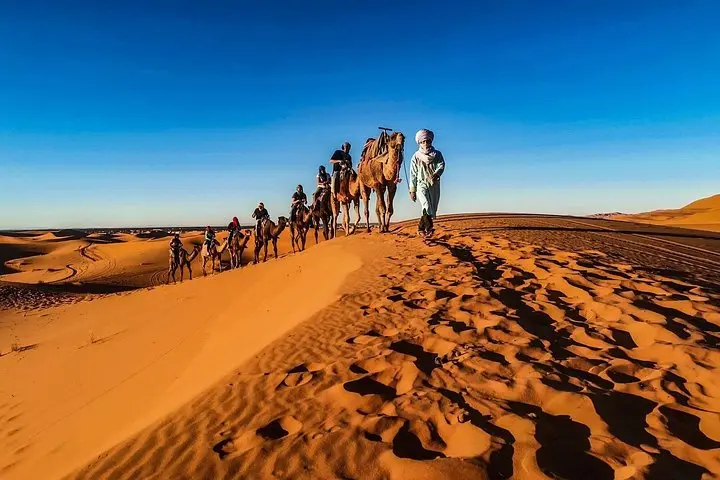
Cross cedar forests, gorges and the towering Erg Chebbi dunes on a three‑day trip from Fez to Marrakech. Expect long drives, a sunset camel ride into a desert camp, and a mix of cultural stops in kasbah towns.
Cross cedar forests, gorges and the towering Erg Chebbi dunes on a three‑day trip from Fez to Marrakech. Expect long drives, a sunset camel ride into a desert camp, and a mix of cultural stops in kasbah towns.
You step out of the air-conditioned van as the dunes rise like a slow ocean; wind arranges the sand into sharp ridges and the sun sharpens every contour. The route from Fez to Marrakech via Merzouga moves through cedar forests, rocky gorges and the ochre kasbahs of southern Morocco, each landscape rewriting the story of the land.
Verified experiences and guided adventures in the surrounding area.
Operated by Sahara Desert Crew · Merzouga, Drâa-Tafilalet
You step out of the air-conditioned van as the dunes rise like a slow ocean; wind arranges the sand into sharp ridges and the sun sharpens every contour. The route from Fez to Marrakech via Merzouga moves through cedar forests, rocky gorges and the ochre kasbahs of southern Morocco, each landscape rewriting the story of the land.
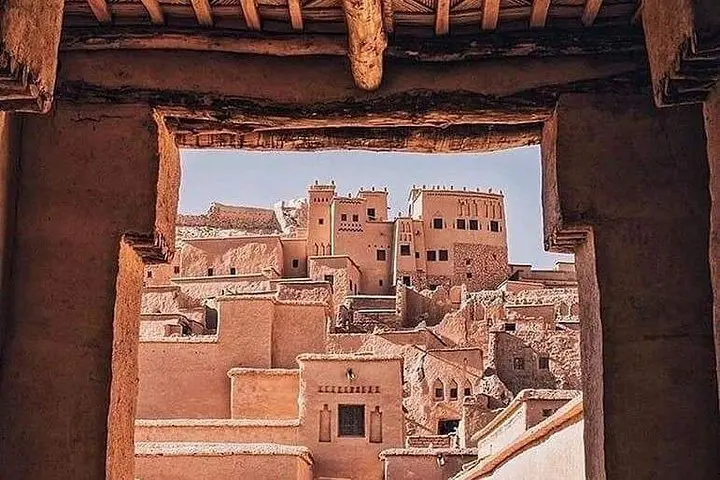
This corridor sits on old trans-Saharan trade arteries — fortified kasbahs and caravan routes still mark the passage of goods and cultures. The High Atlas is folded volcanic and sedimentary rock, while Erg Chebbi’s dunes are recent, wind-built features of Saharan sand. Local life pivots between Berber towns, date palms and nomadic traditions; guides will point out centuries-old adobe architecture and tell straightforward stories of film crews in Ouarzazate.
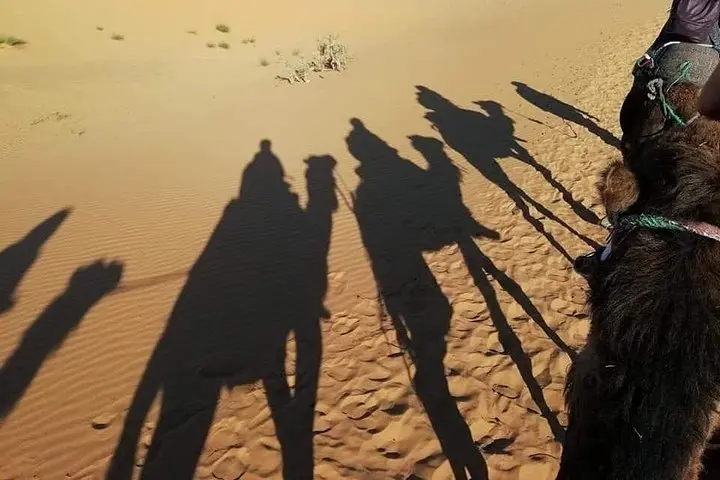
Expect a mix of easy walks, long hours on the road and a twilight camel ride into camp. Nights on the dunes get cold; stars become a conspicuously active presence. You’ll visit cedar woods where Barbary macaques forage, cross limestone gorges with sheer walls, and pause for photos at a classic kasbah.
Practical guidance: pack layered clothing for big diurnal swings, bring 2–3 liters of water per day, and choose a small daypack for canyon walks and market stops. If you prefer, the camel leg can be replaced by a short 4x4 transfer to camp. Typical group sizes are small — expect up to 10 — so book accommodations and any special dietary needs in advance.
No — the itinerary allows guests to reach the desert camp by 4x4 if they prefer not to ride camels.
Expect several hours of driving each day between towns; the trip is designed as point-to-point travel with sightseeing stops en route.
Accommodations range from basic desert camps with shared facilities to more comfortable private tents depending on operator options; check inclusion details before booking.
Typical packages include at least one dinner and breakfast at the desert camp and some hotel breakfasts, but confirm specific meal coverage when you book.
Sahara Desert Crew operates guided outdoor trips and adventures with an emphasis on safety, stewardship, and memorable experiences.
You step out of the air-conditioned van as the dunes rise like a slow ocean; wind arranges the sand into sharp ridges and the sun sharpens every contour. The route from Fez to Marrakech via Merzouga moves through cedar forests, rocky gorges and the ochre kasbahs of southern Morocco, each landscape rewriting the story of the land.
You step out of the air-conditioned van as the dunes rise like a slow ocean; wind arranges the sand into sharp ridges and the sun sharpens every contour. The route from Fez to Marrakech via Merzouga moves through cedar forests, rocky gorges and the ochre kasbahs of southern Morocco, each landscape rewriting the story of the land.
This corridor sits on old trans-Saharan trade arteries — fortified kasbahs and caravan routes still mark the passage of goods and cultures. The High Atlas is folded volcanic and sedimentary rock, while Erg Chebbi’s dunes are recent, wind-built features of Saharan sand. Local life pivots between Berber towns, date palms and nomadic traditions; guides will point out centuries-old adobe architecture and tell straightforward stories of film crews in Ouarzazate.
Expect a mix of easy walks, long hours on the road and a twilight camel ride into camp. Nights on the dunes get cold; stars become a conspicuously active presence. You’ll visit cedar woods where Barbary macaques forage, cross limestone gorges with sheer walls, and pause for photos at a classic kasbah.
Practical guidance: pack layered clothing for big diurnal swings, bring 2–3 liters of water per day, and choose a small daypack for canyon walks and market stops. If you prefer, the camel leg can be replaced by a short 4x4 transfer to camp. Typical group sizes are small — expect up to 10 — so book accommodations and any special dietary needs in advance.