
3-Day Game Drive Safari in Maasai Mara from Nairobi — Migration, Big Five & Lodge Stay
Three days in the Masai Mara combine dawn and dusk game drives, lodge comforts, and a chance to see the Great Migration. This practical guide explains what to expect, how to prepare, and the best times to travel for wildlife sightings.
An Adventure In Nairobi.
Three days in the Masai Mara combine dawn and dusk game drives, lodge comforts, and a chance to see the Great Migration. This practical guide explains what to expect, how to prepare, and the best times to travel for wildlife sightings.
Read the full experience
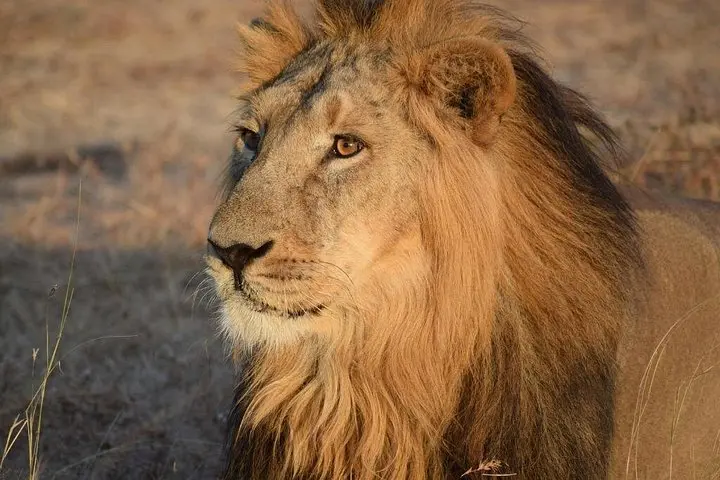
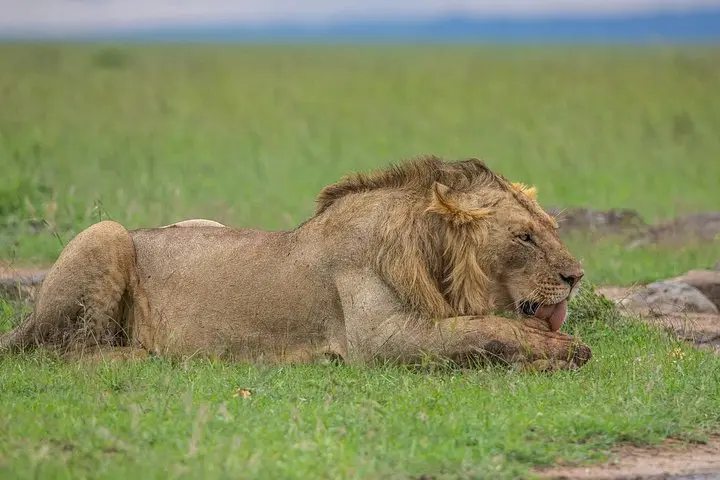
You arrive before dawn, the Land Cruiser crunching over red earth as a low sun lifts over the western escarpment. Grasslands unfurl like a working map; lone acacia trees blunt the skyline. The Mara moves around you — herds grazing, hippos grumbling in distant river bends, and a lion aboard a termite mound watching the road.
You arrive before dawn, the Land Cruiser crunching over red earth as a low sun lifts over the western escarpment. Grasslands unfurl like a working map; lone acacia trees blunt the skyline. The Mara moves around you — herds grazing, hippos grumbling in distant river bends, and a lion aboard a termite mound watching the road.
The Masai Mara sits on the southern edge of the Great Rift Valley. Geologically recent faulting carved the escarpment and created the open plains that concentrate wildlife. Culturally, Maasai communities maintain semi-nomadic traditions here; you’ll often meet local guides who balance conservation with cattle herding. The reserve is world-renowned for the Great Migration (July–November) and consistently high densities of the Big Five.
Practically, this is a driven-safari experience: multiple game drives at golden hour, a full-day circuit across the western plains, and lodge-based evenings with hot meals and briefing sessions. Expect long periods sitting with sudden bursts of activity when trackers call out a sighting. Pack layered clothing for chilly mornings, a camera with a telephoto lens, and binoculars.
Timing matters — dry months concentrate animals and make river crossings visible; wet months bloom birdlife and newborns. Respect distance rules, follow your guide’s directions, and keep noise to a minimum: wildlife responds fast and unpredictably. By the final game drive you’ll understand why the Mara demands patience, rewards attention, and leaves a long memory.
Frequently asked questions
Peak river crossings and high concentrations usually occur between July and November, though timings vary by year and rainfall.
Roughly 5–6 hours by road (about 270–300 km depending on route), with pickups typically from Nairobi hotels early in the morning.
Yes—this tour accommodates children, but infants may be required to sit on laps; check age policies and safety guidelines with the operator.
Yellow fever vaccination may be required if coming from endemic areas; anti-malarial medication and mosquito protection are strongly recommended—consult your doctor before travel.
About This Experience
Toto Tembo Safaris operates guided outdoor trips and adventures with an emphasis on safety, stewardship, and memorable experiences.
Adventure tips
Recommended gear
- Telephoto lens (200–400mm): Critical for close-up wildlife shots from the vehicle without disturbing animals.
- Layered clothing and warm jacket: Mornings and evenings can be cold—layers let you adjust as the day warms.
- Binoculars (8x or 10x): Helps spot distant predators, migrating herds, and birds across the plains.
- Compact daypack with water bottle: Keeps essentials close during daily game drives and transfers—hydration matters in the sun.
Photos of the experience
Related adventures & guides
Read the full experience
You arrive before dawn, the Land Cruiser crunching over red earth as a low sun lifts over the western escarpment. Grasslands unfurl like a working map; lone acacia trees blunt the skyline. The Mara moves around you — herds grazing, hippos grumbling in distant river bends, and a lion aboard a termite mound watching the road.
You arrive before dawn, the Land Cruiser crunching over red earth as a low sun lifts over the western escarpment. Grasslands unfurl like a working map; lone acacia trees blunt the skyline. The Mara moves around you — herds grazing, hippos grumbling in distant river bends, and a lion aboard a termite mound watching the road.
The Masai Mara sits on the southern edge of the Great Rift Valley. Geologically recent faulting carved the escarpment and created the open plains that concentrate wildlife. Culturally, Maasai communities maintain semi-nomadic traditions here; you’ll often meet local guides who balance conservation with cattle herding. The reserve is world-renowned for the Great Migration (July–November) and consistently high densities of the Big Five.
Practically, this is a driven-safari experience: multiple game drives at golden hour, a full-day circuit across the western plains, and lodge-based evenings with hot meals and briefing sessions. Expect long periods sitting with sudden bursts of activity when trackers call out a sighting. Pack layered clothing for chilly mornings, a camera with a telephoto lens, and binoculars.
Timing matters — dry months concentrate animals and make river crossings visible; wet months bloom birdlife and newborns. Respect distance rules, follow your guide’s directions, and keep noise to a minimum: wildlife responds fast and unpredictably. By the final game drive you’ll understand why the Mara demands patience, rewards attention, and leaves a long memory.
Make a day of it nearby.
Verified experiences and guided adventures in the surrounding area.