THE ADVENTURE COLLECTIVE® · Independent discovery and booking for outdoor travel
Cover three thousand years in three days: stand where pharaohs planned eternity at Giza, explore Cairo’s museums, then follow the Mediterranean thread to Alexandria’s citadel and catacombs. This practical guide outlines what to expect—and how to prepare—for a compact, history-rich Egyptian tour.
Cover three thousand years in three days: stand where pharaohs planned eternity at Giza, explore Cairo’s museums, then follow the Mediterranean thread to Alexandria’s citadel and catacombs. This practical guide outlines what to expect—and how to prepare—for a compact, history-rich Egyptian tour.
Stand on the warm limestone of the Giza Plateau and the desert wind immediately rearranges the light across three millennia of stone. The Great Pyramid rises like a geometric challenge; the Sphinx watches the eastern approach while Cairo’s distant hum fades behind you. A few days later, Mediterranean salt and a different sky frame Alexandria’s harbor and the crenellated walls of Qaitbay Citadel.
Verified experiences and guided adventures in the surrounding area.
Operated by Book My Egypt Tours · Giza, Giza Governorate
Stand on the warm limestone of the Giza Plateau and the desert wind immediately rearranges the light across three millennia of stone. The Great Pyramid rises like a geometric challenge; the Sphinx watches the eastern approach while Cairo’s distant hum fades behind you. A few days later, Mediterranean salt and a different sky frame Alexandria’s harbor and the crenellated walls of Qaitbay Citadel.
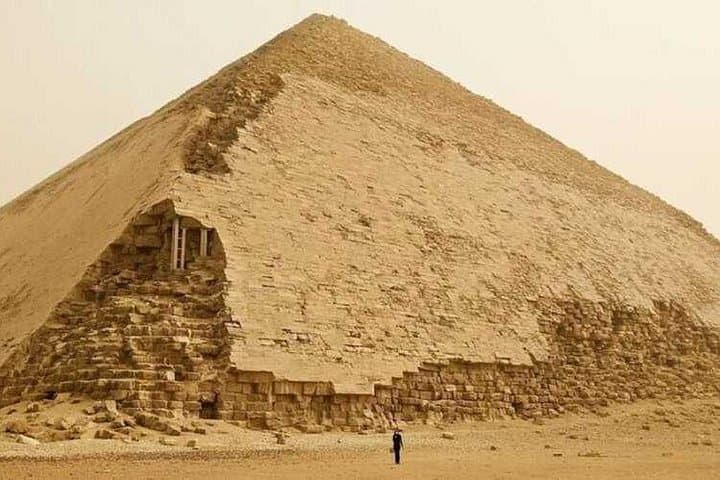
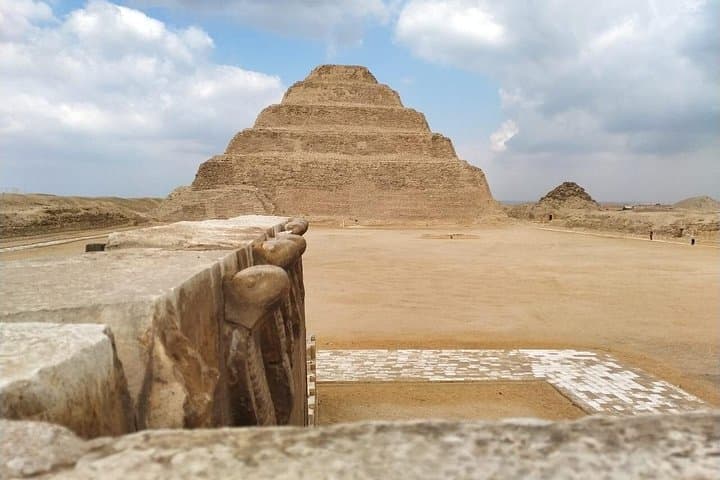
The route links clear chapters of Egyptian history: Old Kingdom funerary engineering at Giza (c. 2560 BCE), the pharaonic collections of the Egyptian Museum, and Alexandria’s layered Greco-Roman and medieval heritage—Roman theaters, the Kom El-Shoqafa catacombs, and the modern Bibliotheca Alexandrina on the site of the ancient library. Geology matters here: the pyramids sit on a nummulitic limestone bench that was quarried and shaped by ancient craftsmen; Alexandria’s coast is younger, carved by Mediterranean currents and human harbor works.
Expect guided walks over uneven stone, short drives (Cairo to Alexandria ≈ 220 km, ~3–4 hours), museum interiors and outdoor forts. Mornings beat the heat and provide cleaner light for photos; afternoons suit a quieter corniche stroll. Entry fees commonly cover basic areas—interior access or special exhibitions often carry separate charges.
Practical edge: wear stable shoes for steep ramps and loose sand, pack a brim hat and refillable water, carry local currency for tips and small purchases, and plan museum visits around opening times (the Bibliotheca can be closed on Fridays for some services). Respect site rules—no climbing on monuments—and use a licensed guide to deepen context and navigate ticket lines.
Some basic-area entrance fees are included but interiors (pyramids, special museum exhibits) or optional sites may require additional tickets—confirm specifics when booking.
Visa requirements vary by nationality; many visitors obtain a visa on arrival or e-visa—check current rules well before travel and ensure your passport meets expiry requirements.
Parts of the Bibliotheca Alexandrina may have limited services or closures on Fridays—you can usually photograph the exterior, but plan interior visits on other days when full access is expected.
Climbing the pyramids is prohibited and enforced; interior entry to some pyramids is limited and may require a separate ticket and time slot.
Book My Egypt Tours operates guided outdoor trips and adventures with an emphasis on safety, stewardship, and memorable experiences.
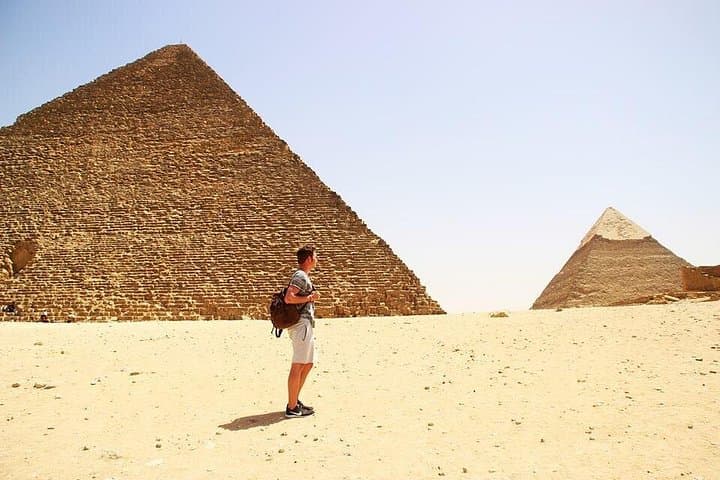
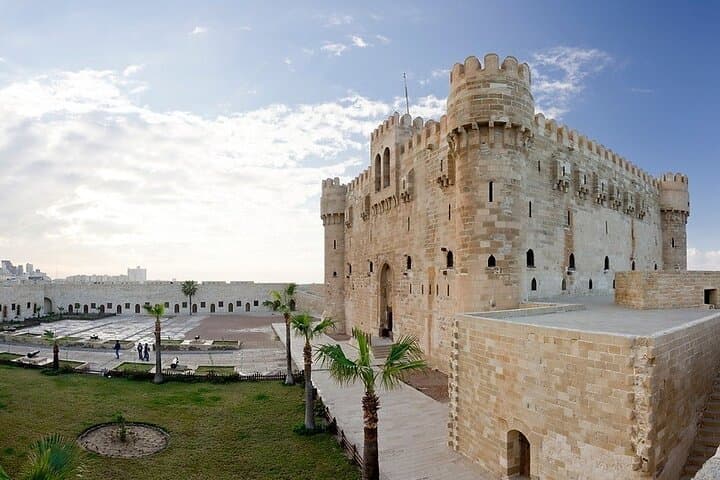
Stand on the warm limestone of the Giza Plateau and the desert wind immediately rearranges the light across three millennia of stone. The Great Pyramid rises like a geometric challenge; the Sphinx watches the eastern approach while Cairo’s distant hum fades behind you. A few days later, Mediterranean salt and a different sky frame Alexandria’s harbor and the crenellated walls of Qaitbay Citadel.
Stand on the warm limestone of the Giza Plateau and the desert wind immediately rearranges the light across three millennia of stone. The Great Pyramid rises like a geometric challenge; the Sphinx watches the eastern approach while Cairo’s distant hum fades behind you. A few days later, Mediterranean salt and a different sky frame Alexandria’s harbor and the crenellated walls of Qaitbay Citadel.
The route links clear chapters of Egyptian history: Old Kingdom funerary engineering at Giza (c. 2560 BCE), the pharaonic collections of the Egyptian Museum, and Alexandria’s layered Greco-Roman and medieval heritage—Roman theaters, the Kom El-Shoqafa catacombs, and the modern Bibliotheca Alexandrina on the site of the ancient library. Geology matters here: the pyramids sit on a nummulitic limestone bench that was quarried and shaped by ancient craftsmen; Alexandria’s coast is younger, carved by Mediterranean currents and human harbor works.
Expect guided walks over uneven stone, short drives (Cairo to Alexandria ≈ 220 km, ~3–4 hours), museum interiors and outdoor forts. Mornings beat the heat and provide cleaner light for photos; afternoons suit a quieter corniche stroll. Entry fees commonly cover basic areas—interior access or special exhibitions often carry separate charges.
Practical edge: wear stable shoes for steep ramps and loose sand, pack a brim hat and refillable water, carry local currency for tips and small purchases, and plan museum visits around opening times (the Bibliotheca can be closed on Fridays for some services). Respect site rules—no climbing on monuments—and use a licensed guide to deepen context and navigate ticket lines.
