THE ADVENTURE COLLECTIVE® · Independent discovery and booking for outdoor travel

Three days condense India’s imperial heart: sunrise at the Taj, Mughal forts in Agra and the royal palaces of Jaipur. This guide outlines what to expect, when to go, and the practical gear and timing that make the most of a compact Golden Triangle run.
Three days condense India’s imperial heart: sunrise at the Taj, Mughal forts in Agra and the royal palaces of Jaipur. This guide outlines what to expect, when to go, and the practical gear and timing that make the most of a compact Golden Triangle run.
You step out of the pre-dawn taxi into a cool river breeze and the silhouette of the Taj Mahal looms ahead — marble catching the first light like a promise. Over three compact days this guided circuit pushes you through India’s imperial pulse: New Delhi’s layered history, Agra’s Mughal perfection at sunrise, and Jaipur’s fortified palaces and colorful bazaars.
Verified experiences and guided adventures in the surrounding area.
Operated by Padma Holidays · New Delhi, Delhi
You step out of the pre-dawn taxi into a cool river breeze and the silhouette of the Taj Mahal looms ahead — marble catching the first light like a promise. Over three compact days this guided circuit pushes you through India’s imperial pulse: New Delhi’s layered history, Agra’s Mughal perfection at sunrise, and Jaipur’s fortified palaces and colorful bazaars.
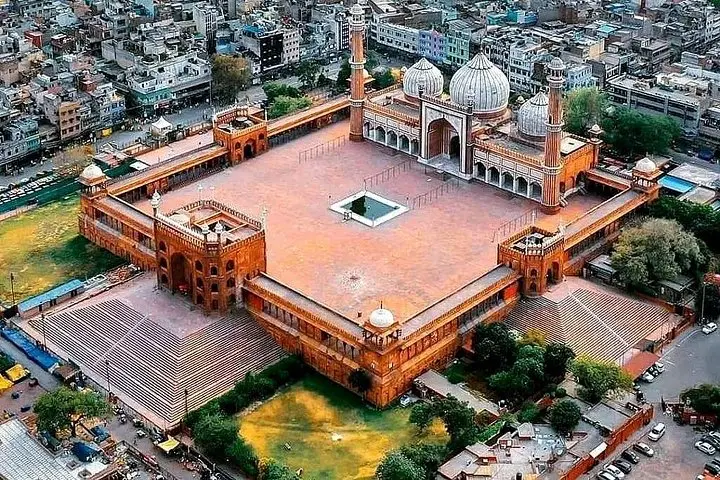
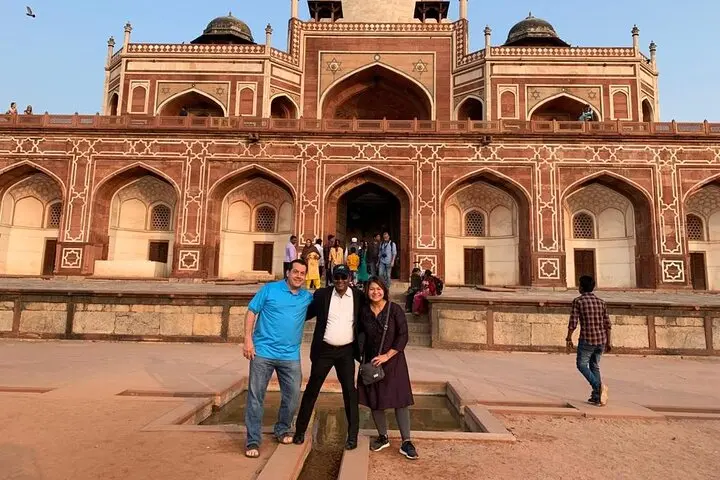
The itinerary threads Mughal-era monuments and Rajput artistry. Delhi’s Humayun’s Tomb and Qutub Minar show the fusion of Persian and Indian stonework; Agra’s forts and Itmad-ud-Daulah map the design lineage that culminates in the Taj. Jaipur’s Amber Fort, Hawa Mahal and Jantar Mantar reveal Rajput court life and early scientific ambition. Geologically the route moves across the Indo-Gangetic plain — flat alluvium that made these cities easy to supply and fortify.
Expect full days with long transfers (3–5 hour drives between cities), guided walks through monuments, and short stops at markets and stepwells. Mornings are best for photography and cooler air; afternoons bring heat and crowded sites. Local guides add context on artisans, courtly rituals and the urban evolution from Mughal capital to modern metropolis.
Practical guidance: bring a photocopy of your passport, comfortable walking shoes, sun protection and a refillable water bottle. Plan early flights and allow buffer time for traffic. Respect dress norms at religious sites and arrive early at the Taj for sunrise access and softer light. This is cultural touring with brisk pacing — rewarding, direct and rich in built heritage.
The listed tour options note that return flights (Bengaluru–Delhi–Bengaluru) are included when you select the package with flights; verify your booking confirmation for flight details.
The Taj is closed for general visitors on Fridays for prayers; plan your itinerary accordingly to ensure a sunrise visit on another day.
Most nationalities require an e‑Visa or visa on arrival depending on their country; check India’s official visa portal well before travel and carry passport pages requested during booking.
The tour is family-friendly but involves stairs and long transfers; travelers with mobility constraints or infants should flag needs during booking to arrange appropriate support.
Padma Holidays operates guided outdoor trips and adventures with an emphasis on safety, stewardship, and memorable experiences.

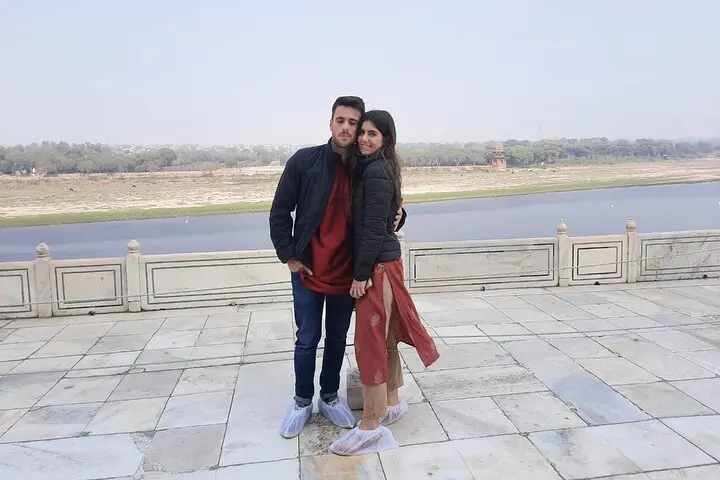
You step out of the pre-dawn taxi into a cool river breeze and the silhouette of the Taj Mahal looms ahead — marble catching the first light like a promise. Over three compact days this guided circuit pushes you through India’s imperial pulse: New Delhi’s layered history, Agra’s Mughal perfection at sunrise, and Jaipur’s fortified palaces and colorful bazaars.
You step out of the pre-dawn taxi into a cool river breeze and the silhouette of the Taj Mahal looms ahead — marble catching the first light like a promise. Over three compact days this guided circuit pushes you through India’s imperial pulse: New Delhi’s layered history, Agra’s Mughal perfection at sunrise, and Jaipur’s fortified palaces and colorful bazaars.
The itinerary threads Mughal-era monuments and Rajput artistry. Delhi’s Humayun’s Tomb and Qutub Minar show the fusion of Persian and Indian stonework; Agra’s forts and Itmad-ud-Daulah map the design lineage that culminates in the Taj. Jaipur’s Amber Fort, Hawa Mahal and Jantar Mantar reveal Rajput court life and early scientific ambition. Geologically the route moves across the Indo-Gangetic plain — flat alluvium that made these cities easy to supply and fortify.
Expect full days with long transfers (3–5 hour drives between cities), guided walks through monuments, and short stops at markets and stepwells. Mornings are best for photography and cooler air; afternoons bring heat and crowded sites. Local guides add context on artisans, courtly rituals and the urban evolution from Mughal capital to modern metropolis.
Practical guidance: bring a photocopy of your passport, comfortable walking shoes, sun protection and a refillable water bottle. Plan early flights and allow buffer time for traffic. Respect dress norms at religious sites and arrive early at the Taj for sunrise access and softer light. This is cultural touring with brisk pacing — rewarding, direct and rich in built heritage.