THE ADVENTURE COLLECTIVE® · Independent discovery and booking for outdoor travel

A fast-paced, 3-day itinerary that threads Delhi, Agra and Jaipur into a compact cultural circuit—ideal for travelers flying from Pune who want monument highlights without the guesswork. Expect sunrise at the Taj, hilltop forts in Jaipur, and guided history in Delhi.
A fast-paced, 3-day itinerary that threads Delhi, Agra and Jaipur into a compact cultural circuit—ideal for travelers flying from Pune who want monument highlights without the guesswork. Expect sunrise at the Taj, hilltop forts in Jaipur, and guided history in Delhi.
You step off the morning flight into Delhi and are immediately met by a city that hustles and bends history into its streets—mughal domes and British boulevards brushing shoulders with busy bazaars. The driver eases the vehicle onto the outskirts and, within hours, you’re tracing stonework older than the nation itself.
Verified experiences and guided adventures in the surrounding area.
Operated by Padma Holidays · New Delhi, Delhi
You step off the morning flight into Delhi and are immediately met by a city that hustles and bends history into its streets—mughal domes and British boulevards brushing shoulders with busy bazaars. The driver eases the vehicle onto the outskirts and, within hours, you’re tracing stonework older than the nation itself.
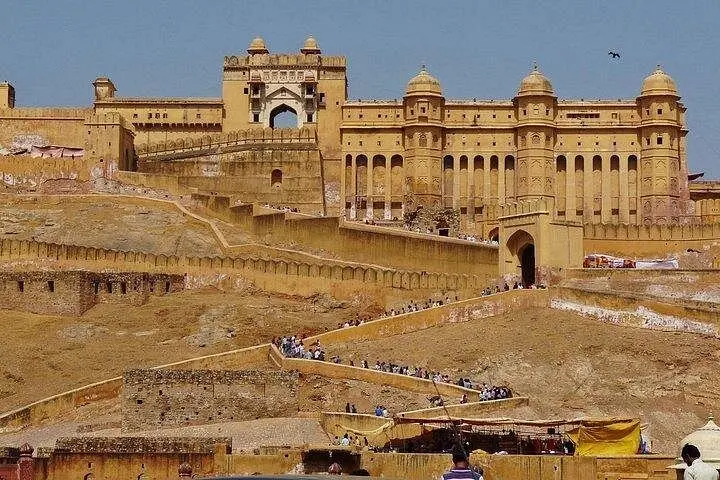
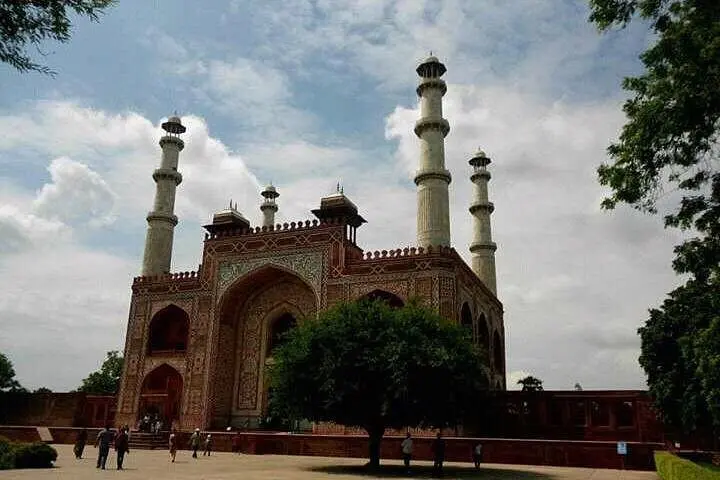
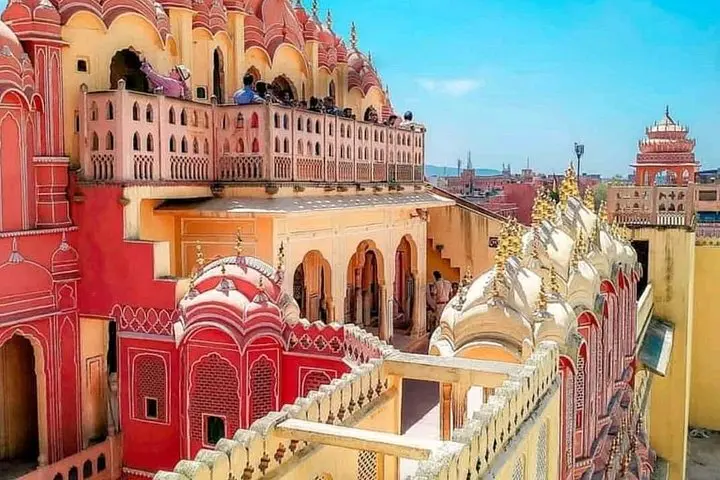
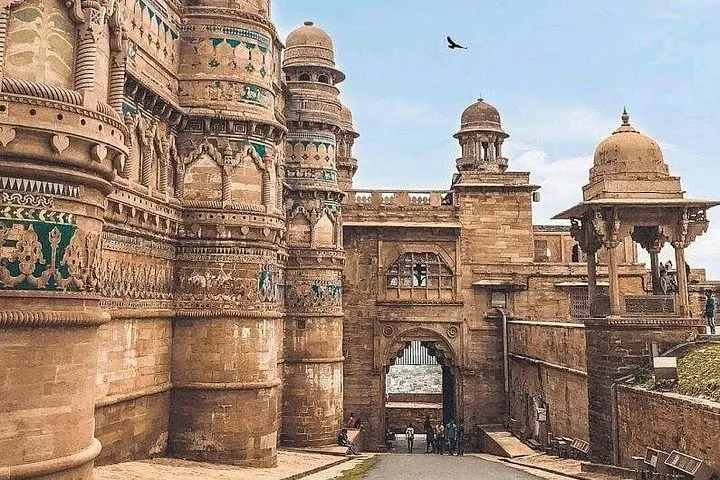
Over three days the route threads through layered history. In Delhi, Humayun’s Tomb and Qutub Minar mark early Mughal ambition beside British-era vistas like Rashtrapati Bhavan. Agra sits on the Yamuna’s floodplain; the Taj Mahal’s white marble catches morning light while the Agra Fort’s sandstone walls recall courtly power. Jaipur climbs from the surrounding plains to the foothills of the Aravallis—Amber Fort’s ramparts and Hawa Mahal’s latticed windows speak to Rajput pageantry and urban planning by Maharaja Sawai Jai Singh II.
Culturally, expect market cries, spice aromas, and artisans selling marble in Agra and textiles in Jaipur. Geologically, the Ganges plain’s alluvial soils contrast with the ancient Aravalli ridges that frame Jaipur.
Practical guidance: travel light for two long road transfers (4–5 hours each), carry a refillable water bottle, and wear comfortable walking shoes for uneven courtyards and steps. Plan early starts—Taj at sunrise avoids crowds and heat. Keep passport and printed tickets handy for monument entry. Dress respectfully at religious sites and factor in security checks; guided entry often skips long queues. Winters (Nov–Feb) offer the most comfortable sightseeing; summers can be very hot—schedule indoor museum visits midday.
Round-trip flight tickets are included only with the full tour option—confirm at booking; otherwise arrange your own Pune–Delhi flights.
Monument entry fees are provided with the tour option and guide-assisted access typically skips the longest lines.
This private tour can often be adapted—inform the operator of mobility limitations during booking to arrange easier access and reduced walking.
Most foreign nationals require a valid Indian tourist visa obtained before travel; check current government requirements for your nationality.
Padma Holidays operates guided outdoor trips and adventures with an emphasis on safety, stewardship, and memorable experiences.
You step off the morning flight into Delhi and are immediately met by a city that hustles and bends history into its streets—mughal domes and British boulevards brushing shoulders with busy bazaars. The driver eases the vehicle onto the outskirts and, within hours, you’re tracing stonework older than the nation itself.
You step off the morning flight into Delhi and are immediately met by a city that hustles and bends history into its streets—mughal domes and British boulevards brushing shoulders with busy bazaars. The driver eases the vehicle onto the outskirts and, within hours, you’re tracing stonework older than the nation itself.
Over three days the route threads through layered history. In Delhi, Humayun’s Tomb and Qutub Minar mark early Mughal ambition beside British-era vistas like Rashtrapati Bhavan. Agra sits on the Yamuna’s floodplain; the Taj Mahal’s white marble catches morning light while the Agra Fort’s sandstone walls recall courtly power. Jaipur climbs from the surrounding plains to the foothills of the Aravallis—Amber Fort’s ramparts and Hawa Mahal’s latticed windows speak to Rajput pageantry and urban planning by Maharaja Sawai Jai Singh II.
Culturally, expect market cries, spice aromas, and artisans selling marble in Agra and textiles in Jaipur. Geologically, the Ganges plain’s alluvial soils contrast with the ancient Aravalli ridges that frame Jaipur.
Practical guidance: travel light for two long road transfers (4–5 hours each), carry a refillable water bottle, and wear comfortable walking shoes for uneven courtyards and steps. Plan early starts—Taj at sunrise avoids crowds and heat. Keep passport and printed tickets handy for monument entry. Dress respectfully at religious sites and factor in security checks; guided entry often skips long queues. Winters (Nov–Feb) offer the most comfortable sightseeing; summers can be very hot—schedule indoor museum visits midday.