THE ADVENTURE COLLECTIVE® · Independent discovery and booking for outdoor travel

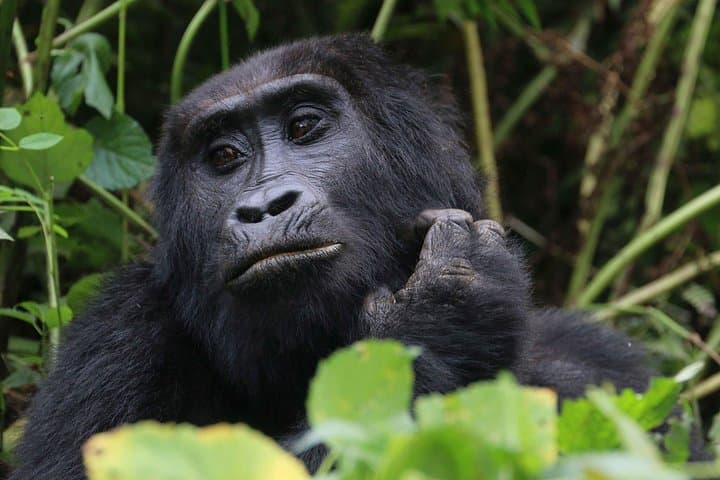
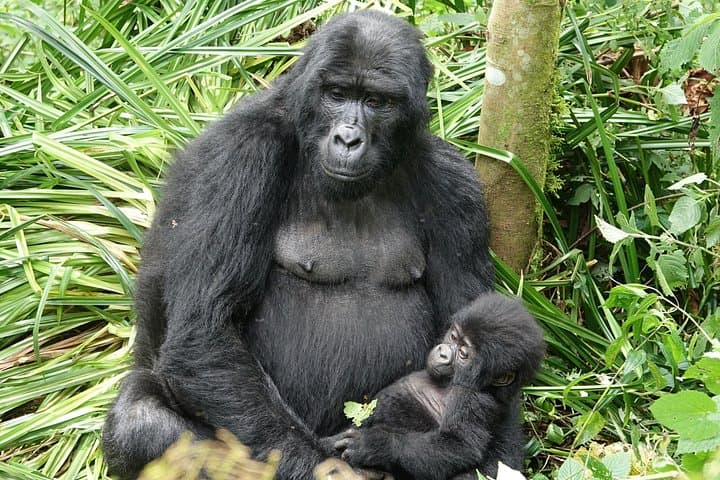
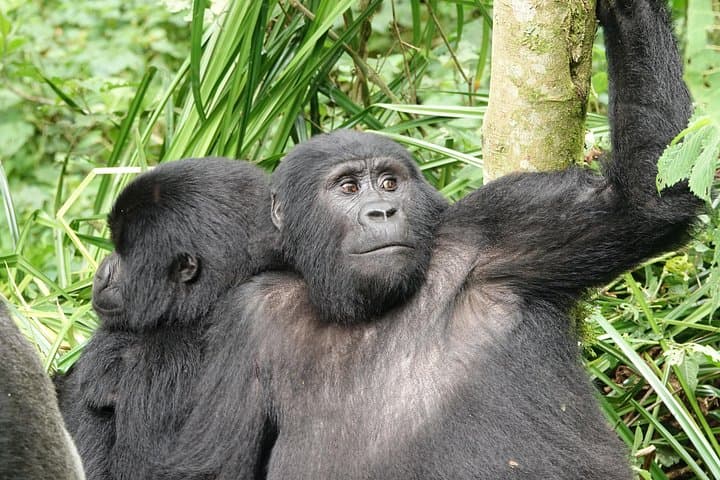
Move from misted farmland into steamy montane forest on a three-day journey to Bwindi, where trained rangers lead you to face-to-face encounters with mountain gorillas. Plan for steep, muddy trails, a required permit, and a one-hour guided viewing that balances awe with conservation.
Move from misted farmland into steamy montane forest on a three-day journey to Bwindi, where trained rangers lead you to face-to-face encounters with mountain gorillas. Plan for steep, muddy trails, a required permit, and a one-hour guided viewing that balances awe with conservation.
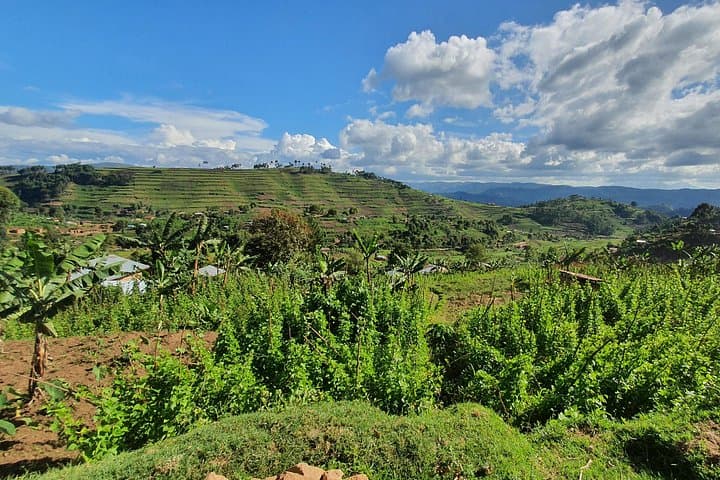
The trail begins before dawn, the van rolling off the tarmac into a patchwork of banana farms and misted hills. By midmorning the air tightens—thick, humid, green—trees close ranks and the world simplifies to the hush of understory and the wet, loamy scent of decomposing leaves. Your ranger moves with purpose, reading broken stems and flattened leaf beds like a detective; somewhere ahead the forest is holding a family of mountain gorillas.
Verified experiences and guided adventures in the surrounding area.
Operated by Big 5 Africa Tours · Buhoma, Kanungu District
The trail begins before dawn, the van rolling off the tarmac into a patchwork of banana farms and misted hills. By midmorning the air tightens—thick, humid, green—trees close ranks and the world simplifies to the hush of understory and the wet, loamy scent of decomposing leaves. Your ranger moves with purpose, reading broken stems and flattened leaf beds like a detective; somewhere ahead the forest is holding a family of mountain gorillas.
Bwindi Impenetrable National Park is ancient montane rainforest carved from volcanic and metamorphic substrate and recognized as a UNESCO World Heritage Site in 1994 for its biodiversity and endemic species. The area is culturally rich: local Bakiga and Batwa communities have lived alongside these forests for generations, and community-based tourism now supports livelihoods and conservation.
Expect steep, often muddy slopes, tangles of bamboo and creepers, and sudden clearings where silverbacks lounge and juveniles clamber. Tracking can last from under an hour to most of a day; once you locate a group, the viewing limit is one hour under ranger rules to reduce stress on the animals. Photography is allowed but avoid flash and close approaches.
Practical notes: book permits well in advance, carry stout waterproof boots, gaiters and a lightweight rain shell, and pack snacks, water, and insect repellent. Moderately fit hikers will fare best—rangers assist on slippery sections and porters can be hired locally. Travel times from Entebbe or Kampala are long; plan buffer days for travel and acclimatization. This is intimate wildlife viewing—raw, physical, and unforgettable when the forest finally parts and a gorilla meets your eyes.
Tracking can be as short as under an hour if gorillas are nearby or several hours if rangers must follow fresh signs; plan for variable trekking time and wear appropriate footwear.
Permits are usually booked separately through park authorities or tour operators—confirm with your operator whether a permit is included in the package.
Photography is allowed but flash is prohibited and rangers will set a safe viewing distance; avoid sudden movements and direct eye contact that may stress the animals.
Tracking is physically demanding and not recommended for very young children, pregnant travelers, or those with significant back or heart problems; check specific park regulations and consult with guides.
Big 5 Africa Tours operates guided outdoor trips and adventures with an emphasis on safety, stewardship, and memorable experiences.
The trail begins before dawn, the van rolling off the tarmac into a patchwork of banana farms and misted hills. By midmorning the air tightens—thick, humid, green—trees close ranks and the world simplifies to the hush of understory and the wet, loamy scent of decomposing leaves. Your ranger moves with purpose, reading broken stems and flattened leaf beds like a detective; somewhere ahead the forest is holding a family of mountain gorillas.
The trail begins before dawn, the van rolling off the tarmac into a patchwork of banana farms and misted hills. By midmorning the air tightens—thick, humid, green—trees close ranks and the world simplifies to the hush of understory and the wet, loamy scent of decomposing leaves. Your ranger moves with purpose, reading broken stems and flattened leaf beds like a detective; somewhere ahead the forest is holding a family of mountain gorillas.
Bwindi Impenetrable National Park is ancient montane rainforest carved from volcanic and metamorphic substrate and recognized as a UNESCO World Heritage Site in 1994 for its biodiversity and endemic species. The area is culturally rich: local Bakiga and Batwa communities have lived alongside these forests for generations, and community-based tourism now supports livelihoods and conservation.
Expect steep, often muddy slopes, tangles of bamboo and creepers, and sudden clearings where silverbacks lounge and juveniles clamber. Tracking can last from under an hour to most of a day; once you locate a group, the viewing limit is one hour under ranger rules to reduce stress on the animals. Photography is allowed but avoid flash and close approaches.
Practical notes: book permits well in advance, carry stout waterproof boots, gaiters and a lightweight rain shell, and pack snacks, water, and insect repellent. Moderately fit hikers will fare best—rangers assist on slippery sections and porters can be hired locally. Travel times from Entebbe or Kampala are long; plan buffer days for travel and acclimatization. This is intimate wildlife viewing—raw, physical, and unforgettable when the forest finally parts and a gorilla meets your eyes.