THE ADVENTURE COLLECTIVE® · Independent discovery and booking for outdoor travel

A three-day road transfer from Kampala delivers you to Bwindi Impenetrable National Park for an up-close, ranger-guided gorilla trek. Expect steep, often muddy forest trails, a one-hour viewing permit, and the chance to observe mountain gorillas in their natural habitat.
A three-day road transfer from Kampala delivers you to Bwindi Impenetrable National Park for an up-close, ranger-guided gorilla trek. Expect steep, often muddy forest trails, a one-hour viewing permit, and the chance to observe mountain gorillas in their natural habitat.
Dawn breaks over rolling tea slopes as the minivan leaves Kampala; the road winds through cattle-dotted hills and small market towns until the forest rise of Bwindi presses close. By evening you arrive at a modest lodge on the park’s edge, where rain-dark soil and thick vines hint at the dense habitat inside. The next morning, rangers brief the group, and you step onto narrow trails that breathe and move—vines tugging at sleeves, mist daring you deeper.
Verified experiences and guided adventures in the surrounding area.
Operated by Staywild Safaris · Buhoma, Kanungu District
Dawn breaks over rolling tea slopes as the minivan leaves Kampala; the road winds through cattle-dotted hills and small market towns until the forest rise of Bwindi presses close. By evening you arrive at a modest lodge on the park’s edge, where rain-dark soil and thick vines hint at the dense habitat inside. The next morning, rangers brief the group, and you step onto narrow trails that breathe and move—vines tugging at sleeves, mist daring you deeper.
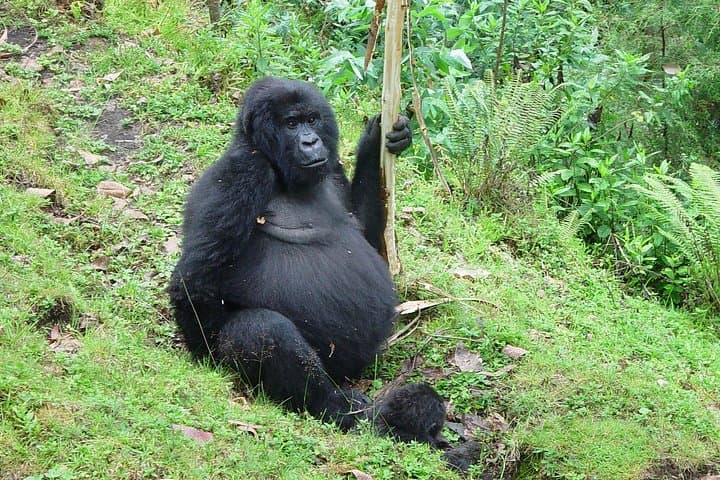
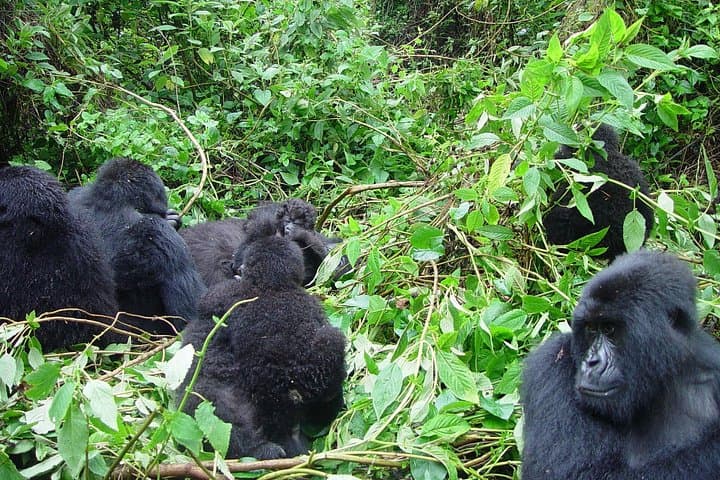
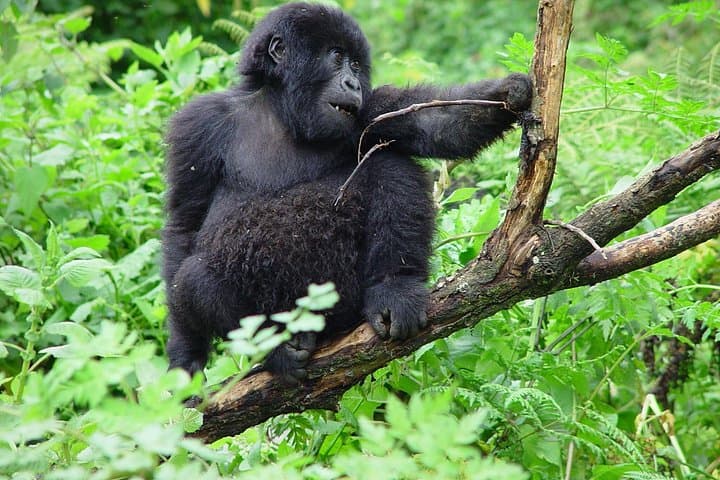
Bwindi Impenetrable National Park is a geologically ancient rainforest carved by uplifted ridges and deep valleys, home to more than half of the world’s remaining mountain gorillas. Cultural ties run through surrounding communities—Bakiga and Batwa people whose histories and land-use practices shape the park’s perimeter. Birdsong and forest-floor insects create a steady percussion while the gorillas themselves, arboreal and grounded, live in family groups that researchers have tracked for decades.
Expect steep, slippery terrain and variable weather; encounters can take anywhere from one hour to several, depending on gorilla movements. Your permit gives one hour with a group, led and monitored by Uganda Wildlife Authority rangers who manage viewing distance and duration to minimize stress on the animals.
Practical guidance: bring waterproof layers, sturdy boots, and a full water bottle; use sun protection for transfers. Plan for long road travel from Kampala (8–10 hours) and permit booking well in advance—gorilla permits are limited. Respect ranger instructions, minimize noise, and keep movements slow; the forest rewards patience with unforgettable close-up behavior—feeding, play, and quiet social grooming.
Trek time varies—searching for gorillas can take from one hour to several; once located you have one hour of observation with the group.
Yes—visitors must buy a gorilla permit issued by Uganda Wildlife Authority; costs and availability change seasonally, so purchase in advance through authorized agents.
Gorilla trekking can be physically demanding with steep and muddy trails; it’s not recommended for very young children or people with serious mobility or spinal issues.
Vaccinations like yellow fever are commonly advised for travel to Uganda; consult a travel clinic for up-to-date recommendations and carry any required documentation.
Staywild Safaris operates guided outdoor trips and adventures with an emphasis on safety, stewardship, and memorable experiences.
Dawn breaks over rolling tea slopes as the minivan leaves Kampala; the road winds through cattle-dotted hills and small market towns until the forest rise of Bwindi presses close. By evening you arrive at a modest lodge on the park’s edge, where rain-dark soil and thick vines hint at the dense habitat inside. The next morning, rangers brief the group, and you step onto narrow trails that breathe and move—vines tugging at sleeves, mist daring you deeper.
Dawn breaks over rolling tea slopes as the minivan leaves Kampala; the road winds through cattle-dotted hills and small market towns until the forest rise of Bwindi presses close. By evening you arrive at a modest lodge on the park’s edge, where rain-dark soil and thick vines hint at the dense habitat inside. The next morning, rangers brief the group, and you step onto narrow trails that breathe and move—vines tugging at sleeves, mist daring you deeper.
Bwindi Impenetrable National Park is a geologically ancient rainforest carved by uplifted ridges and deep valleys, home to more than half of the world’s remaining mountain gorillas. Cultural ties run through surrounding communities—Bakiga and Batwa people whose histories and land-use practices shape the park’s perimeter. Birdsong and forest-floor insects create a steady percussion while the gorillas themselves, arboreal and grounded, live in family groups that researchers have tracked for decades.
Expect steep, slippery terrain and variable weather; encounters can take anywhere from one hour to several, depending on gorilla movements. Your permit gives one hour with a group, led and monitored by Uganda Wildlife Authority rangers who manage viewing distance and duration to minimize stress on the animals.
Practical guidance: bring waterproof layers, sturdy boots, and a full water bottle; use sun protection for transfers. Plan for long road travel from Kampala (8–10 hours) and permit booking well in advance—gorilla permits are limited. Respect ranger instructions, minimize noise, and keep movements slow; the forest rewards patience with unforgettable close-up behavior—feeding, play, and quiet social grooming.