THE ADVENTURE COLLECTIVE® · Independent discovery and booking for outdoor travel

A three-day crossing from Kigali into Uganda’s Bwindi Impenetrable National Park delivers a close, regulated encounter with habituated mountain gorillas. Expect steep, muddy trails, a 7 a.m. briefing, and one hour with a chosen gorilla family.
A three-day crossing from Kigali into Uganda’s Bwindi Impenetrable National Park delivers a close, regulated encounter with habituated mountain gorillas. Expect steep, muddy trails, a 7 a.m. briefing, and one hour with a chosen gorilla family.
Dawn on the tarmac outside Kigali feels cool and decisive as the minivan slides north toward the Virungas. Hills sharpen into ridgelines, terraces and villages blur past, and by mid-afternoon the rainforest of Bwindi presses in—dark, dripping, immediate. The forest smells of wet earth and green growth; vines reach like slow hands and shafts of light cut through the canopy.
Verified experiences and guided adventures in the surrounding area.
Operated by Journey Africa Wild · Bwindi (Buhoma), Kanungu District
Dawn on the tarmac outside Kigali feels cool and decisive as the minivan slides north toward the Virungas. Hills sharpen into ridgelines, terraces and villages blur past, and by mid-afternoon the rainforest of Bwindi presses in—dark, dripping, immediate. The forest smells of wet earth and green growth; vines reach like slow hands and shafts of light cut through the canopy.
Bwindi Impenetrable National Park sits on volcanic soil at roughly 1,160–2,600 m elevation. Its tangled valleys were shaped by tectonic uplift and long rains, creating steep, moss-covered slopes and a jumble of ridges. The region is home to Batwa cultural heritage—forest people whose knowledge of medicinal plants and hunting techniques predates colonial maps—and the living conservation story of habituated mountain gorilla families protected by strict park management and community tourism.
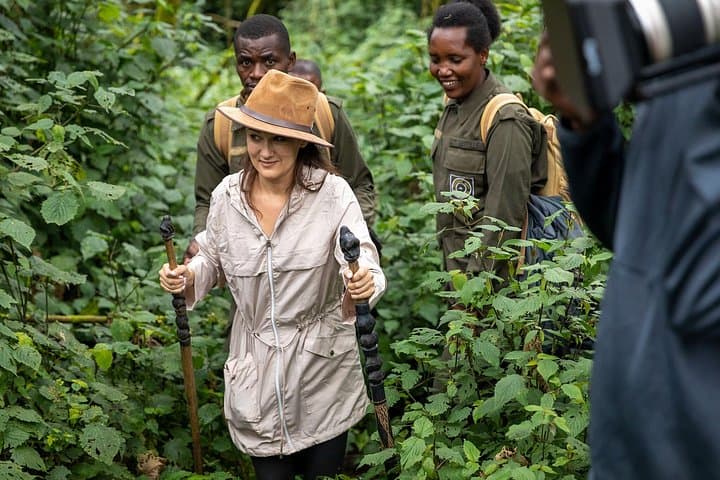
Practical guidance: the trek begins with a 7 a.m. briefing and can last from 2 to 8 hours of walking over steep, muddy trails; expect 300–600 m cumulative elevation gain on a typical day. Parks issue permits and limit viewing to one hour per group; bring a lightweight rain jacket, sturdy waterproof boots, and consider hiring a porter to ease steep sections. Porters know the shortcuts and read the terrain.
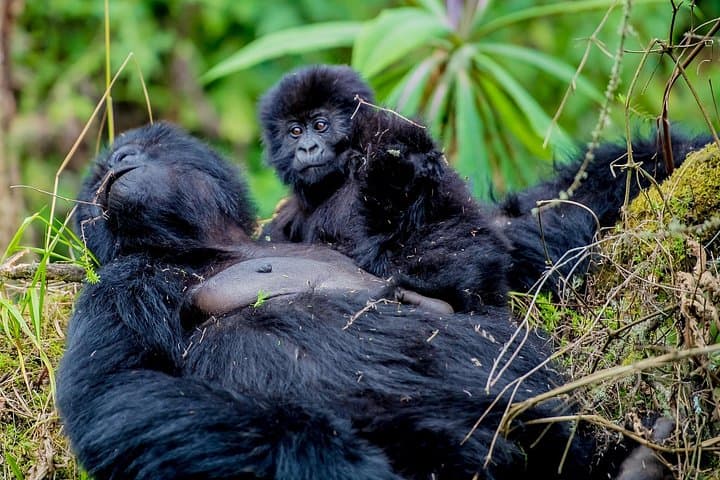
Timing matters—treks are best in the morning to avoid afternoon storms, and a daypack with water, snacks, insect repellent, and a power bank keeps you comfortable. Respect the wildlife rules: stay downwind of gorillas, keep distance unless approached, and follow the guide’s instructions. When a silverback pauses and looks up, the forest seems to hold its breath—this is why travelers make the long drive from Kigali.
Yes—gorilla permits are required in advance; the tour package typically includes the permit and park briefing details.
Visitors are granted one hour with a habituated gorilla family after the park briefing and trek.
Porters are available locally for hire on the day of the trek and are paid directly—prices vary, so bring cash and tip appropriately.
Cameras are permitted but flash is prohibited; keep voices low and avoid sudden movements as guided by park staff.
Journey Africa Wild operates guided outdoor trips and adventures with an emphasis on safety, stewardship, and memorable experiences.

Dawn on the tarmac outside Kigali feels cool and decisive as the minivan slides north toward the Virungas. Hills sharpen into ridgelines, terraces and villages blur past, and by mid-afternoon the rainforest of Bwindi presses in—dark, dripping, immediate. The forest smells of wet earth and green growth; vines reach like slow hands and shafts of light cut through the canopy.
Dawn on the tarmac outside Kigali feels cool and decisive as the minivan slides north toward the Virungas. Hills sharpen into ridgelines, terraces and villages blur past, and by mid-afternoon the rainforest of Bwindi presses in—dark, dripping, immediate. The forest smells of wet earth and green growth; vines reach like slow hands and shafts of light cut through the canopy.
Bwindi Impenetrable National Park sits on volcanic soil at roughly 1,160–2,600 m elevation. Its tangled valleys were shaped by tectonic uplift and long rains, creating steep, moss-covered slopes and a jumble of ridges. The region is home to Batwa cultural heritage—forest people whose knowledge of medicinal plants and hunting techniques predates colonial maps—and the living conservation story of habituated mountain gorilla families protected by strict park management and community tourism.
Practical guidance: the trek begins with a 7 a.m. briefing and can last from 2 to 8 hours of walking over steep, muddy trails; expect 300–600 m cumulative elevation gain on a typical day. Parks issue permits and limit viewing to one hour per group; bring a lightweight rain jacket, sturdy waterproof boots, and consider hiring a porter to ease steep sections. Porters know the shortcuts and read the terrain.
Timing matters—treks are best in the morning to avoid afternoon storms, and a daypack with water, snacks, insect repellent, and a power bank keeps you comfortable. Respect the wildlife rules: stay downwind of gorillas, keep distance unless approached, and follow the guide’s instructions. When a silverback pauses and looks up, the forest seems to hold its breath—this is why travelers make the long drive from Kigali.