THE ADVENTURE COLLECTIVE® · Independent discovery and booking for outdoor travel

Spend three days tracking mountain gorillas in Bwindi Impenetrable National Park, combining long scenic transfers from Kampala with intense jungle hikes and a one-hour gorilla viewing. Expect muddy trails, steep slopes, and a powerful wildlife encounter—permits and good fitness required.
Spend three days tracking mountain gorillas in Bwindi Impenetrable National Park, combining long scenic transfers from Kampala with intense jungle hikes and a one-hour gorilla viewing. Expect muddy trails, steep slopes, and a powerful wildlife encounter—permits and good fitness required.
A damp morning light filters through the canopy as a ranger-led group steps off the trail and into the Bwindi Impenetrable Forest. The path narrows, vines tug at sleeves and the forest seems to lean in, guiding you toward a family of mountain gorillas. Eyes meet, breath slows, and the scale of the place—old growth stumps, moss-draped lianas, and the distant silhouette of the Virunga volcanoes—becomes immediate.
Verified experiences and guided adventures in the surrounding area.
Operated by Gorilla Safaris Uganda · Kisoro, Kanungu District
A damp morning light filters through the canopy as a ranger-led group steps off the trail and into the Bwindi Impenetrable Forest. The path narrows, vines tug at sleeves and the forest seems to lean in, guiding you toward a family of mountain gorillas. Eyes meet, breath slows, and the scale of the place—old growth stumps, moss-draped lianas, and the distant silhouette of the Virunga volcanoes—becomes immediate.
Bwindi was gazetted as a national park in 1991 and protects nearly half of the world's remaining mountain gorillas. The forest sits on ancient, weathered soils carved by tectonic activity around the Albertine Rift; its steep ridges and deep valleys create microhabitats that support more than 350 bird species and a diversity of primates.
Local Kigezi culture, smallholder banana plantations and patched stone houses spill into the park perimeter; community visits after tracking offer a glimpse into lives shaped by conservation and tourism. Expect variable conditions—the jungle can be muddy, humid and physically demanding—and spending up to an hour observing habituated gorilla groups when they are found.
Practical guidance: plan for a long road transfer from Kampala or Entebbe (8–10 hours), buy trekking permits well in advance, and build flexibility into your schedule—treks are unpredictable and can last 2–8 hours. Wear waterproof boots, durable long sleeves, and bring water, snacks, and hand sanitizer. Follow ranger instructions: limit viewing time, maintain distance, and never feed or touch wildlife. With appropriate preparation, a three-day Bwindi package delivers one of East Africa’s most raw and unforgettable wildlife encounters.
Yes—every gorilla trek requires a UWA permit (limited daily numbers). Book permits well in advance through an authorized operator or Uganda Wildlife Authority channels.
You should be in good physical condition; treks can be several hours over steep, muddy terrain. A shorter or easier trek is possible in closer sectors but cannot be guaranteed.
Packages commonly include hotel pickup and drop-off, two nights’ accommodation, meals, guiding and tracking services, and bottled water—confirm exact inclusions with the operator.
Minimum age is typically 15; gorilla trekking is not recommended for pregnant travelers or those with significant cardiovascular or spinal issues. Disclose health information at booking.
Gorilla Safaris Uganda operates guided outdoor trips and adventures with an emphasis on safety, stewardship, and memorable experiences.
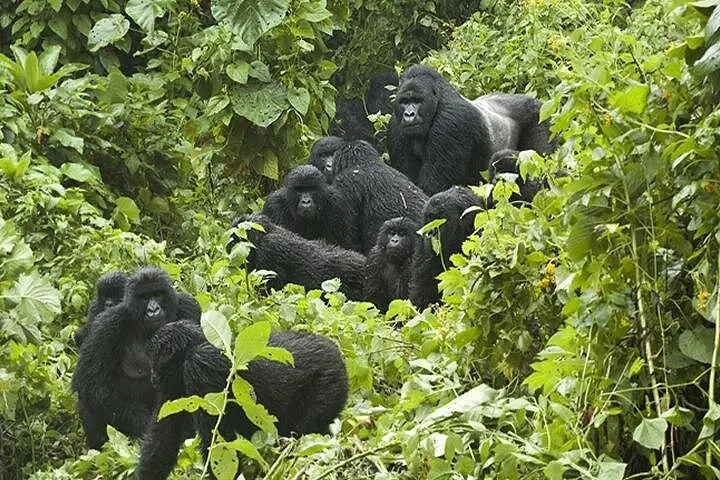
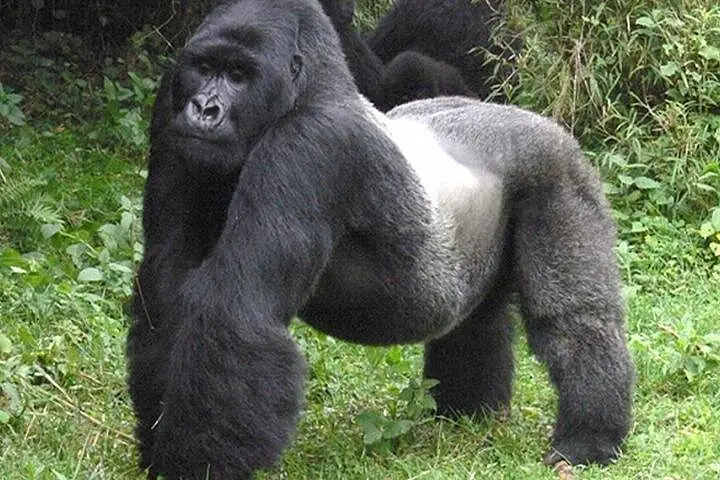
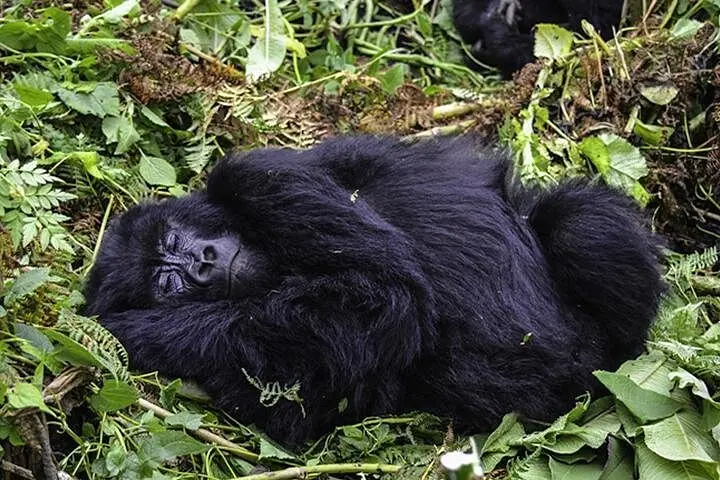
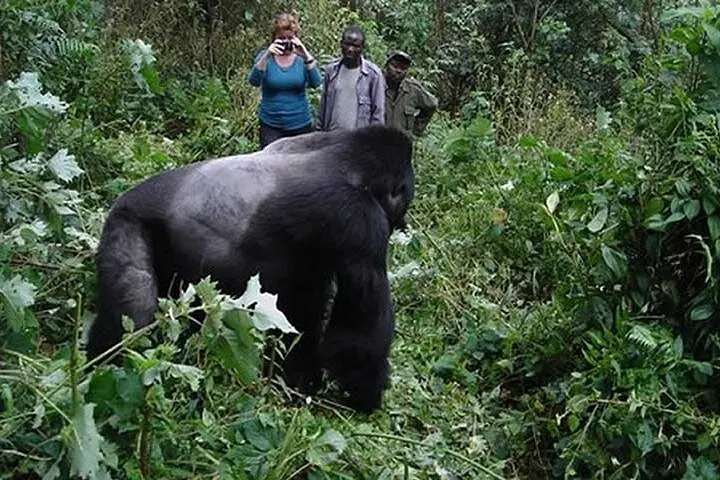
A damp morning light filters through the canopy as a ranger-led group steps off the trail and into the Bwindi Impenetrable Forest. The path narrows, vines tug at sleeves and the forest seems to lean in, guiding you toward a family of mountain gorillas. Eyes meet, breath slows, and the scale of the place—old growth stumps, moss-draped lianas, and the distant silhouette of the Virunga volcanoes—becomes immediate.
A damp morning light filters through the canopy as a ranger-led group steps off the trail and into the Bwindi Impenetrable Forest. The path narrows, vines tug at sleeves and the forest seems to lean in, guiding you toward a family of mountain gorillas. Eyes meet, breath slows, and the scale of the place—old growth stumps, moss-draped lianas, and the distant silhouette of the Virunga volcanoes—becomes immediate.
Bwindi was gazetted as a national park in 1991 and protects nearly half of the world's remaining mountain gorillas. The forest sits on ancient, weathered soils carved by tectonic activity around the Albertine Rift; its steep ridges and deep valleys create microhabitats that support more than 350 bird species and a diversity of primates.
Local Kigezi culture, smallholder banana plantations and patched stone houses spill into the park perimeter; community visits after tracking offer a glimpse into lives shaped by conservation and tourism. Expect variable conditions—the jungle can be muddy, humid and physically demanding—and spending up to an hour observing habituated gorilla groups when they are found.
Practical guidance: plan for a long road transfer from Kampala or Entebbe (8–10 hours), buy trekking permits well in advance, and build flexibility into your schedule—treks are unpredictable and can last 2–8 hours. Wear waterproof boots, durable long sleeves, and bring water, snacks, and hand sanitizer. Follow ranger instructions: limit viewing time, maintain distance, and never feed or touch wildlife. With appropriate preparation, a three-day Bwindi package delivers one of East Africa’s most raw and unforgettable wildlife encounters.