THE ADVENTURE COLLECTIVE® · Independent discovery and booking for outdoor travel

Cover three iconic Great Wall sections in three days—Mutianyu's broad views, Badaling's restored terraces and Jinshanling's quieter ridgelines. Early pickups, a mix of restored and rugged walking, and cultural stops make this a practical way to see the Wall from Beijing.
Cover three iconic Great Wall sections in three days—Mutianyu's broad views, Badaling's restored terraces and Jinshanling's quieter ridgelines. Early pickups, a mix of restored and rugged walking, and cultural stops make this a practical way to see the Wall from Beijing.
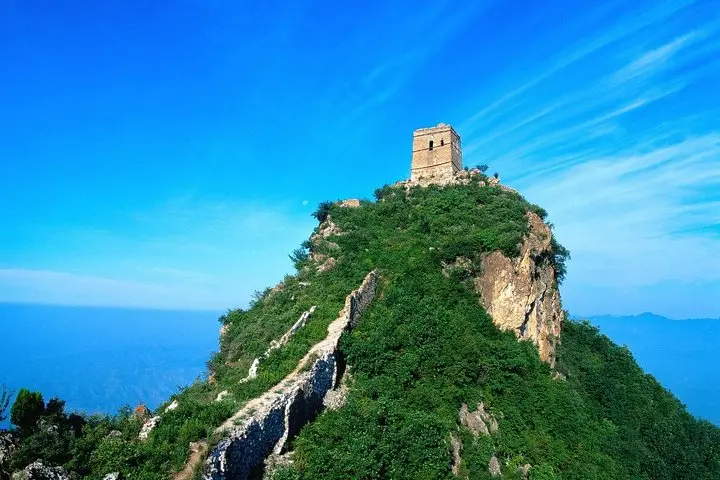
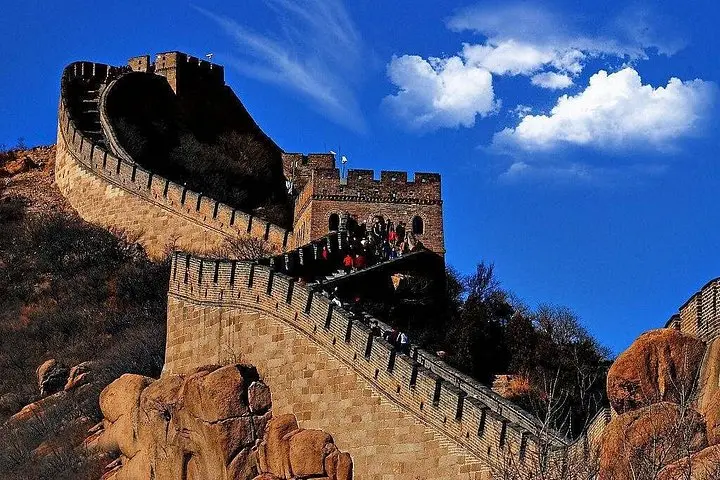
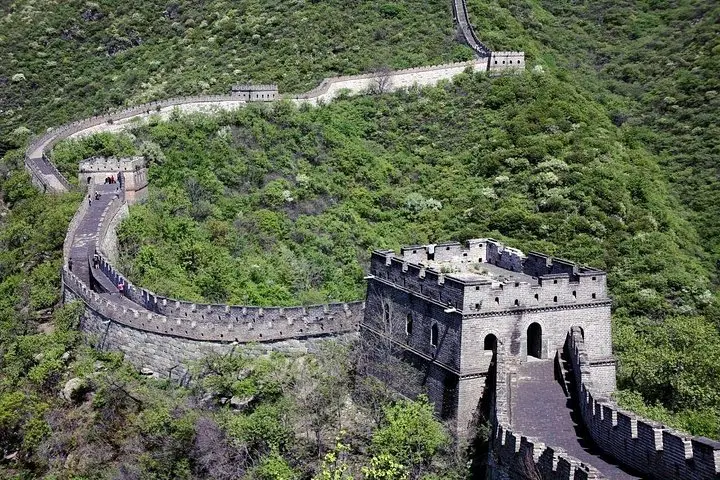
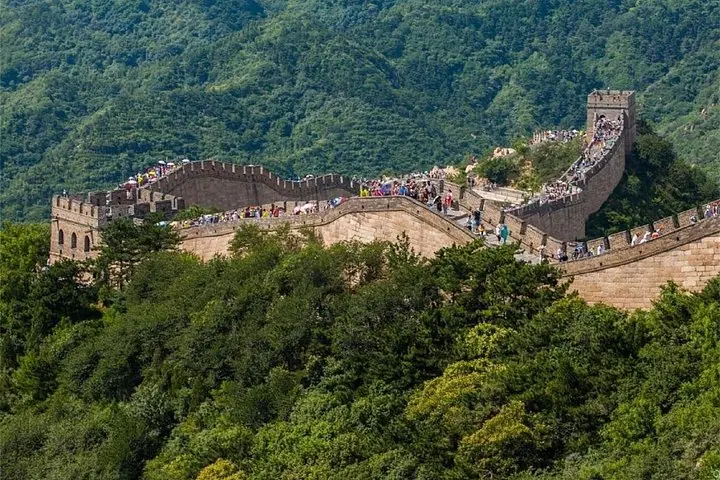
You step onto an air-conditioned bus before dawn, Beijing's skyline shrinking behind you as pines and ridgelines unfurl ahead. The wall appears and disappears over crests—sometimes smoothed and stepped for visitors, sometimes raw and wind-scarred where towers still lean toward the sky.
Verified experiences and guided adventures in the surrounding area.
Operated by Ws China Trips · Beijing, Beijing
You step onto an air-conditioned bus before dawn, Beijing's skyline shrinking behind you as pines and ridgelines unfurl ahead. The wall appears and disappears over crests—sometimes smoothed and stepped for visitors, sometimes raw and wind-scarred where towers still lean toward the sky.
Day one brings Mutianyu: broad, restored ramparts and watchtowers offer sweeping views over woodlands that push against the stones. Day two traces imperial history at the Ming Tombs before the popular, well-preserved terraces of Badaling—where crowds gather and a tea ceremony offers a quieter cultural pause. Day three heads farther out to Jinshanling, roughly 150 km northeast of the city, where restored segments meet rugged, unrestored stretches and the walk feels more solitary.
The Great Wall here is largely a Ming-dynasty construction of bricks and tamped earth, built along ridgelines to control passes and signal movement. Geology shows long, eroded ridges of schist and granite giving the wall its dramatic spine; the human footprint ranges from conservation efforts at Badaling to slow reclamation at Jinshanling.
Practical notes: pickups start early (around 6:30 AM) and hotels must be within Beijing’s 2nd Ring Road. Expect 2–3 hours of walking at each section with steep, uneven stone steps and occasional loose rubble. Cable cars are available at Mutianyu for an extra fee. Bring sturdy shoes, sun protection, and water; passports and full names are required for ticketing. Time your visit for morning light at Mutianyu or late afternoon at Jinshanling to avoid peak crowds and let the slopes breathe around you.
Expect roughly 2–3 hours of on-wall walking at each section plus time for photos, lunch and transfers; travel days include long bus rides.
No—cable car or chairlift at Mutianyu is optional and requires extra payment on site.
Yes—hotel pickup is provided only for hotels within Beijing’s 2nd Ring Road as stated by the operator.
Not recommended—steep steps and uneven surfaces at all three sections make access difficult for those with mobility issues.
Ws China Trips operates guided outdoor trips and adventures with an emphasis on safety, stewardship, and memorable experiences.
You step onto an air-conditioned bus before dawn, Beijing's skyline shrinking behind you as pines and ridgelines unfurl ahead. The wall appears and disappears over crests—sometimes smoothed and stepped for visitors, sometimes raw and wind-scarred where towers still lean toward the sky.
You step onto an air-conditioned bus before dawn, Beijing's skyline shrinking behind you as pines and ridgelines unfurl ahead. The wall appears and disappears over crests—sometimes smoothed and stepped for visitors, sometimes raw and wind-scarred where towers still lean toward the sky.
Day one brings Mutianyu: broad, restored ramparts and watchtowers offer sweeping views over woodlands that push against the stones. Day two traces imperial history at the Ming Tombs before the popular, well-preserved terraces of Badaling—where crowds gather and a tea ceremony offers a quieter cultural pause. Day three heads farther out to Jinshanling, roughly 150 km northeast of the city, where restored segments meet rugged, unrestored stretches and the walk feels more solitary.
The Great Wall here is largely a Ming-dynasty construction of bricks and tamped earth, built along ridgelines to control passes and signal movement. Geology shows long, eroded ridges of schist and granite giving the wall its dramatic spine; the human footprint ranges from conservation efforts at Badaling to slow reclamation at Jinshanling.
Practical notes: pickups start early (around 6:30 AM) and hotels must be within Beijing’s 2nd Ring Road. Expect 2–3 hours of walking at each section with steep, uneven stone steps and occasional loose rubble. Cable cars are available at Mutianyu for an extra fee. Bring sturdy shoes, sun protection, and water; passports and full names are required for ticketing. Time your visit for morning light at Mutianyu or late afternoon at Jinshanling to avoid peak crowds and let the slopes breathe around you.