THE ADVENTURE COLLECTIVE® · Independent discovery and booking for outdoor travel

A three-day guided crossing from Munich to the top of Germany: carve through Partnachklamm, night in classic alpine huts, and tackle a short exposed ridge to stand on the Zugspitze summit. This fully organized tour pairs local guiding with dorm-style hut stays for a compact alpine experience.
A three-day guided crossing from Munich to the top of Germany: carve through Partnachklamm, night in classic alpine huts, and tackle a short exposed ridge to stand on the Zugspitze summit. This fully organized tour pairs local guiding with dorm-style hut stays for a compact alpine experience.
You step out of the minivan with the Bavarian morning pressing cool air into your lungs and the Partnach river already making itself heard — a metallic roar squeezed between sheer limestone walls.
Verified experiences and guided adventures in the surrounding area.
Operated by Best Hikes Bavaria · Garmisch-Partenkirchen, Bavaria
You step out of the minivan with the Bavarian morning pressing cool air into your lungs and the Partnach river already making itself heard — a metallic roar squeezed between sheer limestone walls.
The first day eases you in: a walk through Partnachklamm’s narrow walkway where water dares to carve its own path, then up through green valleys toward Reintalangerhütte. Pine-scented slopes open to meadow, and the hut’s wood-smoke and dormitory chatter feel like the necessary pause before alpine work begins.
Zugspitze (2,962 m) is the apex not just of Germany but of a long geological story. The Wetterstein massif belongs to the Northern Limestone Alps — packed layers of fossil-rich limestone and dolomite lifted by tectonic force and weathered into cliffs, scree fields, and knife-edged ridges. Human history threads through it too: the first recorded ascent is from 1820, and the region’s cable cars and cog railways are 20th-century responses to a long tradition of local guiding and refuge-building.
On day two the route tightens. Trails turn to gravel and then scree; hands go to poles and to knees. Knorrhütte sits like a watchman on the flank of the higher slopes — a stone-and-timber refuge where the work of hiking becomes simple: eat, sleep, and be ready by dawn.
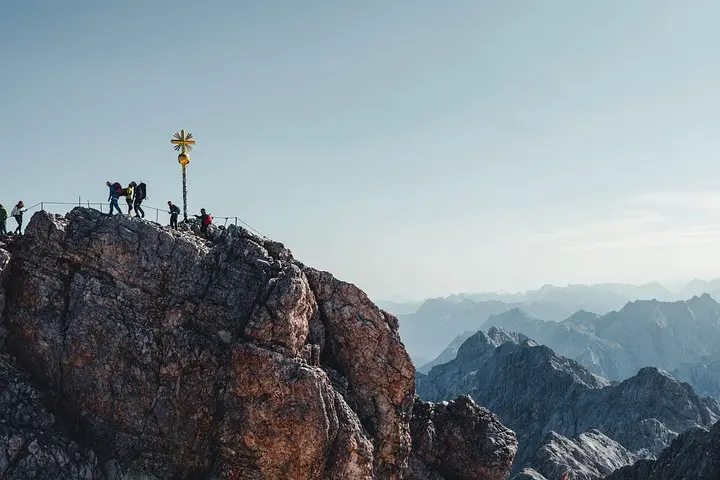
Day three is alpine in the strict sense. A short, exposed scree field demands sure footing; a short protected ridge with a wire rope tests balance and composure. The summit greets you with 360° relief — alpine lakes, the chain of the Zugspitzplatt, and the drop toward Tyrol. The descent by cable car is a civilized exhalation that returns you to valleys and, eventually, to Munich.
Practical edge: the tour is fully guided with English-speaking, certified guides and includes two dorm nights, breakfast, and transport from Munich. Expect mixed terrain: well-marked but steep valley paths, loose scree, and exposed alpine ridges where steady footing matters. Weather is changeable — plan layers and a waterproof shell, and keep early starts to avoid afternoon wind and storms.
This itinerary suits experienced day-hikers stepping up to multi-day alpine travel rather than first-time trekkers. Bring a small pack, break-in boots, and enough snacks to sustain steady, long uphill minutes. Above all, move deliberately: the mountains here reward patience with wide views and the particular quiet of high places.
You should have regular hiking experience and be comfortable with sustained uphill sections, loose scree, and full hiking days; guides list the trip as requiring moderate to good fitness.
The tour includes breakfast and two dorm beds at Reintalangerhütte and Knorrhütte; lunch and dinner on summit day are not included.
Summit altitude is just under 3,000 m; if you are prone to altitude issues, consult your doctor and discuss pacing with the guide—symptoms can be mitigated by hydration and slow ascent.
Yes — certified, English-speaking hiking guides manage the group and route-finding for the three-day itinerary.
The operator cancels in bad weather; their policy allows a full refund if you cancel at least 24 hours before departure.
The itinerary includes a cable car descent from the Zugspitze area; return transport brings the group back to Munich by evening.
Best Hikes Bavaria operates guided outdoor trips and adventures with an emphasis on safety, stewardship, and memorable experiences.
You step out of the minivan with the Bavarian morning pressing cool air into your lungs and the Partnach river already making itself heard — a metallic roar squeezed between sheer limestone walls.
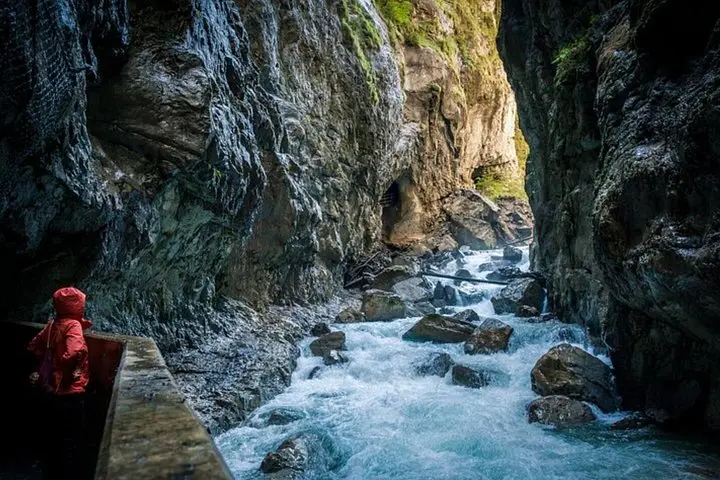
You step out of the minivan with the Bavarian morning pressing cool air into your lungs and the Partnach river already making itself heard — a metallic roar squeezed between sheer limestone walls.
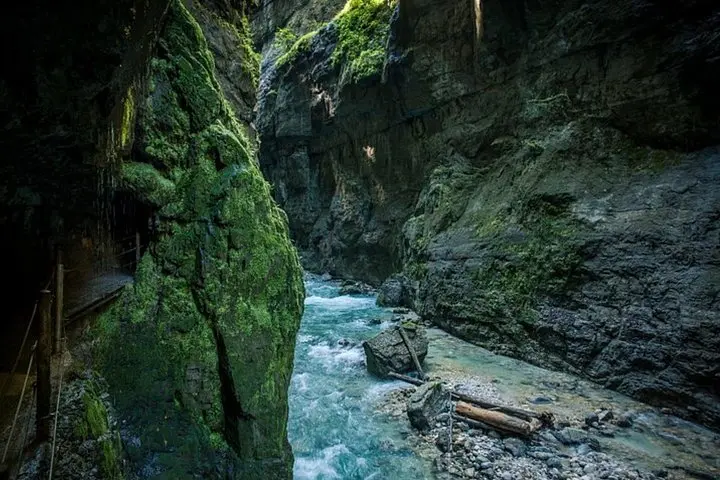
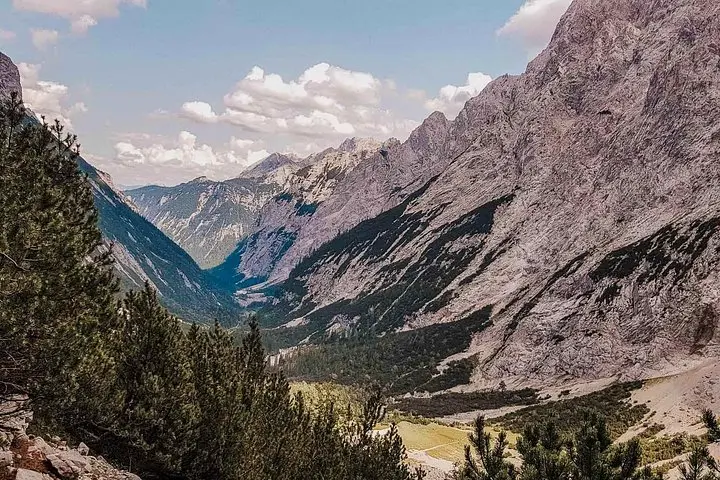
The first day eases you in: a walk through Partnachklamm’s narrow walkway where water dares to carve its own path, then up through green valleys toward Reintalangerhütte. Pine-scented slopes open to meadow, and the hut’s wood-smoke and dormitory chatter feel like the necessary pause before alpine work begins.
Zugspitze (2,962 m) is the apex not just of Germany but of a long geological story. The Wetterstein massif belongs to the Northern Limestone Alps — packed layers of fossil-rich limestone and dolomite lifted by tectonic force and weathered into cliffs, scree fields, and knife-edged ridges. Human history threads through it too: the first recorded ascent is from 1820, and the region’s cable cars and cog railways are 20th-century responses to a long tradition of local guiding and refuge-building.
On day two the route tightens. Trails turn to gravel and then scree; hands go to poles and to knees. Knorrhütte sits like a watchman on the flank of the higher slopes — a stone-and-timber refuge where the work of hiking becomes simple: eat, sleep, and be ready by dawn.
Day three is alpine in the strict sense. A short, exposed scree field demands sure footing; a short protected ridge with a wire rope tests balance and composure. The summit greets you with 360° relief — alpine lakes, the chain of the Zugspitzplatt, and the drop toward Tyrol. The descent by cable car is a civilized exhalation that returns you to valleys and, eventually, to Munich.
Practical edge: the tour is fully guided with English-speaking, certified guides and includes two dorm nights, breakfast, and transport from Munich. Expect mixed terrain: well-marked but steep valley paths, loose scree, and exposed alpine ridges where steady footing matters. Weather is changeable — plan layers and a waterproof shell, and keep early starts to avoid afternoon wind and storms.
This itinerary suits experienced day-hikers stepping up to multi-day alpine travel rather than first-time trekkers. Bring a small pack, break-in boots, and enough snacks to sustain steady, long uphill minutes. Above all, move deliberately: the mountains here reward patience with wide views and the particular quiet of high places.