THE ADVENTURE COLLECTIVE® · Independent discovery and booking for outdoor travel

Three days of guided exploration across Luxor’s East and West Banks, concluding at the Temple of Hathor in Dendera. Early starts, private transfers, and a qualified Egyptology guide make this a practical, in-depth look at ancient Thebes.
Three days of guided exploration across Luxor’s East and West Banks, concluding at the Temple of Hathor in Dendera. Early starts, private transfers, and a qualified Egyptology guide make this a practical, in-depth look at ancient Thebes.
You arrive to a river city where the Nile moves like a slow conductor and stone columns throw long shadows across sand-warmed pavement. Morning light finds the hypostyle halls at Karnak spilling gold, while the West Bank’s funerary cliffs keep their cool and silence until you step between carved doorways.
Verified experiences and guided adventures in the surrounding area.
Operated by Book Your Tours · Luxor, Luxor Governorate
You arrive to a river city where the Nile moves like a slow conductor and stone columns throw long shadows across sand-warmed pavement. Morning light finds the hypostyle halls at Karnak spilling gold, while the West Bank’s funerary cliffs keep their cool and silence until you step between carved doorways.
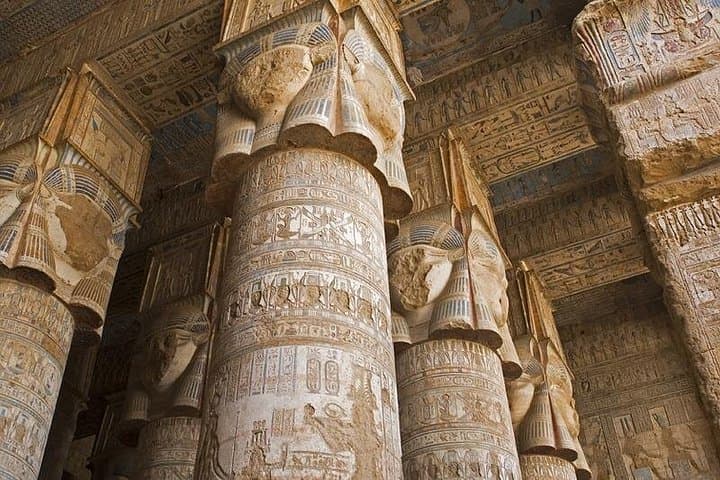
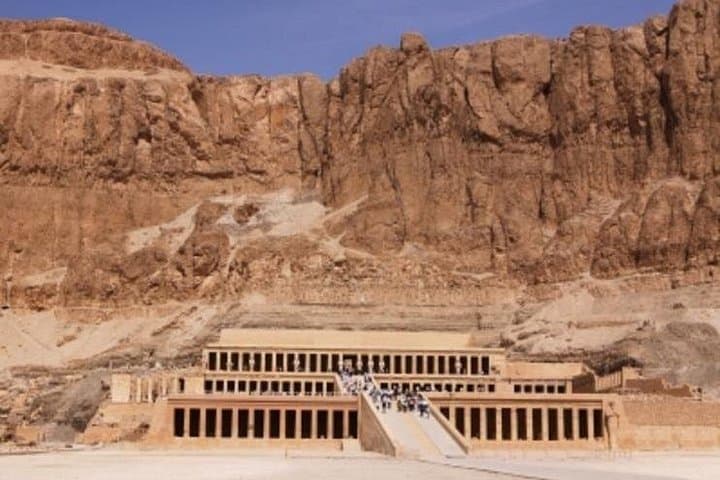
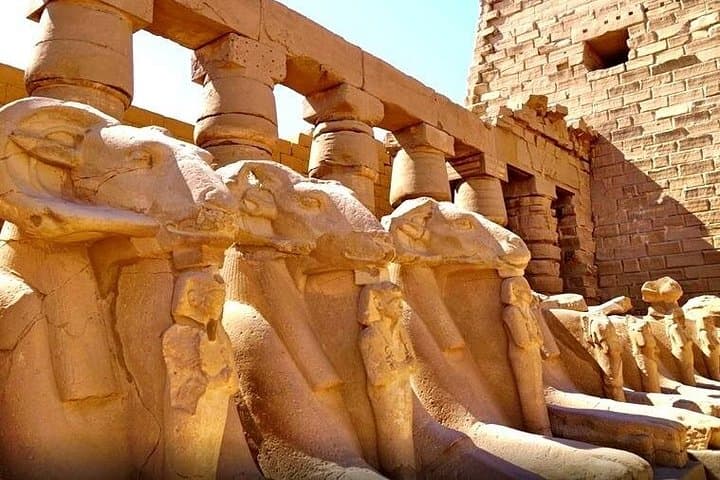
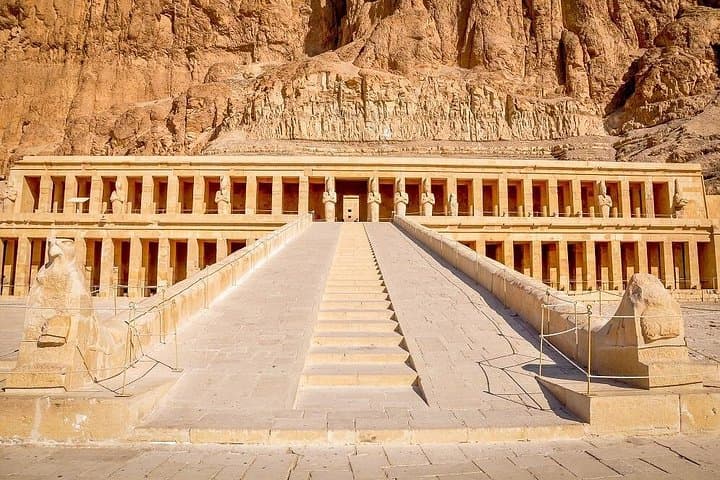
This three-day itinerary threads together the high points of ancient Thebes: the Valley of the Kings and its painted tombs, Hatshepsut’s terraced mortuary temple at Deir el-Bahari, the monumental avenues and pylons of Karnak and Luxor Temples, and the later Ptolemaic shrine of Hathor at Dendera north of Luxor.
Geology here is simple: a narrow Nile floodplain hemmed by limestone cliffs that ancient Egyptians quarried for their necropolises. Culturally the route follows millennia of ritual—processional routes, cult temples and royal burials that shaped pharaonic power.
Practically, expect lots of short walks over uneven stone and flagged piazzas, some stair sections at Hatshepsut, and paved approaches at major temples. Temperatures can spike; guides typically schedule early starts to avoid heat and crowds. Hotel or Nile-cruise pickup and private-vehicle transfers are standard; entrance fees to some tombs may be extra.
Bring sunscreen, a hat and comfortable closed-toe shoes; carry local cash for small purchases and tips. Modest dress is required in religious sites. The trip balances relaxed transport with repeated opportunities to stand close to millennia-old reliefs—ideal for travelers who want immersive history without serious hiking.
Basic tour price covers transport and guide; individual temple and tomb entry fees are commonly not included—expect to pay on-site for some tombs.
Yes; the operator offers pickup from hotels and Nile cruise boats in Luxor—confirm exact pickup point when booking.
Main temple courtyards and some approaches are accessible, but many tombs and Hatshepsut’s terraces involve steps and uneven ground that limit access.
Summer can be very hot (above 40°C/104°F); shoulder seasons (Oct–Apr) are cooler—early mornings are best any time of year.
Book Your Tours operates guided outdoor trips and adventures with an emphasis on safety, stewardship, and memorable experiences.
You arrive to a river city where the Nile moves like a slow conductor and stone columns throw long shadows across sand-warmed pavement. Morning light finds the hypostyle halls at Karnak spilling gold, while the West Bank’s funerary cliffs keep their cool and silence until you step between carved doorways.
You arrive to a river city where the Nile moves like a slow conductor and stone columns throw long shadows across sand-warmed pavement. Morning light finds the hypostyle halls at Karnak spilling gold, while the West Bank’s funerary cliffs keep their cool and silence until you step between carved doorways.
This three-day itinerary threads together the high points of ancient Thebes: the Valley of the Kings and its painted tombs, Hatshepsut’s terraced mortuary temple at Deir el-Bahari, the monumental avenues and pylons of Karnak and Luxor Temples, and the later Ptolemaic shrine of Hathor at Dendera north of Luxor.
Geology here is simple: a narrow Nile floodplain hemmed by limestone cliffs that ancient Egyptians quarried for their necropolises. Culturally the route follows millennia of ritual—processional routes, cult temples and royal burials that shaped pharaonic power.
Practically, expect lots of short walks over uneven stone and flagged piazzas, some stair sections at Hatshepsut, and paved approaches at major temples. Temperatures can spike; guides typically schedule early starts to avoid heat and crowds. Hotel or Nile-cruise pickup and private-vehicle transfers are standard; entrance fees to some tombs may be extra.
Bring sunscreen, a hat and comfortable closed-toe shoes; carry local cash for small purchases and tips. Modest dress is required in religious sites. The trip balances relaxed transport with repeated opportunities to stand close to millennia-old reliefs—ideal for travelers who want immersive history without serious hiking.