THE ADVENTURE COLLECTIVE® · Independent discovery and booking for outdoor travel

Three days along Vietnam’s northern spine: winding passes, the Ma Pi Leng lookout, Dong Van’s old quarter and boat time on the Nho Que. This compact trip pairs dramatic karst scenery with village culture and practical travel logistics.
Three days along Vietnam’s northern spine: winding passes, the Ma Pi Leng lookout, Dong Van’s old quarter and boat time on the Nho Que. This compact trip pairs dramatic karst scenery with village culture and practical travel logistics.
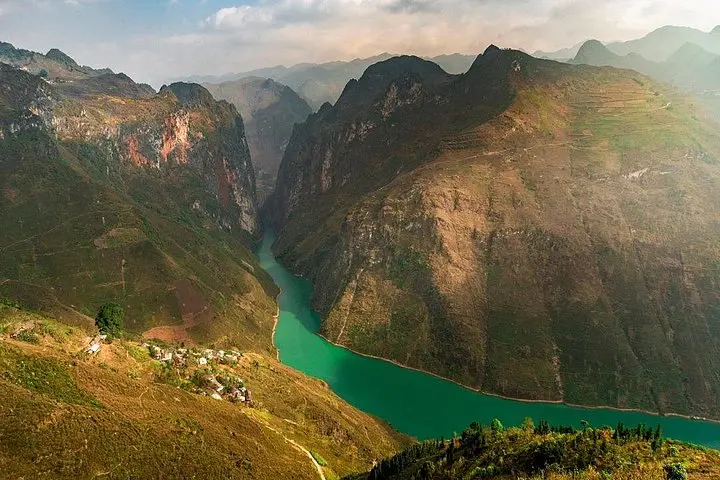
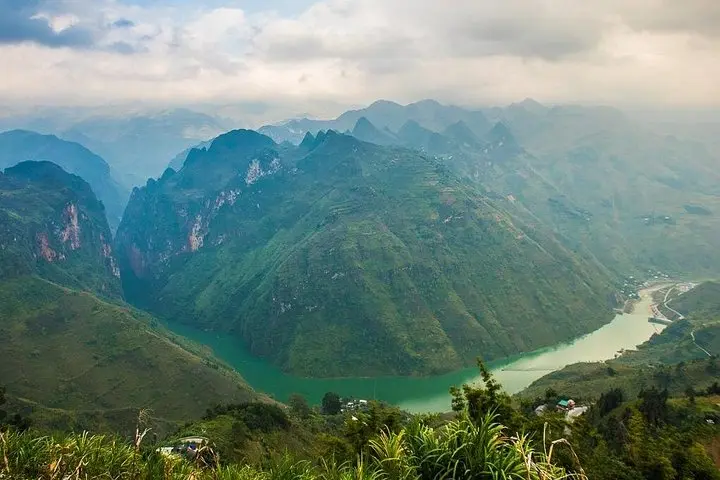
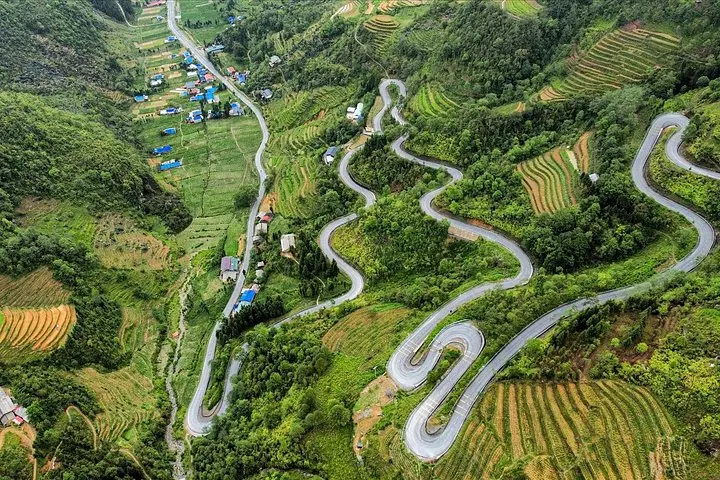
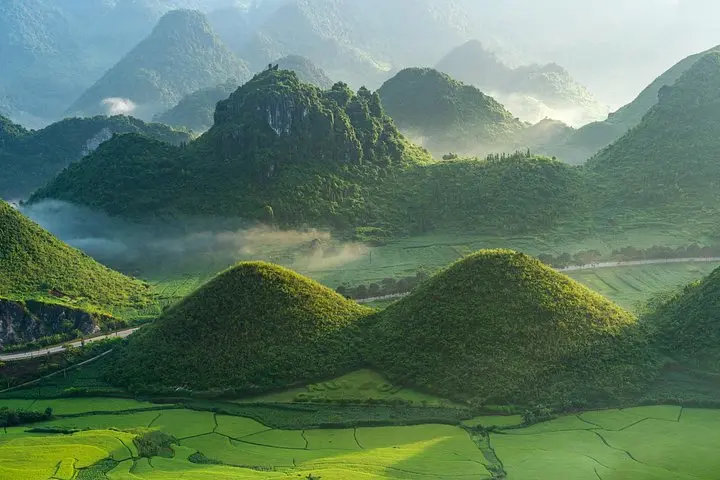
At 04:30 the bus pulls into Ha Giang and the air feels thinner, sharp with mountain cold and the smell of wood smoke. Limestone towers rise like weathered teeth and a ribbon of asphalt snakes toward Ma Pi Leng; the river below dares you with its green current. Over three days you move through sharp karst ridges, terraced fields and highland markets where language and dress change as fast as the altitude.
Verified experiences and guided adventures in the surrounding area.
Operated by Iztrip · Ha Giang, Ha Giang Province
At 04:30 the bus pulls into Ha Giang and the air feels thinner, sharp with mountain cold and the smell of wood smoke. Limestone towers rise like weathered teeth and a ribbon of asphalt snakes toward Ma Pi Leng; the river below dares you with its green current. Over three days you move through sharp karst ridges, terraced fields and highland markets where language and dress change as fast as the altitude.
Geology here is visible history: the Dong Van Karst Plateau is a UNESCO Global Geopark, its folded limestone shaped by millions of years of uplift and erosion into steep cliffs and narrow canyons. Culturally, this route threads Hmong, Tay and Dao communities—Lung Cam’s wooden houses and the Vuong family’s Hmong King Palace are living chapters in a contested borderland. Ma Pi Leng’s switchbacks command views; the Nho Que river carves the Tu San gorge, pushing boats along a canyon reputed as Southeast Asia’s deepest.
Practically, expect long transfers on small coaches, short walks, market strolls and a boat on day two. Accommodation is basic regional hotels; meals highlight local specialties like black chicken hotpot and bánh cuốn. Weather shifts fast—mornings can be freezing while afternoons warm quickly—so layer. Carry cash for remote shops, a reusable water bottle, motion-sickness remedies for winding passes and a compact rain shell. Respect local customs: ask before photographing people and minimize plastic waste.
This trip is sensory and straightforward: sculpted rock, bold passes and the steady human rhythms of highland life—an accessible, dramatic slice of northern Vietnam.
The tour notes tickets for destination entrances and the Nho Que boat are included in the listed inclusions.
This itinerary includes round-trip bus transport between Hanoi and Ha Giang; otherwise private buses and overnight sleepers are common options.
Regional hotels in Ha Giang and Dong Van are modest and clean; expect simple rooms with basic amenities.
Yes—providers note it is suitable for most fitness levels, but infants must sit on an adult’s lap on the bus and long travel times may be fatiguing.
Iztrip operates guided outdoor trips and adventures with an emphasis on safety, stewardship, and memorable experiences.
At 04:30 the bus pulls into Ha Giang and the air feels thinner, sharp with mountain cold and the smell of wood smoke. Limestone towers rise like weathered teeth and a ribbon of asphalt snakes toward Ma Pi Leng; the river below dares you with its green current. Over three days you move through sharp karst ridges, terraced fields and highland markets where language and dress change as fast as the altitude.
At 04:30 the bus pulls into Ha Giang and the air feels thinner, sharp with mountain cold and the smell of wood smoke. Limestone towers rise like weathered teeth and a ribbon of asphalt snakes toward Ma Pi Leng; the river below dares you with its green current. Over three days you move through sharp karst ridges, terraced fields and highland markets where language and dress change as fast as the altitude.
Geology here is visible history: the Dong Van Karst Plateau is a UNESCO Global Geopark, its folded limestone shaped by millions of years of uplift and erosion into steep cliffs and narrow canyons. Culturally, this route threads Hmong, Tay and Dao communities—Lung Cam’s wooden houses and the Vuong family’s Hmong King Palace are living chapters in a contested borderland. Ma Pi Leng’s switchbacks command views; the Nho Que river carves the Tu San gorge, pushing boats along a canyon reputed as Southeast Asia’s deepest.
Practically, expect long transfers on small coaches, short walks, market strolls and a boat on day two. Accommodation is basic regional hotels; meals highlight local specialties like black chicken hotpot and bánh cuốn. Weather shifts fast—mornings can be freezing while afternoons warm quickly—so layer. Carry cash for remote shops, a reusable water bottle, motion-sickness remedies for winding passes and a compact rain shell. Respect local customs: ask before photographing people and minimize plastic waste.
This trip is sensory and straightforward: sculpted rock, bold passes and the steady human rhythms of highland life—an accessible, dramatic slice of northern Vietnam.