THE ADVENTURE COLLECTIVE® · Independent discovery and booking for outdoor travel

Three days on the Ha Giang Loop deliver towering passes, limestone canyons and authentic homestays. Ride Ma Pi Leng, float the Nho Que River and visit Dong Van’s Vuong mansion on this compact motorbike journey.
Three days on the Ha Giang Loop deliver towering passes, limestone canyons and authentic homestays. Ride Ma Pi Leng, float the Nho Que River and visit Dong Van’s Vuong mansion on this compact motorbike journey.
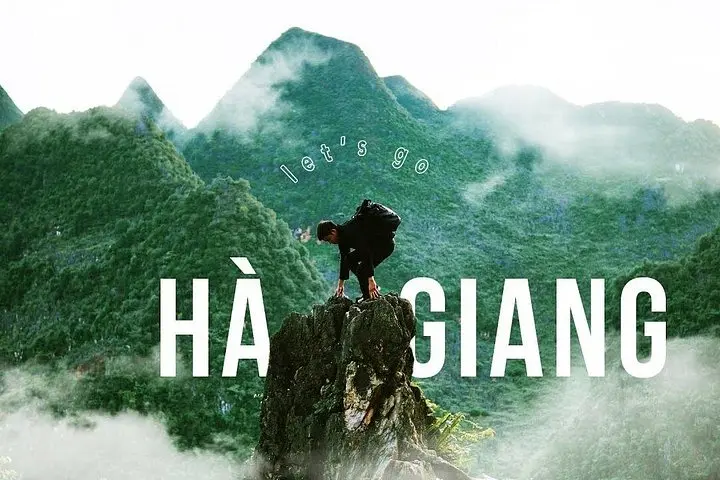
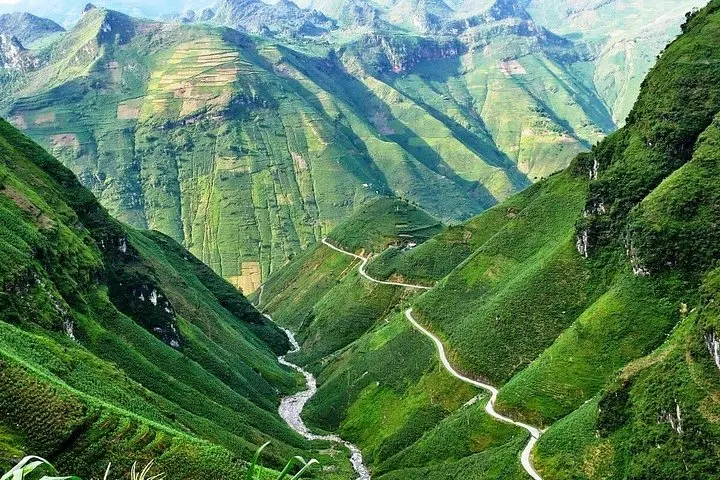
You kick off before sunrise at Ha Giang City, the engine thrum soft against a cool mountain morning as rice terraces and limestone ridges slide past. The road climbs and curls, revealing sheer drop-offs and villages where stilt houses perch above carved fields; the ride feels less like transit and more like a slow reveal of a highland world.
Verified experiences and guided adventures in the surrounding area.
Operated by Local Tours HALONG · Ha Giang, Ha Giang Province
You kick off before sunrise at Ha Giang City, the engine thrum soft against a cool mountain morning as rice terraces and limestone ridges slide past. The road climbs and curls, revealing sheer drop-offs and villages where stilt houses perch above carved fields; the ride feels less like transit and more like a slow reveal of a highland world.
This loop threads through the Dong Van Karst Plateau — a UNESCO Global Geopark — where Paleozoic limestone folded into cliffs and canyons over millions of years. Cultural layers sit atop that geology: H'mong, Tay, and Dao communities maintain woven patterns, house designs, and local corn-wine traditions. The Vuong mansion in Sa Phin offers a glimpse of 20th-century H'mong aristocracy and the region's French-influenced architecture.
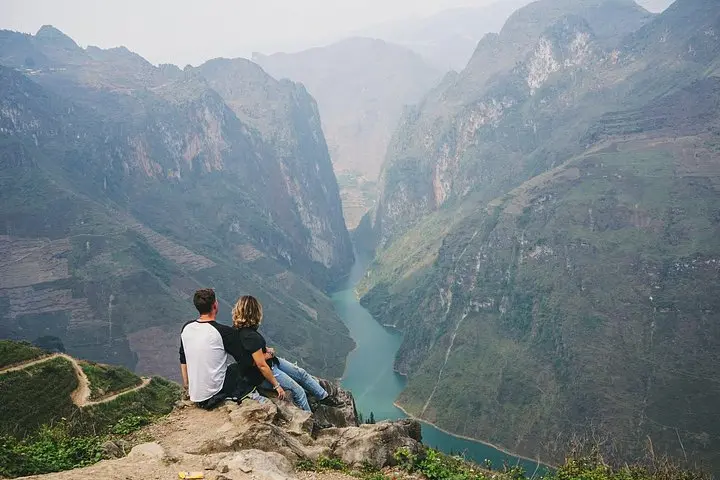
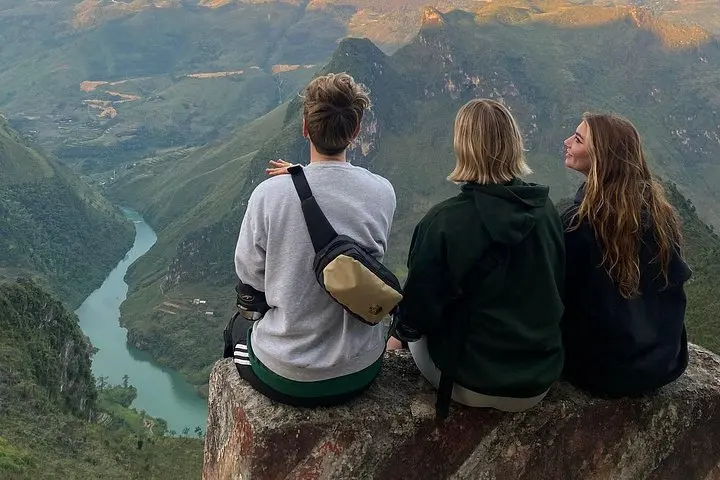
On Day 2 the road crests Ma Pi Leng Pass (rising to roughly 1,200–1,500 m), and the Nho Que River dares you to look down into a canyon cut deep into the plateau. Boat trips along the Nho Que expose sheer walls and quiet villages only reachable by water; Du Gia rewards with woodland trails and a cool waterfall.
Practical guidance: expect long saddle hours and many switchbacks — carry layered clothing, ample water, and spare cash for fuel and homestays. If you self-ride, basic motorcycle handling and confident cornering on mixed pavement are required; otherwise choose an Easy Rider. Plan for sudden rain, modest mobile coverage in valleys, and homestays that prioritize simple meals and cultural exchange over luxury.
Yes — some bookings offer a self-riding option; you should have experience handling a 125–150cc on mountain roads and carry a valid motorcycle license where required.
Homestays are simple dorm or private rooms with shared facilities; expect home-cooked local meals, basic bedding, and opportunities to meet host families.
Boat rides are typically included on Day 2 of the itinerary to view the Tu San canyon, but check the booking details for confirmation and weather-dependent changes.
Roads include steep switchbacks and narrow shoulders; risks increase in rain or fog—choose an experienced local driver or an Easy Rider if you lack mountain riding experience.
Local Tours HALONG operates guided outdoor trips and adventures with an emphasis on safety, stewardship, and memorable experiences.
You kick off before sunrise at Ha Giang City, the engine thrum soft against a cool mountain morning as rice terraces and limestone ridges slide past. The road climbs and curls, revealing sheer drop-offs and villages where stilt houses perch above carved fields; the ride feels less like transit and more like a slow reveal of a highland world.
You kick off before sunrise at Ha Giang City, the engine thrum soft against a cool mountain morning as rice terraces and limestone ridges slide past. The road climbs and curls, revealing sheer drop-offs and villages where stilt houses perch above carved fields; the ride feels less like transit and more like a slow reveal of a highland world.
This loop threads through the Dong Van Karst Plateau — a UNESCO Global Geopark — where Paleozoic limestone folded into cliffs and canyons over millions of years. Cultural layers sit atop that geology: H'mong, Tay, and Dao communities maintain woven patterns, house designs, and local corn-wine traditions. The Vuong mansion in Sa Phin offers a glimpse of 20th-century H'mong aristocracy and the region's French-influenced architecture.
On Day 2 the road crests Ma Pi Leng Pass (rising to roughly 1,200–1,500 m), and the Nho Que River dares you to look down into a canyon cut deep into the plateau. Boat trips along the Nho Que expose sheer walls and quiet villages only reachable by water; Du Gia rewards with woodland trails and a cool waterfall.
Practical guidance: expect long saddle hours and many switchbacks — carry layered clothing, ample water, and spare cash for fuel and homestays. If you self-ride, basic motorcycle handling and confident cornering on mixed pavement are required; otherwise choose an Easy Rider. Plan for sudden rain, modest mobile coverage in valleys, and homestays that prioritize simple meals and cultural exchange over luxury.