THE ADVENTURE COLLECTIVE® · Independent discovery and booking for outdoor travel

Ride the Ha Giang Loop over three days to reach Ma Pi Leng, Dong Van and the Nho Que canyon. This motorbike tour mixes sharp mountain roads, homestay nights and panoramic viewpoints for a compact, immersive northern Vietnam experience.
Ride the Ha Giang Loop over three days to reach Ma Pi Leng, Dong Van and the Nho Que canyon. This motorbike tour mixes sharp mountain roads, homestay nights and panoramic viewpoints for a compact, immersive northern Vietnam experience.
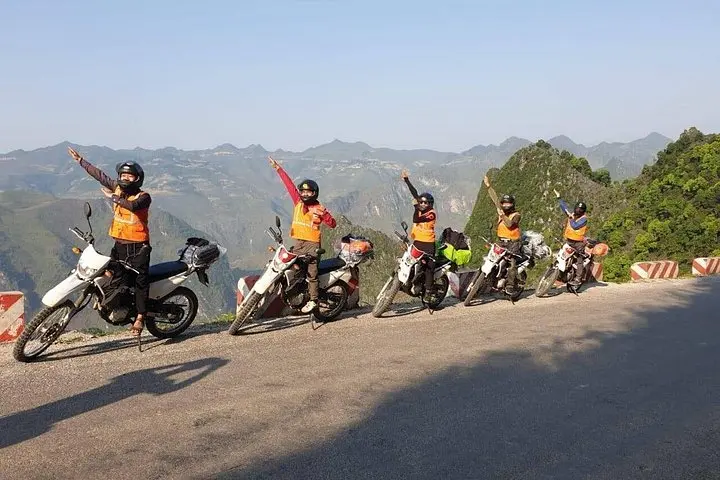
Headlights cut through early mist as you leave Ha Giang city and climb into a landscape that feels older than roads — switchbacks tighten, rice terraces fold away, and the wind along Ma Pi Leng seems to tug at your jacket as if urging you onward.
Verified experiences and guided adventures in the surrounding area.
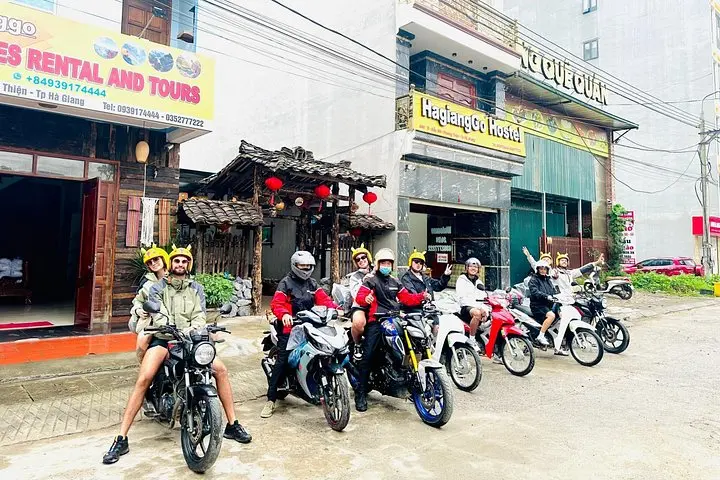
Operated by Authentic HA GIANG · Ha Giang, Ha Giang Province
Headlights cut through early mist as you leave Ha Giang city and climb into a landscape that feels older than roads — switchbacks tighten, rice terraces fold away, and the wind along Ma Pi Leng seems to tug at your jacket as if urging you onward.
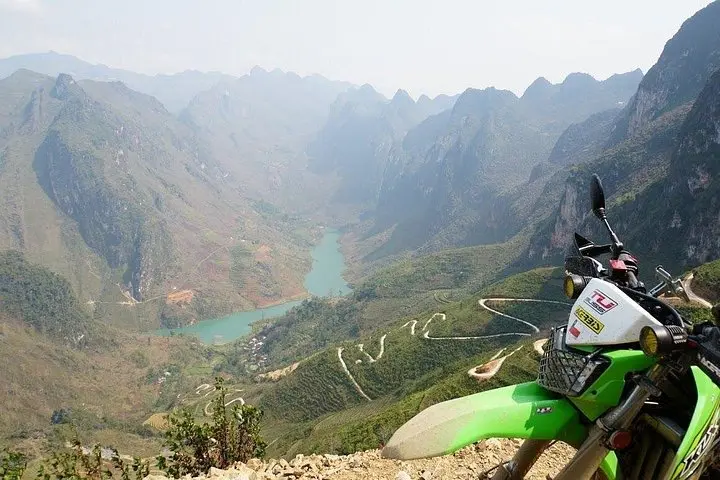
This three-day loop threads through the Dong Van Karst Plateau (a recognized geopark) and across passes that shaped local culture for centuries. Geology here is raw: limestone cliffs and deep canyons carved by the Nho Que River create abrupt drops and panoramic rims. The region is home to Hmong, Tay and Dao communities; homestays and village markets are living chapters of that culture, where Tay corn wine and handwoven textiles are woven into daily life.
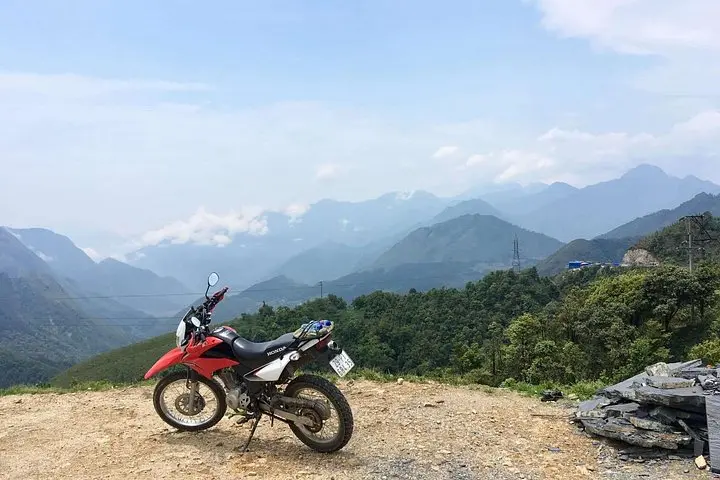
Practically, expect roughly 300–350 km over three days with several stretches of steep, narrow, and sometimes unpaved road; Ma Pi Leng sits around 1,200 m and offers the clearest views into the Nho Que canyon. Options include riding your own motorbike or traveling with a driver-guide; a bus alternative can shorten handling demands but misses some roadside access. Days run long — plan 6–8 hours of travel and stops daily — so pack layers for sun, wind and sudden mountain drizzle, bring extra cash for remote services, and be comfortable on a manual bike if choosing the motorbike option.
Highlights include sunrise over Quan Ba’s twin hills, the hairpin climbs into Dong Van, the lookout at Ma Pi Leng, and a boat ride on the Nho Que. Travel with respect for fragile trails and village life: keep waste secure, buy locally when you can, and leave time to listen to the landscape as much as you photograph it.
No — the tour usually offers a motorbike option and a bus/driver option; choose the bus if you prefer not to ride.
Spring and autumn (March–May, September–November) generally have the best balance of clear weather and comfortable temperatures.
Homestays are simple and clean with shared facilities in many villages; expect basic bedding and home-cooked meals reflecting local cuisine.
The roads can be technical: steep grades, tight hairpins and occasional gravel; novice riders should take the driver option or ensure guided support.
Authentic HA GIANG operates guided outdoor trips and adventures with an emphasis on safety, stewardship, and memorable experiences.
Headlights cut through early mist as you leave Ha Giang city and climb into a landscape that feels older than roads — switchbacks tighten, rice terraces fold away, and the wind along Ma Pi Leng seems to tug at your jacket as if urging you onward.
Headlights cut through early mist as you leave Ha Giang city and climb into a landscape that feels older than roads — switchbacks tighten, rice terraces fold away, and the wind along Ma Pi Leng seems to tug at your jacket as if urging you onward.
This three-day loop threads through the Dong Van Karst Plateau (a recognized geopark) and across passes that shaped local culture for centuries. Geology here is raw: limestone cliffs and deep canyons carved by the Nho Que River create abrupt drops and panoramic rims. The region is home to Hmong, Tay and Dao communities; homestays and village markets are living chapters of that culture, where Tay corn wine and handwoven textiles are woven into daily life.
Practically, expect roughly 300–350 km over three days with several stretches of steep, narrow, and sometimes unpaved road; Ma Pi Leng sits around 1,200 m and offers the clearest views into the Nho Que canyon. Options include riding your own motorbike or traveling with a driver-guide; a bus alternative can shorten handling demands but misses some roadside access. Days run long — plan 6–8 hours of travel and stops daily — so pack layers for sun, wind and sudden mountain drizzle, bring extra cash for remote services, and be comfortable on a manual bike if choosing the motorbike option.
Highlights include sunrise over Quan Ba’s twin hills, the hairpin climbs into Dong Van, the lookout at Ma Pi Leng, and a boat ride on the Nho Que. Travel with respect for fragile trails and village life: keep waste secure, buy locally when you can, and leave time to listen to the landscape as much as you photograph it.