THE ADVENTURE COLLECTIVE® · Independent discovery and booking for outdoor travel

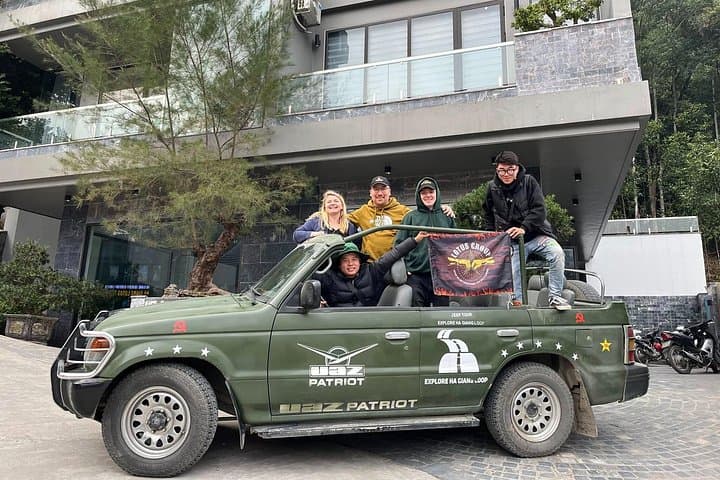
Drive the Ha Giang Loop in an open-air car over three days and peer into Vietnam’s dramatic karst plateau. Expect high passes, homestay nights, a boat on the Nho Que River, and cultural stops in Hmong weaving villages.
Drive the Ha Giang Loop in an open-air car over three days and peer into Vietnam’s dramatic karst plateau. Expect high passes, homestay nights, a boat on the Nho Que River, and cultural stops in Hmong weaving villages.
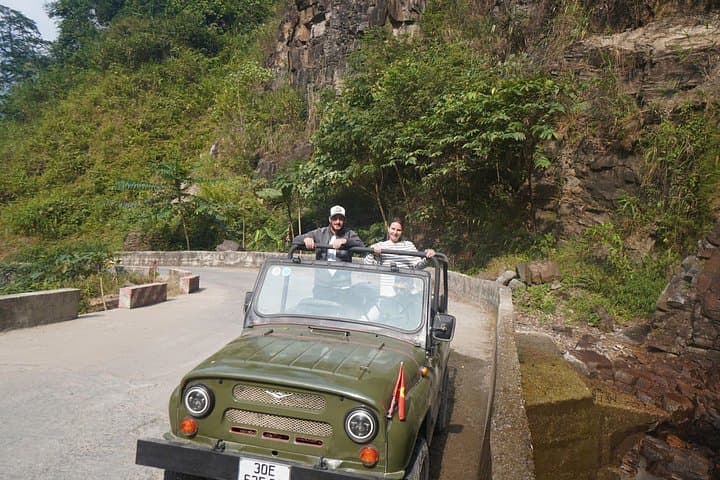
You step into highland air that tastes like iron and green tea, the open-air car humming beneath you as hairpin roads unfold like a map of aged rivers. Early light spills over the Bac Sum slope and Quan Ba Heaven Gate at roughly 1,500 m, giving a first, startling view of the karst ridges that will keep pace with you for three days.
Verified experiences and guided adventures in the surrounding area.
Operated by Ha Giang Lotus Group and Tours · Ha Giang, Ha Giang
You step into highland air that tastes like iron and green tea, the open-air car humming beneath you as hairpin roads unfold like a map of aged rivers. Early light spills over the Bac Sum slope and Quan Ba Heaven Gate at roughly 1,500 m, giving a first, startling view of the karst ridges that will keep pace with you for three days.
This loop traverses the Dong Van Karst Plateau Geopark, Vietnam’s first UNESCO Global Geopark, where limestone eroded into toothlike pinnacles and deep canyons tell a geological story millions of years old. Human history here is equally layered: Hmong and Dao communities still weave brocade in Lung Tam, farm terraced rice along narrow benches, and keep oral traditions that mark the calendar more than clocks.
Culturally vivid villages and roadside markets punctuate the drive, and the Ma Pi Leng pass — a technical, twisting stretch — frames the Nho Que river canyon, where a short boat ride reveals sheer cliffs dropping to jade water.
Practical pointers: the loop covers roughly 250–350 km on narrow, often paved but uneven mountain roads; expect long transit sections, short village walks, and optional waterfall hikes in Du Gia. Homestays in Dong Van and Du Gia offer private twin or double rooms and local meals. Pack layered clothing, a rain shell, comfortable walking shoes, and an appetite for strong coffee and local goat dishes. Travel early to avoid midday heat or fog and leave phones ready for wide, panoramic shots — but keep some time simply to listen to the valley.
Most departures begin and end in Ha Giang city, with hotel pickup options; confirm your pickup point when booking.
Yes — the trip includes private double or twin rooms in boutique homestays at Dong Van and Du Gia, typically basic but comfortable.
Yes — the open-air car provides a safer alternative to motorbikes while still offering fresh-air exposure to the landscape.
Yes — weather permitting, the itinerary often allows time to swim or jump at Du Gia Waterfall; follow your guide’s safety advice.
Ha Giang Lotus Group and Tours operates guided outdoor trips and adventures with an emphasis on safety, stewardship, and memorable experiences.


You step into highland air that tastes like iron and green tea, the open-air car humming beneath you as hairpin roads unfold like a map of aged rivers. Early light spills over the Bac Sum slope and Quan Ba Heaven Gate at roughly 1,500 m, giving a first, startling view of the karst ridges that will keep pace with you for three days.
You step into highland air that tastes like iron and green tea, the open-air car humming beneath you as hairpin roads unfold like a map of aged rivers. Early light spills over the Bac Sum slope and Quan Ba Heaven Gate at roughly 1,500 m, giving a first, startling view of the karst ridges that will keep pace with you for three days.
This loop traverses the Dong Van Karst Plateau Geopark, Vietnam’s first UNESCO Global Geopark, where limestone eroded into toothlike pinnacles and deep canyons tell a geological story millions of years old. Human history here is equally layered: Hmong and Dao communities still weave brocade in Lung Tam, farm terraced rice along narrow benches, and keep oral traditions that mark the calendar more than clocks.
Culturally vivid villages and roadside markets punctuate the drive, and the Ma Pi Leng pass — a technical, twisting stretch — frames the Nho Que river canyon, where a short boat ride reveals sheer cliffs dropping to jade water.
Practical pointers: the loop covers roughly 250–350 km on narrow, often paved but uneven mountain roads; expect long transit sections, short village walks, and optional waterfall hikes in Du Gia. Homestays in Dong Van and Du Gia offer private twin or double rooms and local meals. Pack layered clothing, a rain shell, comfortable walking shoes, and an appetite for strong coffee and local goat dishes. Travel early to avoid midday heat or fog and leave phones ready for wide, panoramic shots — but keep some time simply to listen to the valley.