THE ADVENTURE COLLECTIVE® · Independent discovery and booking for outdoor travel

Three days from Mostar takes you through Ottoman tekijas, Roman ruins and a karst waterfall. This private, multi-day tour pairs cultural heritage with raw karst landscapes—ideal for travelers who want readable history and accessible nature.
Three days from Mostar takes you through Ottoman tekijas, Roman ruins and a karst waterfall. This private, multi-day tour pairs cultural heritage with raw karst landscapes—ideal for travelers who want readable history and accessible nature.
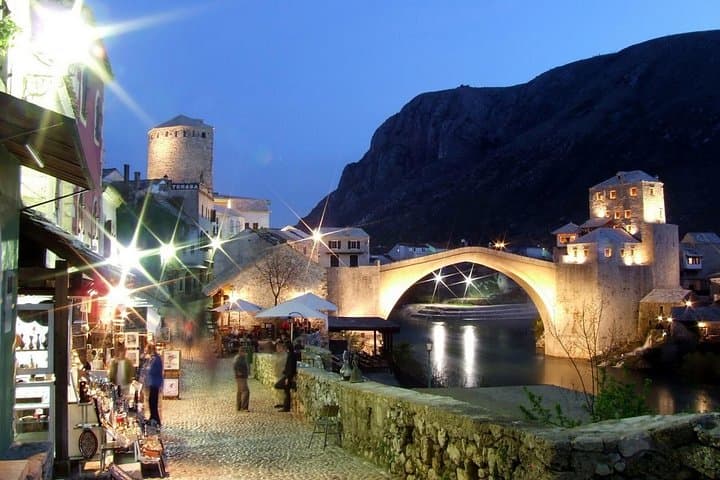
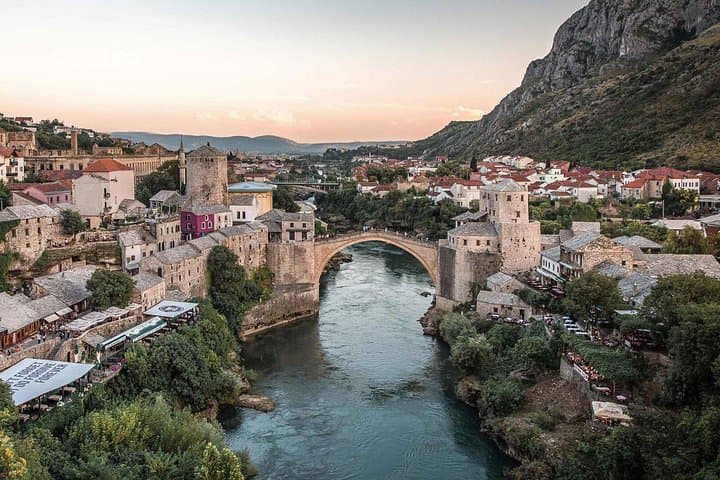
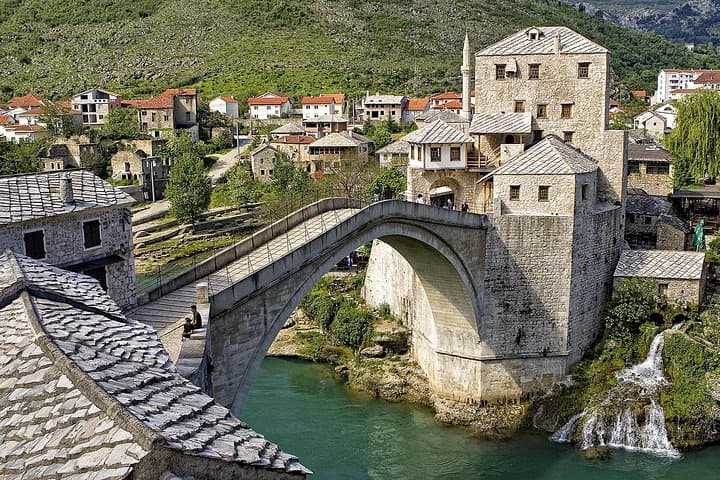
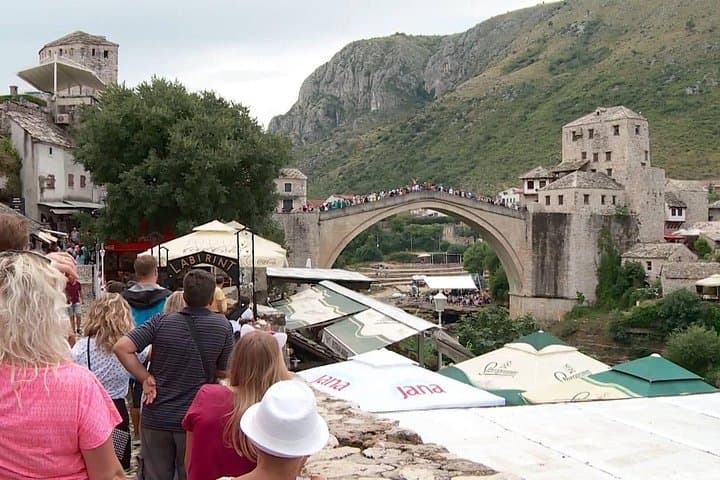
You arrive in Mostar at dawn; the Neretva river pushes a cold clarity through the city and the old bridge pins the skyline like a practiced gesture. Cobblestones cool underfoot as a private guide leads you through the Old Bazaar, where Ottoman arches and Austro-Hungarian facades sit in plain conversation.
Verified experiences and guided adventures in the surrounding area.
Operated by NowBosnia · Mostar, Herzegovina-Neretva Canton
You arrive in Mostar at dawn; the Neretva river pushes a cold clarity through the city and the old bridge pins the skyline like a practiced gesture. Cobblestones cool underfoot as a private guide leads you through the Old Bazaar, where Ottoman arches and Austro-Hungarian facades sit in plain conversation.
Over three days the itinerary moves from living urban history to karst springs and Roman stones. At Blagaj the Buna spring disgorges into a turquoise pool beneath vertical cliffs; the 16th‑century tekija (Dervish monastery) perches beside it in Ottoman stonework, its wood-beamed terraces and whispering water offering context to centuries of religious and rural life. Downriver, Počitelj’s ramparts and minaret mark the layered rule of medieval dukes and Ottoman governors. At Mogorjelo you stand among the ruins of a Roman villa rustica, where mosaic-less foundations still map ancient agricultural trade. Kravica waterfall closes the loop—an 25‑meter tufa cascade that draws swimmers and picnickers to its semicircular plunge pool.
Practically: Mostar is the logical base for accommodation, with short drives (20–40 minutes) between highlights. Expect light to moderate walking on uneven surfaces, short stair climbs at historic sites, and seasonal crowds at Kravica. Carry a refillable water bottle—the karst springs are potable in places but not everywhere—and bring footwear with grip for wet stone.
Culturally, sample Herzegovinian wines and slow-cooked stews; locally run wineries near Čitluk make excellent stops. Respect protected springs and private archaeological sites, and time Kravica for early morning or late afternoon to avoid peak heat and buses.
Mostar is the base for accommodations; specific hotel class depends on booking package and is arranged per your reservation.
Some karst springs like parts of the Buna are traditionally potable, but follow guide advice and use refilled or bottled water when in doubt.
Yes—this private tour notes stroller accessibility and infant seats; expect some walking and stairs at sites.
The itinerary includes World Heritage site access and some meals as listed (breakfasts, lunches, dinners) but confirm exact inclusions with the operator at booking.
NowBosnia operates guided outdoor trips and adventures with an emphasis on safety, stewardship, and memorable experiences.
You arrive in Mostar at dawn; the Neretva river pushes a cold clarity through the city and the old bridge pins the skyline like a practiced gesture. Cobblestones cool underfoot as a private guide leads you through the Old Bazaar, where Ottoman arches and Austro-Hungarian facades sit in plain conversation.
You arrive in Mostar at dawn; the Neretva river pushes a cold clarity through the city and the old bridge pins the skyline like a practiced gesture. Cobblestones cool underfoot as a private guide leads you through the Old Bazaar, where Ottoman arches and Austro-Hungarian facades sit in plain conversation.
Over three days the itinerary moves from living urban history to karst springs and Roman stones. At Blagaj the Buna spring disgorges into a turquoise pool beneath vertical cliffs; the 16th‑century tekija (Dervish monastery) perches beside it in Ottoman stonework, its wood-beamed terraces and whispering water offering context to centuries of religious and rural life. Downriver, Počitelj’s ramparts and minaret mark the layered rule of medieval dukes and Ottoman governors. At Mogorjelo you stand among the ruins of a Roman villa rustica, where mosaic-less foundations still map ancient agricultural trade. Kravica waterfall closes the loop—an 25‑meter tufa cascade that draws swimmers and picnickers to its semicircular plunge pool.
Practically: Mostar is the logical base for accommodation, with short drives (20–40 minutes) between highlights. Expect light to moderate walking on uneven surfaces, short stair climbs at historic sites, and seasonal crowds at Kravica. Carry a refillable water bottle—the karst springs are potable in places but not everywhere—and bring footwear with grip for wet stone.
Culturally, sample Herzegovinian wines and slow-cooked stews; locally run wineries near Čitluk make excellent stops. Respect protected springs and private archaeological sites, and time Kravica for early morning or late afternoon to avoid peak heat and buses.