THE ADVENTURE COLLECTIVE® · Independent discovery and booking for outdoor travel

Three days of highland roads, Basotho villages, rock art and one of Africa’s highest single-drop falls. This compact overland loop from Underberg/Himeville packs geology, culture and dramatic mountain driving into an accessible itinerary.
Three days of highland roads, Basotho villages, rock art and one of Africa’s highest single-drop falls. This compact overland loop from Underberg/Himeville packs geology, culture and dramatic mountain driving into an accessible itinerary.
You kick off before dawn on the Sani Road, diesel and mountain air cutting sharp as the minibus works its way up toward the border. The ascent tightens: hairpins, outcrops, a view that opens like a page—rock ribs, low scrub and, beyond the ridge, the high plains of Lesotho laid out under a big sky.
Verified experiences and guided adventures in the surrounding area.
Operated by Roof of Africa Tours · Himeville, KwaZulu-Natal
You kick off before dawn on the Sani Road, diesel and mountain air cutting sharp as the minibus works its way up toward the border. The ascent tightens: hairpins, outcrops, a view that opens like a page—rock ribs, low scrub and, beyond the ridge, the high plains of Lesotho laid out under a big sky.
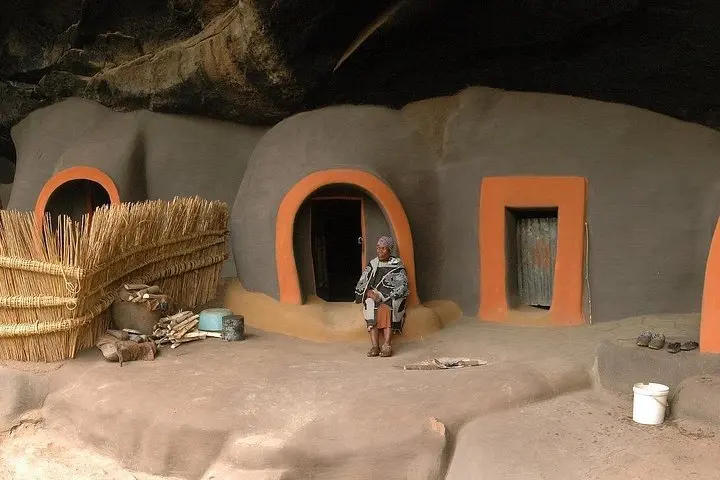
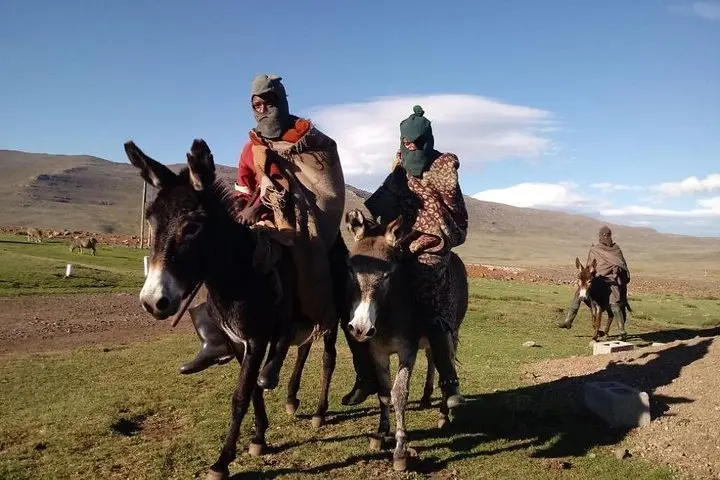
This three-day loop threads cultural stops and geology into compact days. You cross the Sani Pass—often called the Roof of Africa—where the border sits at high altitude and 4x4 traction becomes more than comfort; it’s practical. In Hlotse and Maseru you'll see colonial-era buildings meet bustling town life; Thaba Bosiu offers a short, steep walk to the plateau that shaped Basotho nationhood. The Kome Caves and the modern cave dwellers around them reveal uses of rock shelter that span centuries.
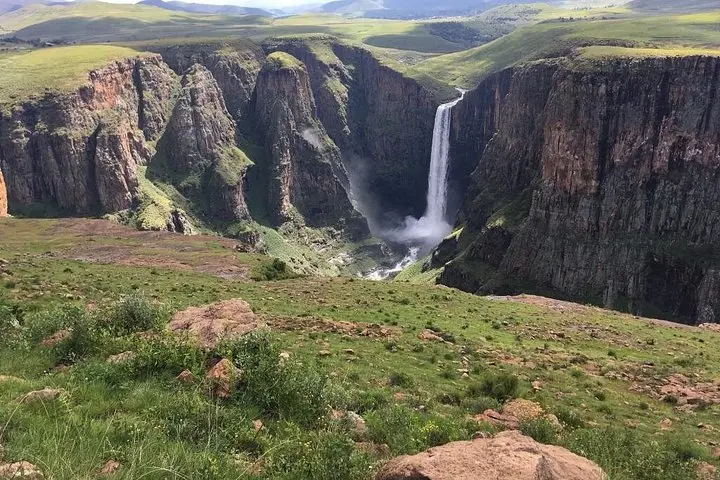
Geology here is blunt: sandstone mesas, basalt sheets, and old stream beds that preserve dinosaur footprints in the Subeng stream. Maletsunyane Falls near Semonkong drops roughly 192 meters—a single, thundering plunge that defines the valley.
Practical edge: expect long drives on gravel and dirt, frequent altitude shifts and simple lodgings in guesthouses and a lodge at Semonkong. Carry a valid passport for the border crossing, layered clothing for rapidly changing weather, sturdy boots for short walks to viewpoints, and cash (South African rand and some Maloti acceptance). Plan for variable phone signal; the routes reward patience with raw mountain panoramas and hands-on cultural exchanges with Basotho hosts.
The pass is steep and rough; operators use high-clearance vehicles. You don’t need to drive yourself—book with providers who supply suitable transport.
South African rand is widely used; Lesotho’s Maloti is accepted too. Carry small notes for rural purchases and tipping.
Expect a routine passport check and entry stamps; queues vary with season—arrive early to avoid delays.
The operator notes it’s not recommended for pregnant travelers; for children, consider the long drives and altitude before booking.
Roof of Africa Tours operates guided outdoor trips and adventures with an emphasis on safety, stewardship, and memorable experiences.
You kick off before dawn on the Sani Road, diesel and mountain air cutting sharp as the minibus works its way up toward the border. The ascent tightens: hairpins, outcrops, a view that opens like a page—rock ribs, low scrub and, beyond the ridge, the high plains of Lesotho laid out under a big sky.
You kick off before dawn on the Sani Road, diesel and mountain air cutting sharp as the minibus works its way up toward the border. The ascent tightens: hairpins, outcrops, a view that opens like a page—rock ribs, low scrub and, beyond the ridge, the high plains of Lesotho laid out under a big sky.
This three-day loop threads cultural stops and geology into compact days. You cross the Sani Pass—often called the Roof of Africa—where the border sits at high altitude and 4x4 traction becomes more than comfort; it’s practical. In Hlotse and Maseru you'll see colonial-era buildings meet bustling town life; Thaba Bosiu offers a short, steep walk to the plateau that shaped Basotho nationhood. The Kome Caves and the modern cave dwellers around them reveal uses of rock shelter that span centuries.
Geology here is blunt: sandstone mesas, basalt sheets, and old stream beds that preserve dinosaur footprints in the Subeng stream. Maletsunyane Falls near Semonkong drops roughly 192 meters—a single, thundering plunge that defines the valley.
Practical edge: expect long drives on gravel and dirt, frequent altitude shifts and simple lodgings in guesthouses and a lodge at Semonkong. Carry a valid passport for the border crossing, layered clothing for rapidly changing weather, sturdy boots for short walks to viewpoints, and cash (South African rand and some Maloti acceptance). Plan for variable phone signal; the routes reward patience with raw mountain panoramas and hands-on cultural exchanges with Basotho hosts.