THE ADVENTURE COLLECTIVE® · Independent discovery and booking for outdoor travel

A three-day trek through Zagori’s stone villages and the Vikos Gorge, combining beech forests, ancient stone bridges and natural pools. Expect 4–7 hours of hiking per day on varied terrain, with village guesthouses each night.
A three-day trek through Zagori’s stone villages and the Vikos Gorge, combining beech forests, ancient stone bridges and natural pools. Expect 4–7 hours of hiking per day on varied terrain, with village guesthouses each night.
Morning light spills across the stone flag in Kipoi as a small group gathers beneath chestnut trees — boots tighten, guide briefs the route, and the old Plakida bridge waits like a doorway into the gorge.
Verified experiences and guided adventures in the surrounding area.
Operated by Greek Adventure · Monodendri, Epirus
Morning light spills across the stone flag in Kipoi as a small group gathers beneath chestnut trees — boots tighten, guide briefs the route, and the old Plakida bridge waits like a doorway into the gorge.
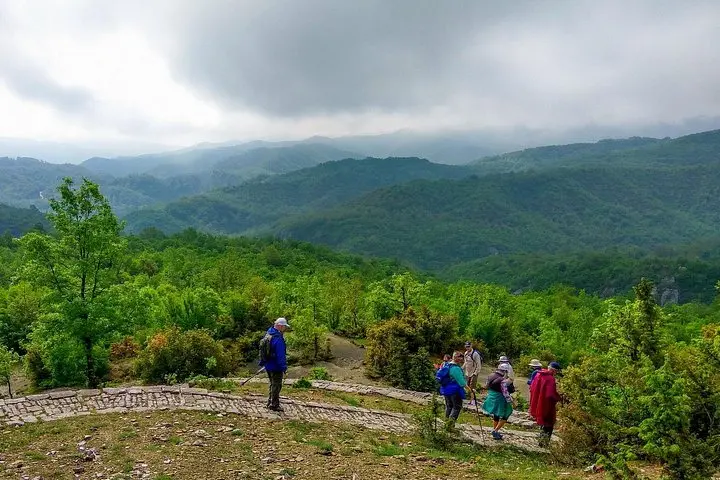
Over three days the itinerary moves from village squares to beech forests, down ancient stone steps into Vikos Gorge, and up to the red Lithari with expansive views toward the Albanian ranges. Trail surfaces alternate between packed dirt, long limestone slabs, and old cobbled mule tracks; streams dare you to linger at natural pools while currents push the day forward.
This corner of Epirus sits inside Vjosa–Aoös and Vikos–Aoös National Park and is part of the UNESCO Geopark network — a landscape carved by rivers and ice, with cultural layers of 14th–19th century stonework and monasteries hewn into cliffs. Villages such as Monodendri, Vitsa and Papingo preserve Zagori’s signature built heritage: stone houses, arched bridges and narrow alleys shaped by mountain life.
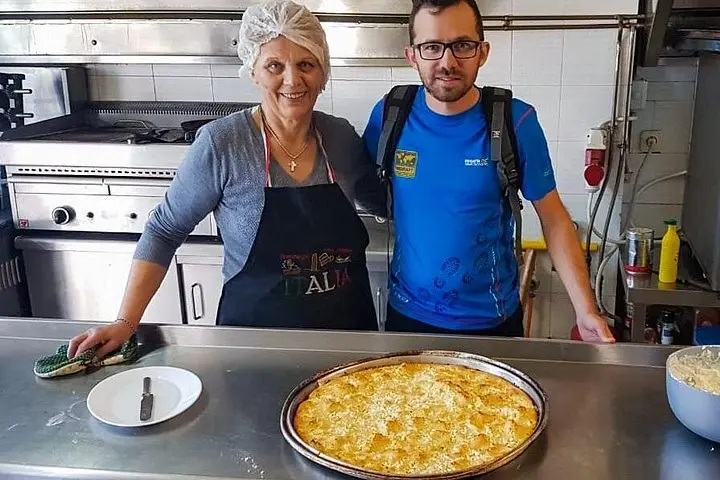
Practical guidance: daily distances range from 8–12 km with single-day elevation gains up to ~700 m and sustained descents of similar magnitude; expect 4–7 hours on trail per day. Trails are well-marked but steep in sections — trekking poles help on long descents. Carry at least 2–3 liters of water, layered clothing for quick weather swings, and cash for village tavernas. Accommodation is in simple guesthouses or three-star inns; routes finish at small villages where local pies and homemade wine are reward enough.
This trip blends geology, culture and sustained hiking: come prepared, move deliberately, and allow time to listen to the gorge.
Daily segments range 8–12 km with up to ~700 m elevation gain; they are moderate in difficulty and require comfortable walking fitness but no technical climbing.
Nights are spent in small guesthouses or three-star hotels in Monodendri and Megalo/Mikro Papigo with basic comforts and local meals.
The trip includes an experienced English-speaking local guide who navigates the trails, shares local history and handles transfers between villages.
Yes — the tour notes suitability for most fitness levels, but participants with significant mobility, spinal or heart issues should avoid it.
Greek Adventure operates guided outdoor trips and adventures with an emphasis on safety, stewardship, and memorable experiences.
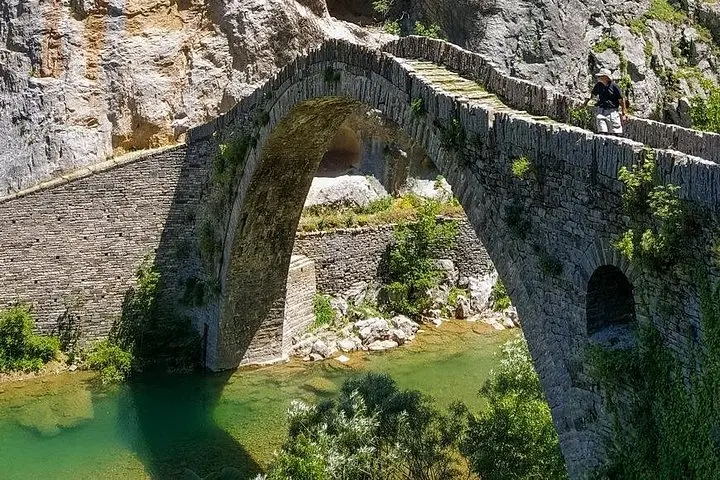
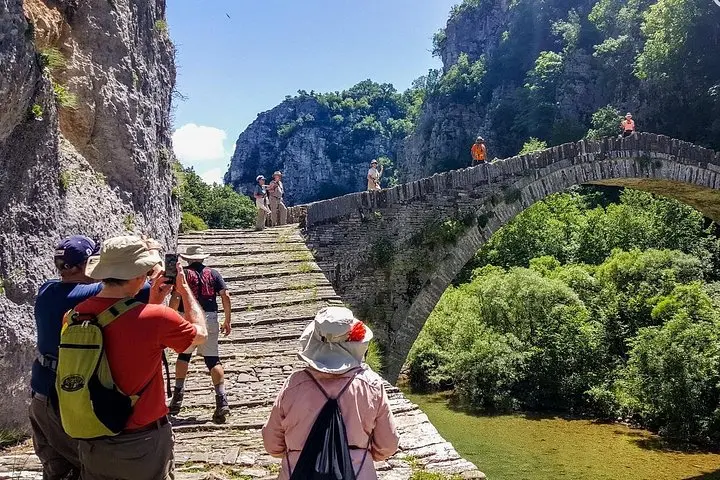
Morning light spills across the stone flag in Kipoi as a small group gathers beneath chestnut trees — boots tighten, guide briefs the route, and the old Plakida bridge waits like a doorway into the gorge.
Morning light spills across the stone flag in Kipoi as a small group gathers beneath chestnut trees — boots tighten, guide briefs the route, and the old Plakida bridge waits like a doorway into the gorge.
Over three days the itinerary moves from village squares to beech forests, down ancient stone steps into Vikos Gorge, and up to the red Lithari with expansive views toward the Albanian ranges. Trail surfaces alternate between packed dirt, long limestone slabs, and old cobbled mule tracks; streams dare you to linger at natural pools while currents push the day forward.
This corner of Epirus sits inside Vjosa–Aoös and Vikos–Aoös National Park and is part of the UNESCO Geopark network — a landscape carved by rivers and ice, with cultural layers of 14th–19th century stonework and monasteries hewn into cliffs. Villages such as Monodendri, Vitsa and Papingo preserve Zagori’s signature built heritage: stone houses, arched bridges and narrow alleys shaped by mountain life.
Practical guidance: daily distances range from 8–12 km with single-day elevation gains up to ~700 m and sustained descents of similar magnitude; expect 4–7 hours on trail per day. Trails are well-marked but steep in sections — trekking poles help on long descents. Carry at least 2–3 liters of water, layered clothing for quick weather swings, and cash for village tavernas. Accommodation is in simple guesthouses or three-star inns; routes finish at small villages where local pies and homemade wine are reward enough.
This trip blends geology, culture and sustained hiking: come prepared, move deliberately, and allow time to listen to the gorge.