THE ADVENTURE COLLECTIVE® · Independent discovery and booking for outdoor travel

This three-day Huayhuash mini trek links Rondoy, Sambunya Pass and Jahuacocha, delivering steep passes, glacial lakes and high-altitude camping. Ideal for trekkers who want a condensed taste of the Cordillera Huayhuash with guided support and tents provided.
This three-day Huayhuash mini trek links Rondoy, Sambunya Pass and Jahuacocha, delivering steep passes, glacial lakes and high-altitude camping. Ideal for trekkers who want a condensed taste of the Cordillera Huayhuash with guided support and tents provided.
A cold wind pushes up from the glacial teeth of the Huayhuash range as you step out of the dusty minibus — the air thin, the light sharp. On this three-day mini trek you trade crowded roads for moraine-scalloped trails, moving between high camps and clear alpine lakes that reflect vertical walls of ice. Day one climbs you into the rim of the range and deposits you at Rondoy (≈4,200 m), a place where tents hunker under wind and evening shows Yerupaja’s north face in bruised pink.
Verified experiences and guided adventures in the surrounding area.
Operated by Peru Bergsport · Huaraz, Ancash
A cold wind pushes up from the glacial teeth of the Huayhuash range as you step out of the dusty minibus — the air thin, the light sharp. On this three-day mini trek you trade crowded roads for moraine-scalloped trails, moving between high camps and clear alpine lakes that reflect vertical walls of ice. Day one climbs you into the rim of the range and deposits you at Rondoy (≈4,200 m), a place where tents hunker under wind and evening shows Yerupaja’s north face in bruised pink.
The Cordillera Huayhuash formed from uplift and glacial sculpting; peaks of granite and schist rise abruptly from troughs that collect turquoise lakes. The landscape has long been part of Quechua highland life—pastoral pampa, seasonal alpaca herds, and mountain shrines still visited by local communities.
Practically: expect hiking at altitude with single-day ascents to ~4,800 m on the Sambunya Pass (≈600 m gain from camp), rocky trail, scree descents, and established campsites at Jahuacocha and Rondoy. Guides typically provide tents and meals; water requires filtering or treatment.
Move deliberately to manage altitude—short, steady steps and frequent sips. Footwear should be broken-in boots with ankle support; pack a warm sleeping bag and layers for wide diurnal swings. Start in Huaraz to acclimatize a day or two if possible.
This mini-circuit compresses the dramatic core of Huayhuash into three days: high passes daring you, lakes holding still like glass, and mountain faces that command attention. It’s compact, demanding, and deeply rewarding for trekkers ready for thin air and big views.
The Sambunya Pass reaches about 4,800 m with roughly 600 m of ascent from camp; expect steep switchbacks and loose scree—paced trekking over several hours makes it manageable.
Yes — the tour typically includes two-person tents and three meals on the itinerary days; bring snacks and personal snacks if you prefer more calories.
May–September is the dry season with clearer skies and more stable trails; daylight and temperatures vary with altitude, but mornings can be icy year-round.
Acute Mountain Sickness is a real risk above 3,500 m; acclimatize in Huaraz, hydrate, ascend slowly, and notify guides at early symptoms—descend if symptoms worsen.
Peru Bergsport operates guided outdoor trips and adventures with an emphasis on safety, stewardship, and memorable experiences.
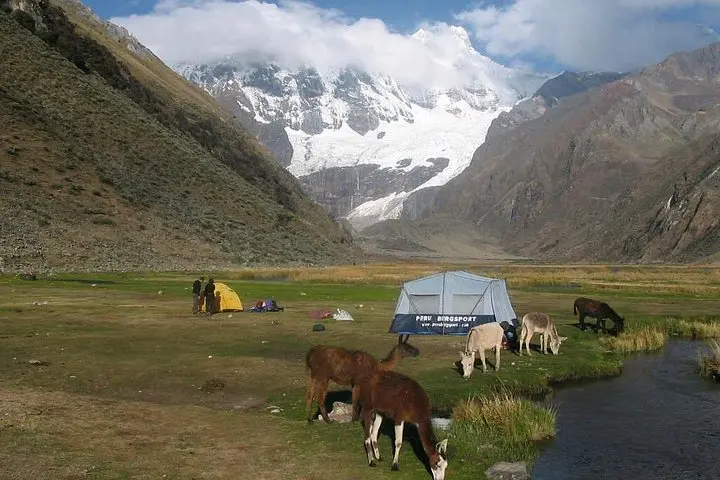
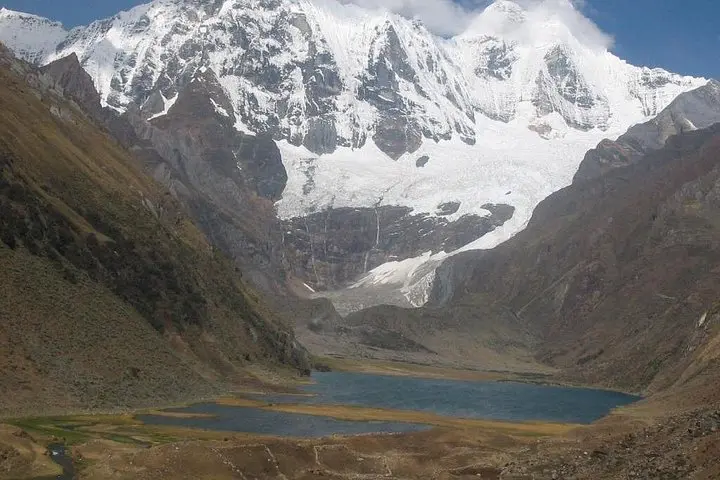
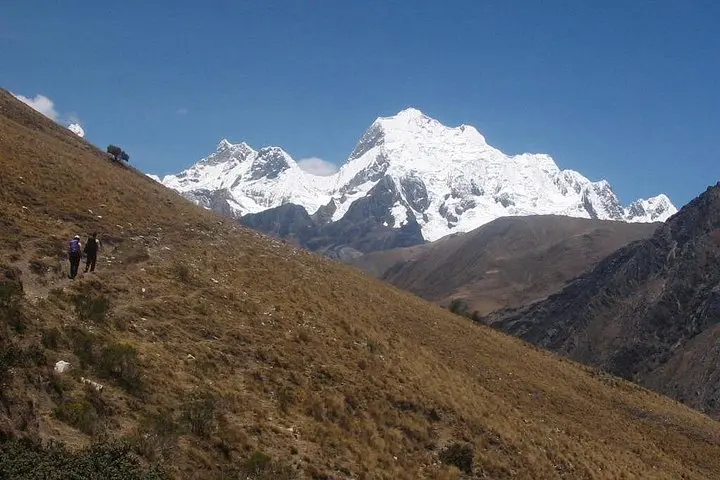
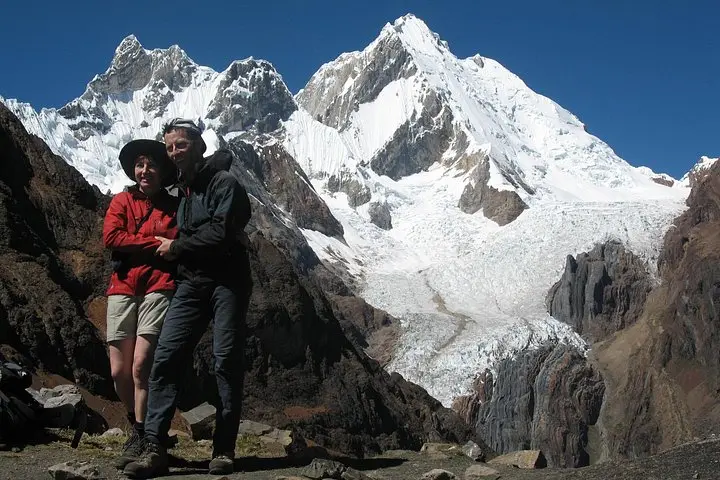
A cold wind pushes up from the glacial teeth of the Huayhuash range as you step out of the dusty minibus — the air thin, the light sharp. On this three-day mini trek you trade crowded roads for moraine-scalloped trails, moving between high camps and clear alpine lakes that reflect vertical walls of ice. Day one climbs you into the rim of the range and deposits you at Rondoy (≈4,200 m), a place where tents hunker under wind and evening shows Yerupaja’s north face in bruised pink.
A cold wind pushes up from the glacial teeth of the Huayhuash range as you step out of the dusty minibus — the air thin, the light sharp. On this three-day mini trek you trade crowded roads for moraine-scalloped trails, moving between high camps and clear alpine lakes that reflect vertical walls of ice. Day one climbs you into the rim of the range and deposits you at Rondoy (≈4,200 m), a place where tents hunker under wind and evening shows Yerupaja’s north face in bruised pink.
The Cordillera Huayhuash formed from uplift and glacial sculpting; peaks of granite and schist rise abruptly from troughs that collect turquoise lakes. The landscape has long been part of Quechua highland life—pastoral pampa, seasonal alpaca herds, and mountain shrines still visited by local communities.
Practically: expect hiking at altitude with single-day ascents to ~4,800 m on the Sambunya Pass (≈600 m gain from camp), rocky trail, scree descents, and established campsites at Jahuacocha and Rondoy. Guides typically provide tents and meals; water requires filtering or treatment.
Move deliberately to manage altitude—short, steady steps and frequent sips. Footwear should be broken-in boots with ankle support; pack a warm sleeping bag and layers for wide diurnal swings. Start in Huaraz to acclimatize a day or two if possible.
This mini-circuit compresses the dramatic core of Huayhuash into three days: high passes daring you, lakes holding still like glass, and mountain faces that command attention. It’s compact, demanding, and deeply rewarding for trekkers ready for thin air and big views.