THE ADVENTURE COLLECTIVE® · Independent discovery and booking for outdoor travel

Three days of driving, glacier hiking and ice-cave exploration from Reykjavík—this trip stitches the Golden Circle to the south coast’s ice-sculpted landscapes. Expect blue caves, glacier boots, and long stretches of road that reward patience with aurora-lit skies.
Three days of driving, glacier hiking and ice-cave exploration from Reykjavík—this trip stitches the Golden Circle to the south coast’s ice-sculpted landscapes. Expect blue caves, glacier boots, and long stretches of road that reward patience with aurora-lit skies.
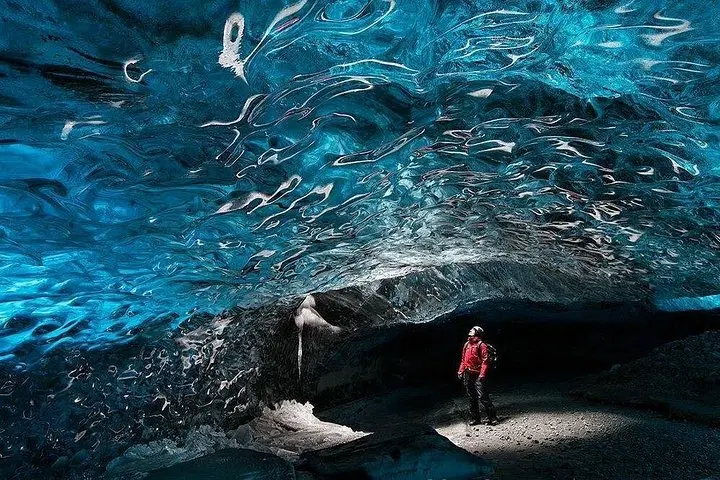
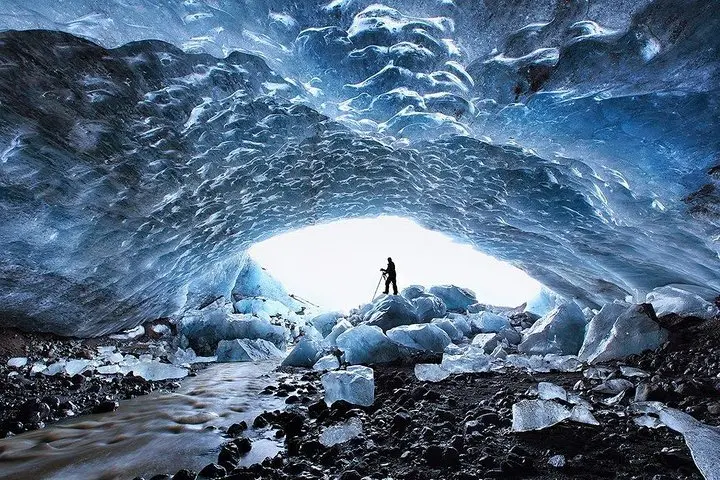
You step off the minibus into a wind that rearranges your thoughts. Black sand hisses beneath your boots and a blue cave yawns at the edge of a glacier, light filtering through like a second sky. This is the south coast of Iceland in miniature: a place where fire-carved rock meets slow-moving ice, where a single road threads enormous features into a compact, three-day loop.
Verified experiences and guided adventures in the surrounding area.
Operated by Guide to Iceland · Reykjavík, Reykjavík
You step off the minibus into a wind that rearranges your thoughts. Black sand hisses beneath your boots and a blue cave yawns at the edge of a glacier, light filtering through like a second sky. This is the south coast of Iceland in miniature: a place where fire-carved rock meets slow-moving ice, where a single road threads enormous features into a compact, three-day loop.
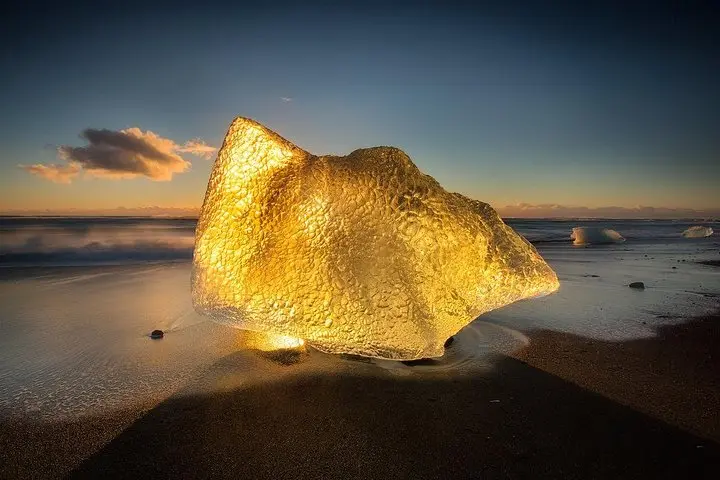
Day one unfolds on the Golden Circle—Þingvellir’s rift valley where the North American and Eurasian plates are pulling apart, Geysir’s punctual bursts, and Gullfoss, which throws itself into a gorge with impatient force. The next day is shoreline and ice: Seljalandsfoss and Skógafoss drop from basalt cliffs, Reynisfjara’s columnar basalt stands like a crowd of dark pillars, and then you trade sand for glacier. On day two you lace up crampons and cross crevassed blue—guided glacier hiking that typically covers 3–5 km with modest elevation gain (≈100–200 m) over 2 hours of on-ice walking. The tour peaks with Jökulsárlón’s floating icebergs and the glittering strewn diamonds on the adjacent beach. On the final morning your guide leads you into an ice cave: a sculpted interior of compacted snow and blue that demands a flashlight and a steady step.
Geology here is theatrical. Volcanic eruptions build the plateaus the rivers carve through; glaciers grind and bulldoze the coast, leaving lagoons of ice that calve into the sea. Culturally the route touches sites central to Icelandic identity—Þingvellir was an early parliament site—and towns like Hvolsvöllur and Höfn keep a long coastal fishing tradition.
Practical guidance: the days are long and the driving can add up—expect several hours behind the wheel between Reykjavík and Jökulsárlón (roughly 4–5 hours each way). The glacier hike is guided and equipment is provided, but bring stiff-soled, waterproof boots and warm layers. Dress in windproof outer layers; wind changes the thermal math faster than you can count photos. Hydrate and eat well—cold weather increases calorie burn and concentration demands on uneven ice.
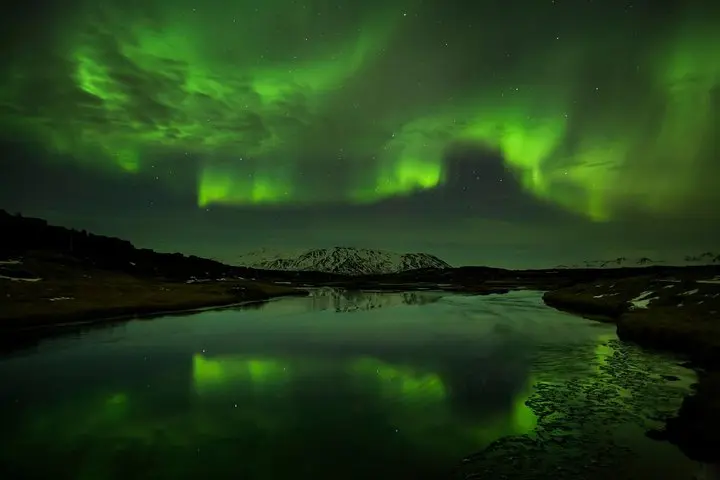
Timing matters: if the aurora forecast is favorable, nights in quieter coastal accommodations give you the best chance to step outside and watch the sky pull green across the horizon. For photographers, sunrise and the low light on the lagoon are the payoff. For anyone who’s never been on ice, the trip is both a crash-course in glaciology and a practical adventure: follow the guide, mind the signs, and you’ll come home with ice in your memory and mud on your boots.
No. The hike is guided and instructors teach crampon and ice-axe basics; however you should be comfortable walking on uneven, icy terrain.
Hotel pickup is available in Reykjavík on day one; airport pickup is not typically included—arrange local transfer to your Reykjavík hotel first.
Operators usually allow participants aged 8+ for general sightseeing; glacier activities may have higher age or fitness requirements—check when booking.
Northern Lights are seasonal and weather-dependent. The tour runs aurora-friendly nights, but sightings are not guaranteed.
Basic glacier gear—crampons, helmets, and ice axes—are generally provided by the local operator; bring your own boots and layers.
Tours can be canceled for safety if weather is severe; full refunds are available if canceled at least 24 hours before departure per the operator policy.
Guide to Iceland operates guided outdoor trips and adventures with an emphasis on safety, stewardship, and memorable experiences.
You step off the minibus into a wind that rearranges your thoughts. Black sand hisses beneath your boots and a blue cave yawns at the edge of a glacier, light filtering through like a second sky. This is the south coast of Iceland in miniature: a place where fire-carved rock meets slow-moving ice, where a single road threads enormous features into a compact, three-day loop.
You step off the minibus into a wind that rearranges your thoughts. Black sand hisses beneath your boots and a blue cave yawns at the edge of a glacier, light filtering through like a second sky. This is the south coast of Iceland in miniature: a place where fire-carved rock meets slow-moving ice, where a single road threads enormous features into a compact, three-day loop.
Day one unfolds on the Golden Circle—Þingvellir’s rift valley where the North American and Eurasian plates are pulling apart, Geysir’s punctual bursts, and Gullfoss, which throws itself into a gorge with impatient force. The next day is shoreline and ice: Seljalandsfoss and Skógafoss drop from basalt cliffs, Reynisfjara’s columnar basalt stands like a crowd of dark pillars, and then you trade sand for glacier. On day two you lace up crampons and cross crevassed blue—guided glacier hiking that typically covers 3–5 km with modest elevation gain (≈100–200 m) over 2 hours of on-ice walking. The tour peaks with Jökulsárlón’s floating icebergs and the glittering strewn diamonds on the adjacent beach. On the final morning your guide leads you into an ice cave: a sculpted interior of compacted snow and blue that demands a flashlight and a steady step.
Geology here is theatrical. Volcanic eruptions build the plateaus the rivers carve through; glaciers grind and bulldoze the coast, leaving lagoons of ice that calve into the sea. Culturally the route touches sites central to Icelandic identity—Þingvellir was an early parliament site—and towns like Hvolsvöllur and Höfn keep a long coastal fishing tradition.
Practical guidance: the days are long and the driving can add up—expect several hours behind the wheel between Reykjavík and Jökulsárlón (roughly 4–5 hours each way). The glacier hike is guided and equipment is provided, but bring stiff-soled, waterproof boots and warm layers. Dress in windproof outer layers; wind changes the thermal math faster than you can count photos. Hydrate and eat well—cold weather increases calorie burn and concentration demands on uneven ice.
Timing matters: if the aurora forecast is favorable, nights in quieter coastal accommodations give you the best chance to step outside and watch the sky pull green across the horizon. For photographers, sunrise and the low light on the lagoon are the payoff. For anyone who’s never been on ice, the trip is both a crash-course in glaciology and a practical adventure: follow the guide, mind the signs, and you’ll come home with ice in your memory and mud on your boots.