THE ADVENTURE COLLECTIVE® · Independent discovery and booking for outdoor travel

A compact three-day circuit through Jaipur’s royal sights, Ranthambore’s jeep safaris and sunrise at the Taj Mahal. Expect early drives, passport-based safari permits, and a mix of cultural tours and wildlife watching.
A compact three-day circuit through Jaipur’s royal sights, Ranthambore’s jeep safaris and sunrise at the Taj Mahal. Expect early drives, passport-based safari permits, and a mix of cultural tours and wildlife watching.
The morning light in Ranthambore arrives like an invitation: dry scrublands stir, peacocks call, and dusty tracks lead toward the silhouette of Ranthambore Fort. Over three days, travelers move from Jaipur’s pink sandstone façades through tiger country to the marble hush of the Taj Mahal—each landscape demanding a different pace and attention.
Verified experiences and guided adventures in the surrounding area.
Operated by Namaste Jaipur Tours · Jaipur, Rajasthan
The morning light in Ranthambore arrives like an invitation: dry scrublands stir, peacocks call, and dusty tracks lead toward the silhouette of Ranthambore Fort. Over three days, travelers move from Jaipur’s pink sandstone façades through tiger country to the marble hush of the Taj Mahal—each landscape demanding a different pace and attention.
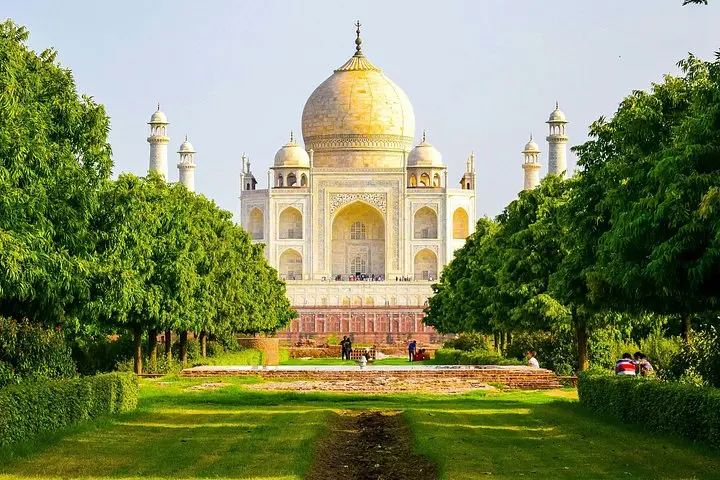
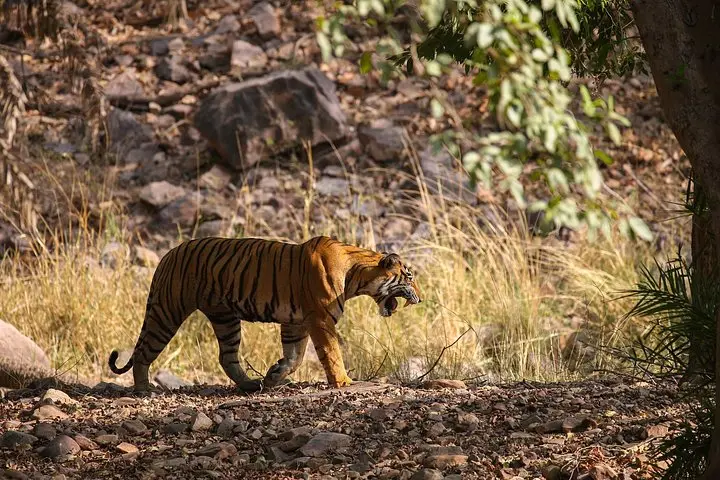
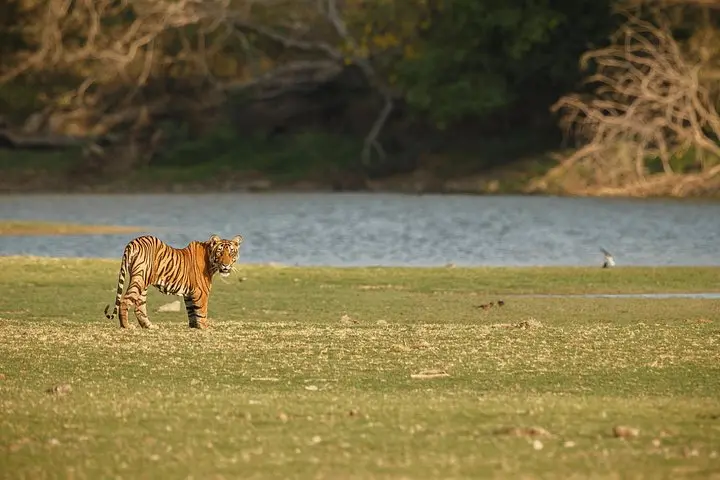
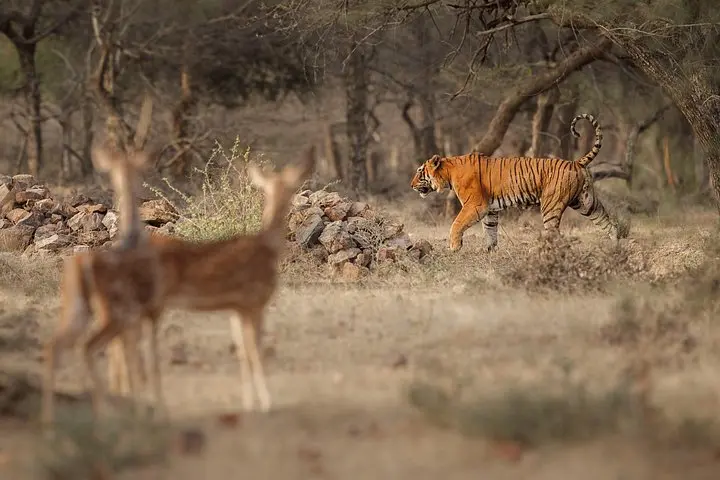
Jaipur, founded in the 18th century, displays Rajput palaces and astronomical instruments that speak to princely ambition. Ranthambore sits on the dry deciduous edge of the Aravalli hills; its fort—older than the modern state—anchors a park that was once royal hunting grounds and today is a Project Tiger reserve. Agra’s Mughal monuments, led by the 17th-century Taj Mahal and Agra Fort, close the loop on a history of empire, craft, and riverine sites along the Yamuna.
Practically, expect two early-morning safaris (jeep), long road transfers (Jaipur–Ranthambore ~3–4 hrs; Ranthambore–Agra ~5–6 hrs), and 3-star hotel nights in Ranthambore and Agra. Safari permits require passport details in advance; sightings of tigers are thrilling but never guaranteed. Wear sturdy shoes for palace walks, carry layered clothing for cold pre-dawn safaris, and bring sun and water for open drives. Local guides shape the experience—ask about private entry times, quiet viewing spots at Mehtab Bagh for Taj views, and how to minimize disturbance during wildlife encounters. This route balances cultural immersion with focused wildlife viewing, making it a compact, actionable introduction to Rajasthan’s royal cities and Central India’s wild heart.
No—tiger sightings depend on animal movements and luck; parks maximize encounter chances by scheduling morning drives and deploying experienced trackers.
Yes—Ranthambore safari bookings require a passport copy in advance per forest department rules, and ID will be checked at some entry points.
Yes—the itinerary offers flexible drop-off in Agra or Delhi; specify preferred endpoint when booking to arrange transfers.
Wear modest, comfortable clothing and flat shoes for walking; avoid drone use and follow monument photography rules.
Namaste Jaipur Tours operates guided outdoor trips and adventures with an emphasis on safety, stewardship, and memorable experiences.
The morning light in Ranthambore arrives like an invitation: dry scrublands stir, peacocks call, and dusty tracks lead toward the silhouette of Ranthambore Fort. Over three days, travelers move from Jaipur’s pink sandstone façades through tiger country to the marble hush of the Taj Mahal—each landscape demanding a different pace and attention.
The morning light in Ranthambore arrives like an invitation: dry scrublands stir, peacocks call, and dusty tracks lead toward the silhouette of Ranthambore Fort. Over three days, travelers move from Jaipur’s pink sandstone façades through tiger country to the marble hush of the Taj Mahal—each landscape demanding a different pace and attention.
Jaipur, founded in the 18th century, displays Rajput palaces and astronomical instruments that speak to princely ambition. Ranthambore sits on the dry deciduous edge of the Aravalli hills; its fort—older than the modern state—anchors a park that was once royal hunting grounds and today is a Project Tiger reserve. Agra’s Mughal monuments, led by the 17th-century Taj Mahal and Agra Fort, close the loop on a history of empire, craft, and riverine sites along the Yamuna.
Practically, expect two early-morning safaris (jeep), long road transfers (Jaipur–Ranthambore ~3–4 hrs; Ranthambore–Agra ~5–6 hrs), and 3-star hotel nights in Ranthambore and Agra. Safari permits require passport details in advance; sightings of tigers are thrilling but never guaranteed. Wear sturdy shoes for palace walks, carry layered clothing for cold pre-dawn safaris, and bring sun and water for open drives. Local guides shape the experience—ask about private entry times, quiet viewing spots at Mehtab Bagh for Taj views, and how to minimize disturbance during wildlife encounters. This route balances cultural immersion with focused wildlife viewing, making it a compact, actionable introduction to Rajasthan’s royal cities and Central India’s wild heart.