THE ADVENTURE COLLECTIVE® · Independent discovery and booking for outdoor travel

Move from Indore’s bustle to the sacred rhythms of Mahakaleshwar and Omkareshwar, then trace Holkar fortifications and Afghan-era palaces at Mandu. This private 3-day tour blends temple ritual, riverside ghats, and evocative ruins.
Move from Indore’s bustle to the sacred rhythms of Mahakaleshwar and Omkareshwar, then trace Holkar fortifications and Afghan-era palaces at Mandu. This private 3-day tour blends temple ritual, riverside ghats, and evocative ruins.
Morning light finds the road out of Indore stretching across flat farmlands as the van threads toward Ujjain, where temple bells set the rhythm. At Mahakaleshwar the air tightens with incense and the pulse of ritual; stone tiers and carved pillars hold the steady business of worship while priests perform the Bhasma Arti in a space that has drawn pilgrims for centuries.
Verified experiences and guided adventures in the surrounding area.
Operated by Agora Voyages Pvt. Ltd. · Indore, Madhya Pradesh
Morning light finds the road out of Indore stretching across flat farmlands as the van threads toward Ujjain, where temple bells set the rhythm. At Mahakaleshwar the air tightens with incense and the pulse of ritual; stone tiers and carved pillars hold the steady business of worship while priests perform the Bhasma Arti in a space that has drawn pilgrims for centuries.
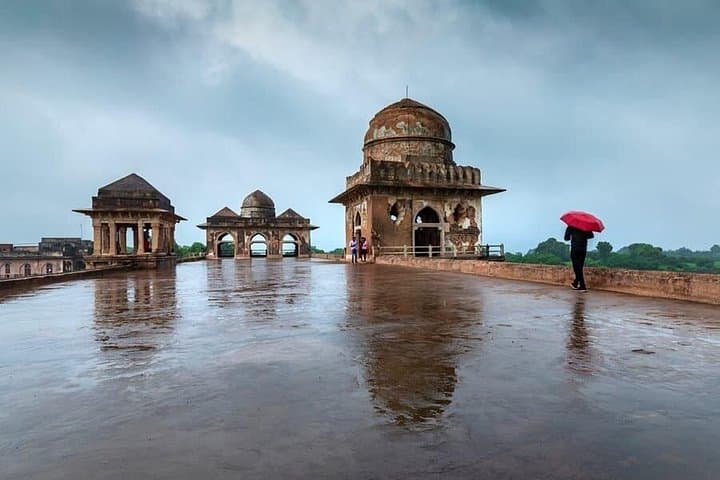
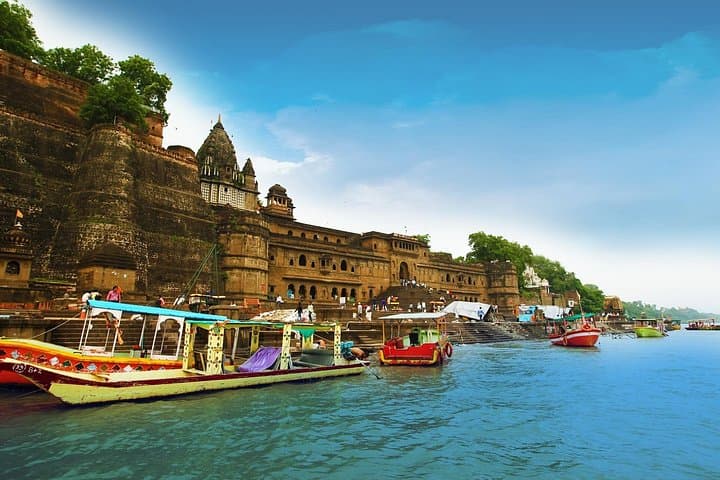
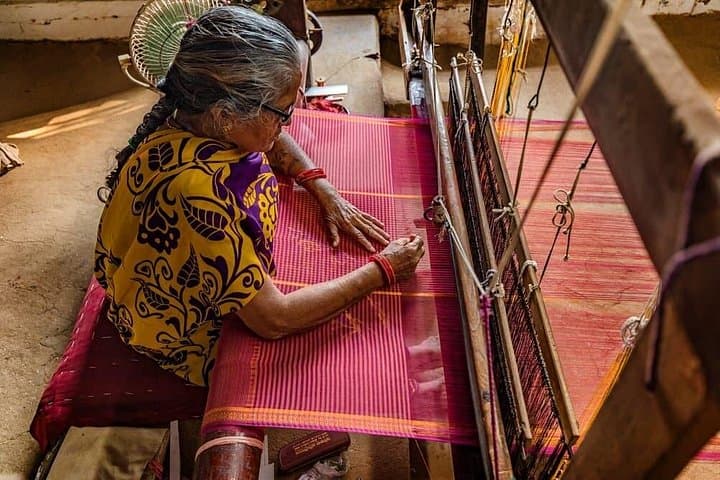
The tour moves from riverside devotion to island sanctity at Omkareshwar, where the Narmada shapes both ritual and settlement — its current a constant companion, daring visitors to pause at ghats and feel the river’s slow insistence. Maheshwar’s fortified banks and Holkar-era ghats reveal a living craft tradition: handloom weaves, stepped bathing areas, and fort walls with functional polished stone. Mandu closes the loop with Afghan-style arches, Jahaz Mahal’s reflected profile on placid lakes, and hilltop vantage points that explain why rulers once made this a stronghold.
Geology here is gentle: Deccan-derived basalts and alluvial plains create low hills and broad river valleys that favor walking and short climbs rather than alpine exertion. Culture and history are on display — centuries-old worship practices, Holkar dynasty architecture, and the romance-laced ruins of Mandu.
Practical guidance: expect mostly easy walking on temple courtyards, stone steps, and village lanes; wear sturdy shoes with good grip, modest clothing for temple entry, and plan travel times to avoid midday heat. Carry water, a hat, and a small daypack for camera gear and purchases from local weavers. The itinerary is best experienced at a measured pace — mornings for temples, late afternoon for forts and vistas.
Yes; the itinerary involves short walks and vehicle transfers. Inform the operator of mobility needs so the guide can adjust pacing and assistance.
Monument entrances listed in the itinerary are included; verify specifics with your booking confirmation for any optional activities.
Expect light to moderate walking—temple courtyards, ghats, and short uphill approaches at Mandu—typically 1–3 hours spread through the day.
Breakfasts are included; communicate dietary needs on booking so the guide and hotels can prepare appropriate options.
Agora Voyages Pvt. Ltd. operates guided outdoor trips and adventures with an emphasis on safety, stewardship, and memorable experiences.
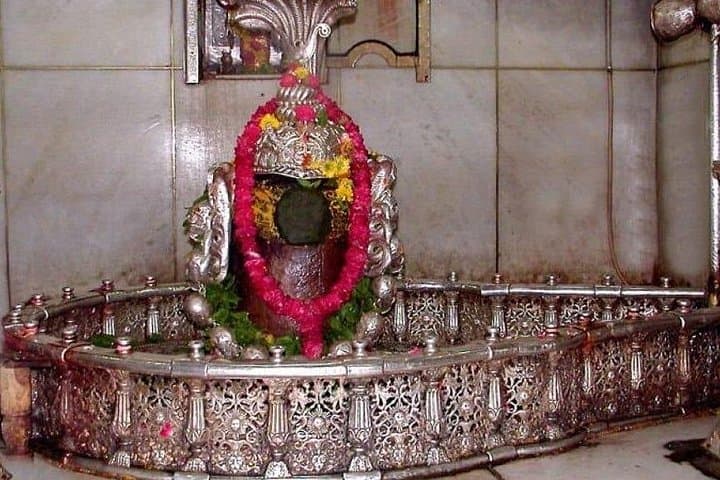
Morning light finds the road out of Indore stretching across flat farmlands as the van threads toward Ujjain, where temple bells set the rhythm. At Mahakaleshwar the air tightens with incense and the pulse of ritual; stone tiers and carved pillars hold the steady business of worship while priests perform the Bhasma Arti in a space that has drawn pilgrims for centuries.
Morning light finds the road out of Indore stretching across flat farmlands as the van threads toward Ujjain, where temple bells set the rhythm. At Mahakaleshwar the air tightens with incense and the pulse of ritual; stone tiers and carved pillars hold the steady business of worship while priests perform the Bhasma Arti in a space that has drawn pilgrims for centuries.
The tour moves from riverside devotion to island sanctity at Omkareshwar, where the Narmada shapes both ritual and settlement — its current a constant companion, daring visitors to pause at ghats and feel the river’s slow insistence. Maheshwar’s fortified banks and Holkar-era ghats reveal a living craft tradition: handloom weaves, stepped bathing areas, and fort walls with functional polished stone. Mandu closes the loop with Afghan-style arches, Jahaz Mahal’s reflected profile on placid lakes, and hilltop vantage points that explain why rulers once made this a stronghold.
Geology here is gentle: Deccan-derived basalts and alluvial plains create low hills and broad river valleys that favor walking and short climbs rather than alpine exertion. Culture and history are on display — centuries-old worship practices, Holkar dynasty architecture, and the romance-laced ruins of Mandu.
Practical guidance: expect mostly easy walking on temple courtyards, stone steps, and village lanes; wear sturdy shoes with good grip, modest clothing for temple entry, and plan travel times to avoid midday heat. Carry water, a hat, and a small daypack for camera gear and purchases from local weavers. The itinerary is best experienced at a measured pace — mornings for temples, late afternoon for forts and vistas.