THE ADVENTURE COLLECTIVE® · Independent discovery and booking for outdoor travel

Three days of continuous Class III–IV rapids on the Kali Gandaki carve through deep gorges and terraced hills, ending each day at riverside camps with full support from the guide crew. Ideal for fit, adventurous paddlers looking for sustained whitewater and cultural scenery near Pokhara.
Three days of continuous Class III–IV rapids on the Kali Gandaki carve through deep gorges and terraced hills, ending each day at riverside camps with full support from the guide crew. Ideal for fit, adventurous paddlers looking for sustained whitewater and cultural scenery near Pokhara.
The roar arrives before the raft does: a narrowing gorge focuses the Kali Gandaki’s voice into a hard-edged challenge as you push off from a dusty bank near Baglung. For three days the river alternates between wide, slow meanders and unrelenting Class III–IV chutes — Big Brother, Little Brother, Rafter’s Refund — each rapid testing timing, teamwork and nerve.
Verified experiences and guided adventures in the surrounding area.
Operated by CAN Travels · Pokhara, Gandaki Province
The roar arrives before the raft does: a narrowing gorge focuses the Kali Gandaki’s voice into a hard-edged challenge as you push off from a dusty bank near Baglung. For three days the river alternates between wide, slow meanders and unrelenting Class III–IV chutes — Big Brother, Little Brother, Rafter’s Refund — each rapid testing timing, teamwork and nerve.
The Kali Gandaki Valley slices through the Himalaya, its bed carved from ancient shale and limestone; traders and pilgrims have followed its corridor for centuries between high ridgelines. Local Gurung and Magar communities farm terraced hills above the river; your guides often point out stone walls and seasonal fields as you camp on riverside beaches under a sky thick with stars.
Expect full days of paddling, rapid scouting and short hikes to inspect tricky drops. Rafts are self-bailing and accompanied by safety kayaks and a support crew that handles camps, meals and gear. Nights are simple tented camps with campfires and hearty, Western-style meals prepared by the crew.
Practical tips: arrive in Pokhara with any cold-weather layers, waterproof bags and a reasonable level of fitness — hauling gear and re-boarding rafts is part of the day. Hydrate before and after long runs; listen to the guide’s safety briefings and learn basic paddle commands on day one. Weather windows are narrow in monsoon season; the prime time is late autumn to spring when flows are strong but more predictable. This trip is fast, physical and rewarding — a river that demands presence and gives uncompromising scenery in return.
No formal experience is required, but prior paddling or river-sport experience helps; guides provide instruction and safety briefings.
You should have moderate to strong fitness: repeated paddling days, re-boarding after swims and carrying personal items to campsites.
Yes — tented riverside accommodation, camp meals (Western/continental) and a cook are included in the itinerary.
Late autumn through spring (Sept–May excluding heavy monsoon months) generally offers the most reliable conditions and safest flows.
CAN Travels operates guided outdoor trips and adventures with an emphasis on safety, stewardship, and memorable experiences.
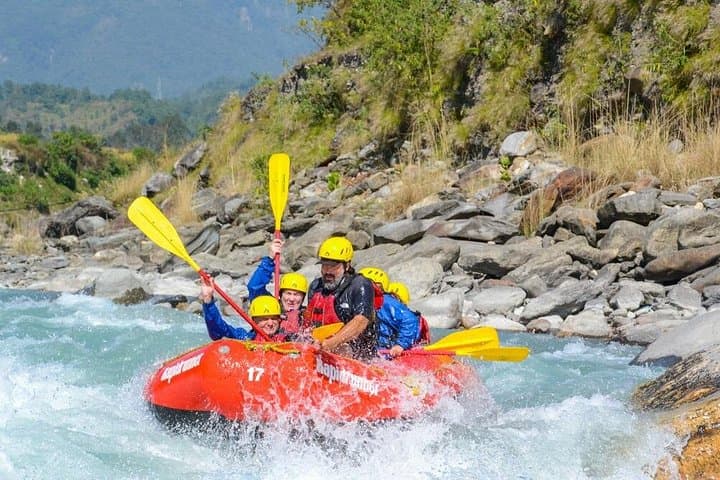

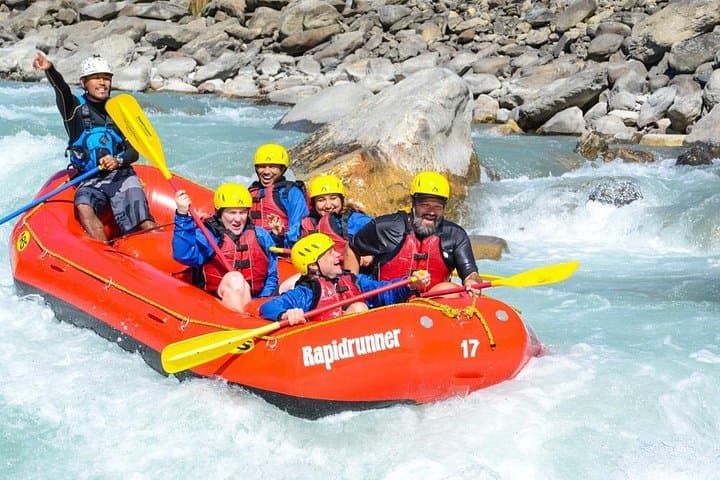
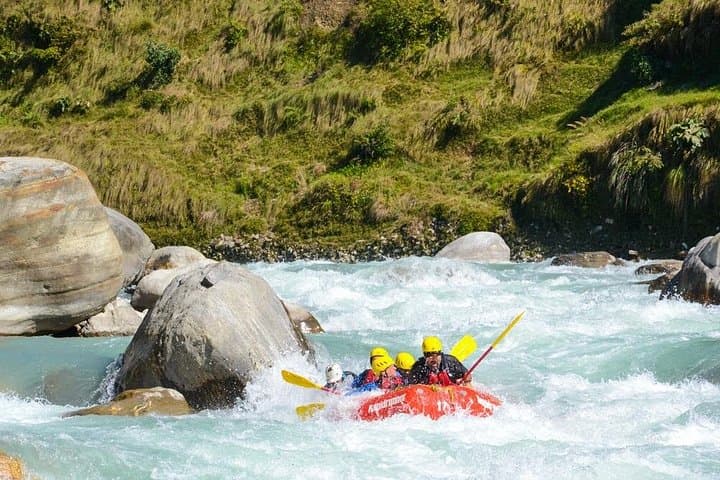
The roar arrives before the raft does: a narrowing gorge focuses the Kali Gandaki’s voice into a hard-edged challenge as you push off from a dusty bank near Baglung. For three days the river alternates between wide, slow meanders and unrelenting Class III–IV chutes — Big Brother, Little Brother, Rafter’s Refund — each rapid testing timing, teamwork and nerve.
The roar arrives before the raft does: a narrowing gorge focuses the Kali Gandaki’s voice into a hard-edged challenge as you push off from a dusty bank near Baglung. For three days the river alternates between wide, slow meanders and unrelenting Class III–IV chutes — Big Brother, Little Brother, Rafter’s Refund — each rapid testing timing, teamwork and nerve.
The Kali Gandaki Valley slices through the Himalaya, its bed carved from ancient shale and limestone; traders and pilgrims have followed its corridor for centuries between high ridgelines. Local Gurung and Magar communities farm terraced hills above the river; your guides often point out stone walls and seasonal fields as you camp on riverside beaches under a sky thick with stars.
Expect full days of paddling, rapid scouting and short hikes to inspect tricky drops. Rafts are self-bailing and accompanied by safety kayaks and a support crew that handles camps, meals and gear. Nights are simple tented camps with campfires and hearty, Western-style meals prepared by the crew.
Practical tips: arrive in Pokhara with any cold-weather layers, waterproof bags and a reasonable level of fitness — hauling gear and re-boarding rafts is part of the day. Hydrate before and after long runs; listen to the guide’s safety briefings and learn basic paddle commands on day one. Weather windows are narrow in monsoon season; the prime time is late autumn to spring when flows are strong but more predictable. This trip is fast, physical and rewarding — a river that demands presence and gives uncompromising scenery in return.