THE ADVENTURE COLLECTIVE® · Independent discovery and booking for outdoor travel

Drive from Kigali into western Uganda for a three-day wildlife-focused loop: chimpanzee trekking in Kalinzu Forest followed by mountain gorilla trekking in Bwindi. Expect steep, muddy trails, close primate encounters and essential permits booked in advance.
Drive from Kigali into western Uganda for a three-day wildlife-focused loop: chimpanzee trekking in Kalinzu Forest followed by mountain gorilla trekking in Bwindi. Expect steep, muddy trails, close primate encounters and essential permits booked in advance.
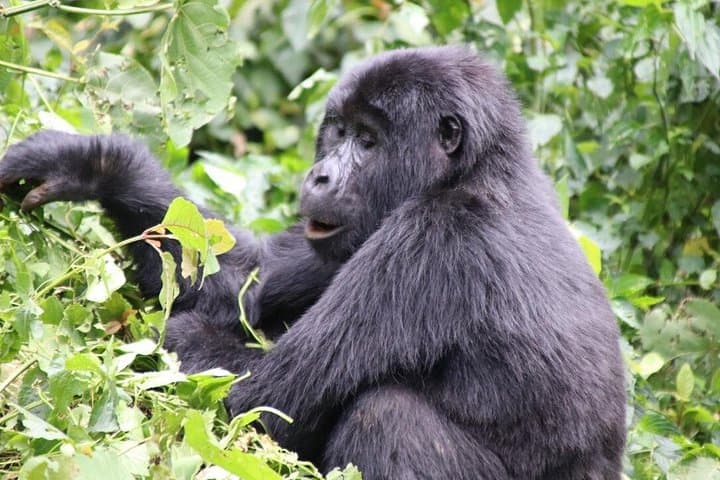
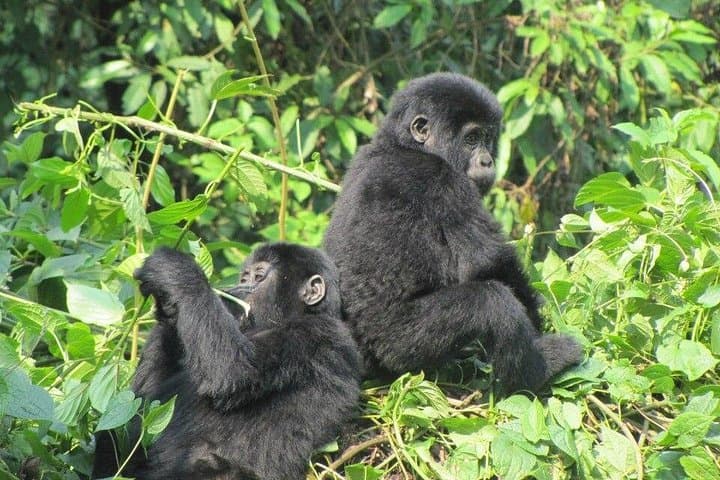
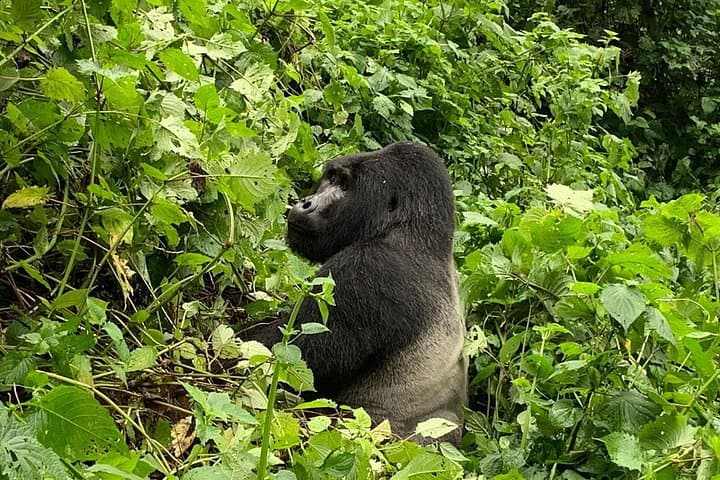
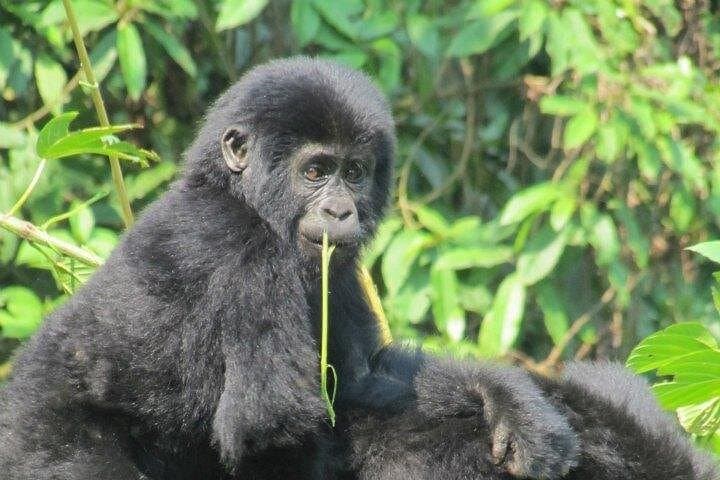
Dawn breaks over the ruts of the Kasese road and the van eases away from Kigali, carrying a compact, intent group toward the shadowed rainforests of western Uganda. By the second morning you stand under the humid canopy of Kalinzu Forest, listening for hoots and twig snaps as habituated chimpanzees move through vines and buttress roots. On day three, steep slopes of the Bwindi Impenetrable Forest press in, and the trek becomes a careful negotiation of roots, mud and moss—each step braced by anticipation until you meet a silverback’s calm stare.
Verified experiences and guided adventures in the surrounding area.
Operated by Bamboo Ecotours · Kisoro, Southwestern Region
Dawn breaks over the ruts of the Kasese road and the van eases away from Kigali, carrying a compact, intent group toward the shadowed rainforests of western Uganda. By the second morning you stand under the humid canopy of Kalinzu Forest, listening for hoots and twig snaps as habituated chimpanzees move through vines and buttress roots. On day three, steep slopes of the Bwindi Impenetrable Forest press in, and the trek becomes a careful negotiation of roots, mud and moss—each step braced by anticipation until you meet a silverback’s calm stare.
This route threads two distinct conservation histories: Kalinzu is a reserve known for primate research and habituation work, while Bwindi — a UNESCO World Heritage site — protects one of the last populations of mountain gorillas. Geologically the area is shaped by ancient volcanic soils and steep ridgelines that funnel cloud and rain, creating dense montane forest. Locally, communities around Kisoro and Rushaga blend Rukiga and Bakiga customs with hospitality that supports guide networks and conservation fees.
Practical guidance: book gorilla permits well in advance and arrive the day before long drives; expect muddy, steep terrain and variable weather; wear broken-in, waterproof hiking boots and gaiters. Group sizes are small; follow ranger briefings closely—stay the required distance, minimize flash photos and avoid lingering if a gorilla shows stress. Hydrate, layer for sudden showers, and allot time after trekking for a slow return across the rolling hills back to Kigali.
Yes—both chimp and gorilla treks require permits issued by Ugandan authorities; gorilla permits are especially limited and should be booked well in advance.
Trek times vary: chimp encounters often take 2–4 hours including approach, while gorilla treks can last from a few hours to most of a day depending on gorilla locations.
Yellow fever vaccination is commonly recommended; ensure routine vaccines are current and consult a travel clinic about malaria prophylaxis and COVID-19 guidance.
Policies vary by park and permit type; many operators set minimum ages and require participants to be physically capable of long hikes—check with your provider before booking.
Bamboo Ecotours operates guided outdoor trips and adventures with an emphasis on safety, stewardship, and memorable experiences.
Dawn breaks over the ruts of the Kasese road and the van eases away from Kigali, carrying a compact, intent group toward the shadowed rainforests of western Uganda. By the second morning you stand under the humid canopy of Kalinzu Forest, listening for hoots and twig snaps as habituated chimpanzees move through vines and buttress roots. On day three, steep slopes of the Bwindi Impenetrable Forest press in, and the trek becomes a careful negotiation of roots, mud and moss—each step braced by anticipation until you meet a silverback’s calm stare.
Dawn breaks over the ruts of the Kasese road and the van eases away from Kigali, carrying a compact, intent group toward the shadowed rainforests of western Uganda. By the second morning you stand under the humid canopy of Kalinzu Forest, listening for hoots and twig snaps as habituated chimpanzees move through vines and buttress roots. On day three, steep slopes of the Bwindi Impenetrable Forest press in, and the trek becomes a careful negotiation of roots, mud and moss—each step braced by anticipation until you meet a silverback’s calm stare.
This route threads two distinct conservation histories: Kalinzu is a reserve known for primate research and habituation work, while Bwindi — a UNESCO World Heritage site — protects one of the last populations of mountain gorillas. Geologically the area is shaped by ancient volcanic soils and steep ridgelines that funnel cloud and rain, creating dense montane forest. Locally, communities around Kisoro and Rushaga blend Rukiga and Bakiga customs with hospitality that supports guide networks and conservation fees.
Practical guidance: book gorilla permits well in advance and arrive the day before long drives; expect muddy, steep terrain and variable weather; wear broken-in, waterproof hiking boots and gaiters. Group sizes are small; follow ranger briefings closely—stay the required distance, minimize flash photos and avoid lingering if a gorilla shows stress. Hydrate, layer for sudden showers, and allot time after trekking for a slow return across the rolling hills back to Kigali.