THE ADVENTURE COLLECTIVE® · Independent discovery and booking for outdoor travel

See five UNESCO sites in three days across the Kathmandu Valley—temples, stupas and courtyard palaces linked by living rituals. This compact cultural circuit balances immersive visits with practical logistics for travelers short on time.
See five UNESCO sites in three days across the Kathmandu Valley—temples, stupas and courtyard palaces linked by living rituals. This compact cultural circuit balances immersive visits with practical logistics for travelers short on time.
You step from the airport into a warm, buzzy Kathmandu afternoon: motorcycles weave through narrow stone lanes, prayer flags snap above backstreets, and the scent of incense drifts from a temple courtyard.
Verified experiences and guided adventures in the surrounding area.
Operated by Nepal Tour & Trekking Services · Kathmandu, Bagmati Province
You step from the airport into a warm, buzzy Kathmandu afternoon: motorcycles weave through narrow stone lanes, prayer flags snap above backstreets, and the scent of incense drifts from a temple courtyard.
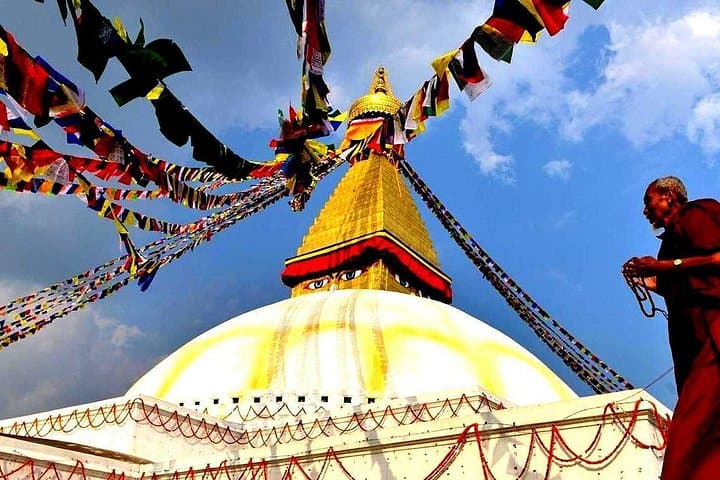
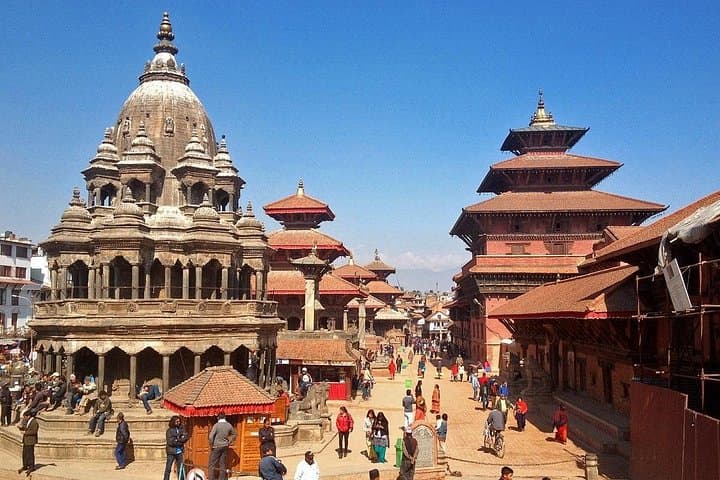
Over three days this compact tour threads five UNESCO-listed sites across the Kathmandu Valley — Patan Durbar Square, Pashupatinath, Boudhnath, Kathmandu Durbar Square and Swayambhunath — offering a concentrated survey of Newar architecture, Hindu and Buddhist ritual life, and sweeping valley views framed by distant Himalayan ridgelines.
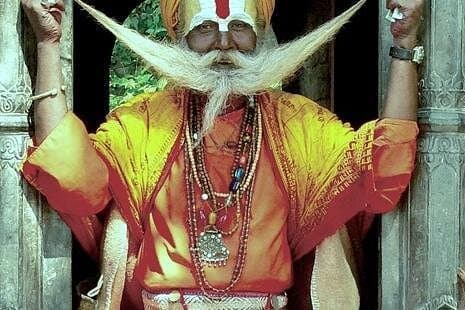
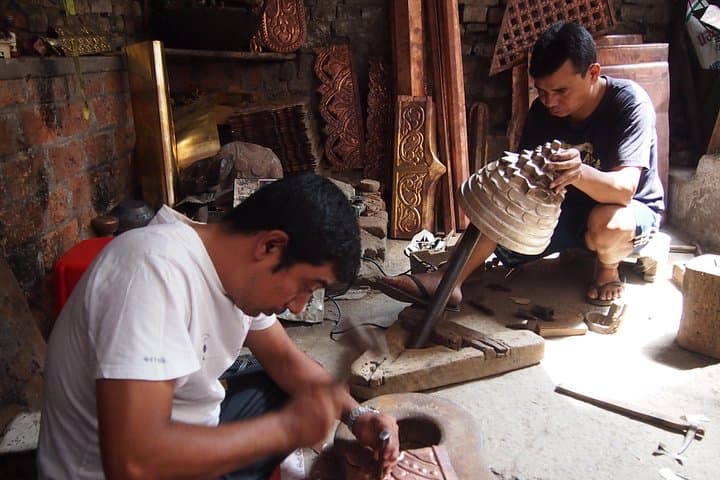
History here is visible in carved wooden windows and public squares where royal palaces, courtyards and monasteries have been active centers for centuries. Geologically the valley is a broad intermontane basin of fluvial deposits and terraced foothills; the raised stupas and hilltop shrines give you vantage points to read the landscape’s layered human imprint. Culturally, expect early-morning pujas at Pashupatinath, circumambulations and butter lamps at Boudhnath, and the living goddess traditions centered around Kumari Ghar in Durbar Square.
Practically: days are walk-heavy but low-impact — many sites require climbing short stair flights and navigating uneven stone paving. Guides typically handle entrance logistics and provide local context; hotels are 3-star city properties with airport transfers included. Bring comfortable, grippy shoes, a light layer for early mornings, cash for small donations and temple fees, and respect local customs: remove shoes where required and avoid photographing sensitive rites. Time your visits early or late to avoid peak crowds; dusk at Swayambhunath offers clear valley light and quieter prayer circles.
Entrance fees are listed as included in the tour package; guides typically handle payments and provide tickets where required.
The itinerary is labeled physically easy but includes uneven cobbles and short stair climbs; it may be challenging for travelers with significant mobility restrictions.
Airport pickup and private, air-conditioned vehicle transfers between hotels and sites are included as part of the tour.
Kumari Ghar viewing is part of Kathmandu Durbar Square visits; access follows local schedules and may be subject to short waits—your guide manages timing and entry.
Nepal Tour & Trekking Services operates guided outdoor trips and adventures with an emphasis on safety, stewardship, and memorable experiences.
You step from the airport into a warm, buzzy Kathmandu afternoon: motorcycles weave through narrow stone lanes, prayer flags snap above backstreets, and the scent of incense drifts from a temple courtyard.
You step from the airport into a warm, buzzy Kathmandu afternoon: motorcycles weave through narrow stone lanes, prayer flags snap above backstreets, and the scent of incense drifts from a temple courtyard.
Over three days this compact tour threads five UNESCO-listed sites across the Kathmandu Valley — Patan Durbar Square, Pashupatinath, Boudhnath, Kathmandu Durbar Square and Swayambhunath — offering a concentrated survey of Newar architecture, Hindu and Buddhist ritual life, and sweeping valley views framed by distant Himalayan ridgelines.
History here is visible in carved wooden windows and public squares where royal palaces, courtyards and monasteries have been active centers for centuries. Geologically the valley is a broad intermontane basin of fluvial deposits and terraced foothills; the raised stupas and hilltop shrines give you vantage points to read the landscape’s layered human imprint. Culturally, expect early-morning pujas at Pashupatinath, circumambulations and butter lamps at Boudhnath, and the living goddess traditions centered around Kumari Ghar in Durbar Square.
Practically: days are walk-heavy but low-impact — many sites require climbing short stair flights and navigating uneven stone paving. Guides typically handle entrance logistics and provide local context; hotels are 3-star city properties with airport transfers included. Bring comfortable, grippy shoes, a light layer for early mornings, cash for small donations and temple fees, and respect local customs: remove shoes where required and avoid photographing sensitive rites. Time your visits early or late to avoid peak crowds; dusk at Swayambhunath offers clear valley light and quieter prayer circles.