THE ADVENTURE COLLECTIVE® · Independent discovery and booking for outdoor travel

Explore Kathmandu Valley’s seven UNESCO heritage sites over three days—stupas, temples and durbar squares linked by centuries of Newar craft and ritual. This private tour combines short urban walks with guided context and a vehicle for efficient transfers.
Explore Kathmandu Valley’s seven UNESCO heritage sites over three days—stupas, temples and durbar squares linked by centuries of Newar craft and ritual. This private tour combines short urban walks with guided context and a vehicle for efficient transfers.
A wind off the valley brushes old brick and prayer flags as the group descends from Swayambhunath’s hill, the city spread below like a living map of rites and roofs. Over three days the route threads between stupas and palaces: the eyes painted on Boudhanath watching slow circumambulations, the smoke of cremations at Pashupatinath curling along the Bagmati, and carved wooden windows in Patan and Bhaktapur that hold half a millennium of hands and hammers.
Verified experiences and guided adventures in the surrounding area.
Operated by Himalayan Smile Treks and Adventure Pvt. Ltd · Kathmandu, Bagmati Province
A wind off the valley brushes old brick and prayer flags as the group descends from Swayambhunath’s hill, the city spread below like a living map of rites and roofs. Over three days the route threads between stupas and palaces: the eyes painted on Boudhanath watching slow circumambulations, the smoke of cremations at Pashupatinath curling along the Bagmati, and carved wooden windows in Patan and Bhaktapur that hold half a millennium of hands and hammers.
Kathmandu Valley occupies a drained palaeolake basin ringed by low hills; centuries of Newar craftsmanship and successive Malla kingdoms created the courtyard-centric urban fabric travelers see today. The seven UNESCO sites here register Hindu and Buddhist coexistence, and festivals—Indra Jatra, Dashain, Tihar—still tilt daily life toward color, sound and ritual.
Practicalities are straightforward: the itinerary uses a private vehicle and an English-speaking guide (confirm language at booking), but most monuments charge separate entry fees. Expect lots of short walks, stone steps and crowded squares—comfortable shoes, modest dress in temples, and patience around peak hours will improve the visit. Bring local currency for small offerings and handicrafts, and plan mornings for clearer light and cooler air; afternoons can be hazy and congested. Note that several sites suffered earthquake damage in 2015 and restoration work is ongoing, which can change access.
This is a cultural walking tour more than a wilderness trek—its rewards are sensory: incense and bells, rooftop glimpses across courtyards, and craftsmen at their wheels. With basic mobility and respect for local customs, visitors can move easily through layers of history and leave with a grounded sense of Kathmandu’s living heritage.
No; most UNESCO sites and museums charge separate entry fees that are paid on arrival—bring Nepali rupees or a card where accepted.
A professional guide is provided—English is commonly offered but confirm your preferred language at booking to ensure availability.
The tour involves walking on stone streets and climbing temple steps; it’s suitable for those with basic mobility but not recommended for severe mobility limitations or certain medical conditions.
Tips are appreciated and customary in Nepal; plan a modest tip for a multi-day private guide and driver if service meets expectations.
Himalayan Smile Treks and Adventure Pvt. Ltd operates guided outdoor trips and adventures with an emphasis on safety, stewardship, and memorable experiences.
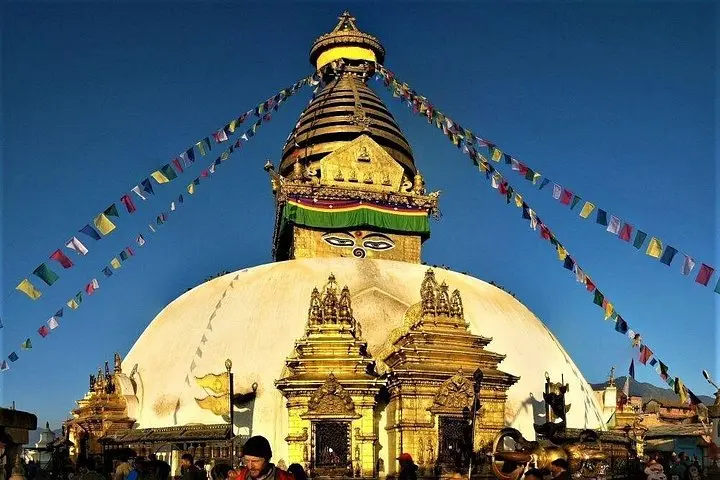
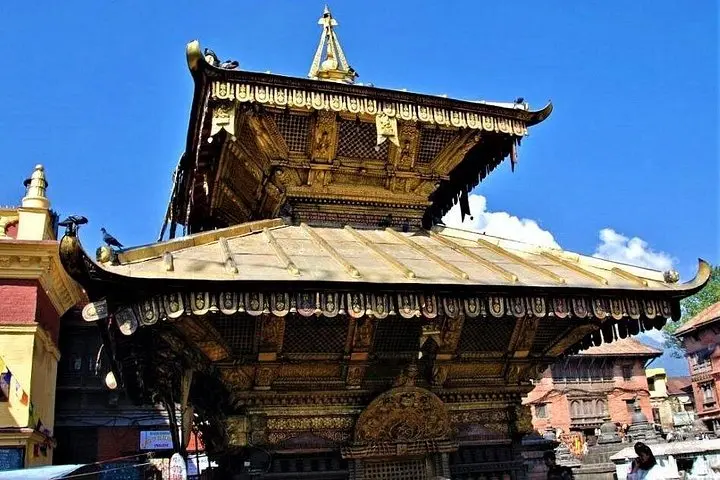
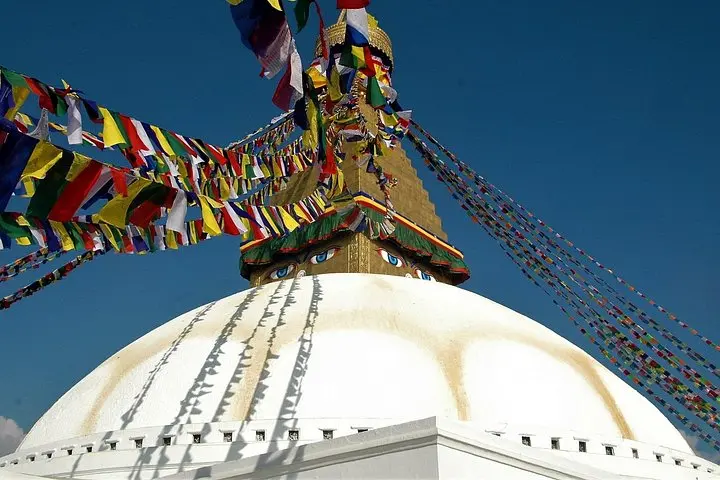
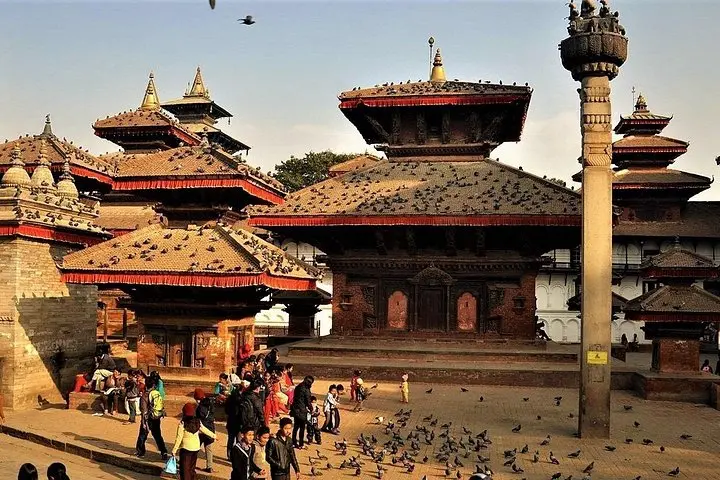
A wind off the valley brushes old brick and prayer flags as the group descends from Swayambhunath’s hill, the city spread below like a living map of rites and roofs. Over three days the route threads between stupas and palaces: the eyes painted on Boudhanath watching slow circumambulations, the smoke of cremations at Pashupatinath curling along the Bagmati, and carved wooden windows in Patan and Bhaktapur that hold half a millennium of hands and hammers.
A wind off the valley brushes old brick and prayer flags as the group descends from Swayambhunath’s hill, the city spread below like a living map of rites and roofs. Over three days the route threads between stupas and palaces: the eyes painted on Boudhanath watching slow circumambulations, the smoke of cremations at Pashupatinath curling along the Bagmati, and carved wooden windows in Patan and Bhaktapur that hold half a millennium of hands and hammers.
Kathmandu Valley occupies a drained palaeolake basin ringed by low hills; centuries of Newar craftsmanship and successive Malla kingdoms created the courtyard-centric urban fabric travelers see today. The seven UNESCO sites here register Hindu and Buddhist coexistence, and festivals—Indra Jatra, Dashain, Tihar—still tilt daily life toward color, sound and ritual.
Practicalities are straightforward: the itinerary uses a private vehicle and an English-speaking guide (confirm language at booking), but most monuments charge separate entry fees. Expect lots of short walks, stone steps and crowded squares—comfortable shoes, modest dress in temples, and patience around peak hours will improve the visit. Bring local currency for small offerings and handicrafts, and plan mornings for clearer light and cooler air; afternoons can be hazy and congested. Note that several sites suffered earthquake damage in 2015 and restoration work is ongoing, which can change access.
This is a cultural walking tour more than a wilderness trek—its rewards are sensory: incense and bells, rooftop glimpses across courtyards, and craftsmen at their wheels. With basic mobility and respect for local customs, visitors can move easily through layers of history and leave with a grounded sense of Kathmandu’s living heritage.