THE ADVENTURE COLLECTIVE® · Independent discovery and booking for outdoor travel

Island-hop between Kenawa and Moyo over three days of reef snorkeling, beach walks and waterfall swims. This compact itinerary balances clear-water snorkeling with short scooter runs to rainforest waterfalls and local village stops.
Island-hop between Kenawa and Moyo over three days of reef snorkeling, beach walks and waterfall swims. This compact itinerary balances clear-water snorkeling with short scooter runs to rainforest waterfalls and local village stops.
You step off the boat at a low coral lip and the sea immediately grabs your attention—rings of blue-green water that push you toward reefs brimming with hard and soft corals. Daylight scatters across white sand as the crew ties up at Kenawa, a compact island whose grass-topped dunes slope down to beaches that invite a barefoot wander.
Verified experiences and guided adventures in the surrounding area.
Operated by Lombok Hideaway · Sumbawa Besar, West Nusa Tenggara
You step off the boat at a low coral lip and the sea immediately grabs your attention—rings of blue-green water that push you toward reefs brimming with hard and soft corals. Daylight scatters across white sand as the crew ties up at Kenawa, a compact island whose grass-topped dunes slope down to beaches that invite a barefoot wander.
The route traces local maritime history: traditional fishing lanes between Lombok and Sumbawa, islands that for centuries linked coastal communities and sultanates. Geology here is volcanic and reef-built—limestone outcrops, sandy spits and fringing coral that shelter parrotfish and reef sharks. Cultural notes arrive in villages at Labuan Aji and Sumbawa Besar where simple seafood menus reflect island life.
Expect hands-on island hopping: Kenawa’s beach walks and snorkeling at Paserang, Kambing and Belang reveal clear visibility and patch reefs; boat transfers are short but can be bumpy if winds rise. On Moyo Island the focus shifts inland—short scooter runs (roughly 10–30 minutes) to Mata Jitu and Diwu Mbai waterfalls where rock pools invite cooling swims; expect uneven trails and stone steps rather than groomed paths.
Practical guidance: travel during the dry season (June–August) for best visibility; wear reef-safe sunscreen and water shoes, and carry a small dry bag for cameras. Hydrate often—the tropical sun is relentless—and aim for early morning or late afternoon snorkeling to avoid midday glare. Respect local conservation rules: don’t stand on coral, and pack out trash. Over three days you'll trade reef time for waterfall shade, returning with clearer skin, salt-stiff hair, and a real sense of the islands’ layered wildness.
Yes—snorkeling equipment is typically included, but fit can vary; bring your own mask if you prefer a secure seal.
The dry season (June–August) offers the best visibility and calmer seas; avoid the monsoon months (December–February) when heavy rain and rough seas are common.
Trails to Mata Jitu and Diwu Mbai are short but can be uneven and slippery; moderate mobility is required for steps and rocky sections.
Non-swimmers can enjoy beaches and waterfalls but should remain cautious on boat decks and consider a life jacket while near open water.
Lombok Hideaway operates guided outdoor trips and adventures with an emphasis on safety, stewardship, and memorable experiences.
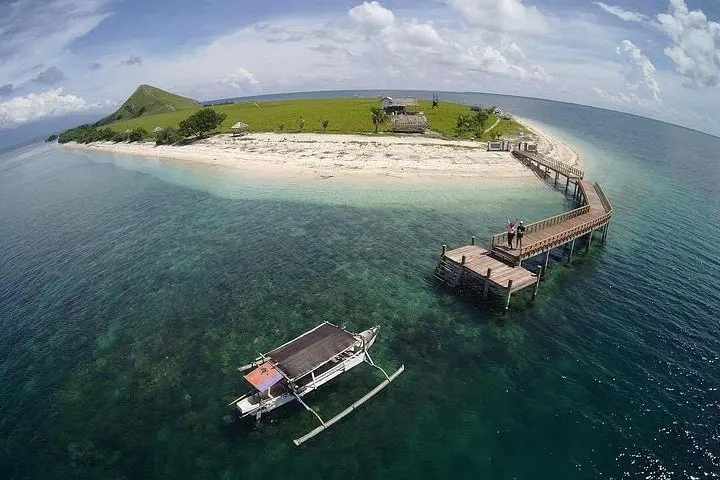
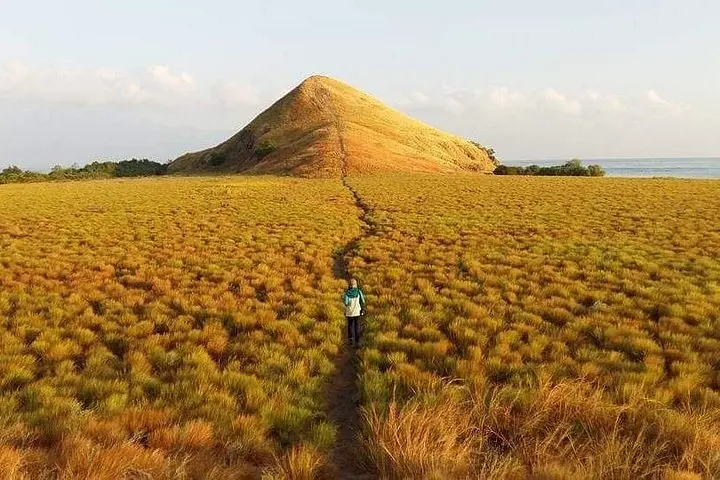
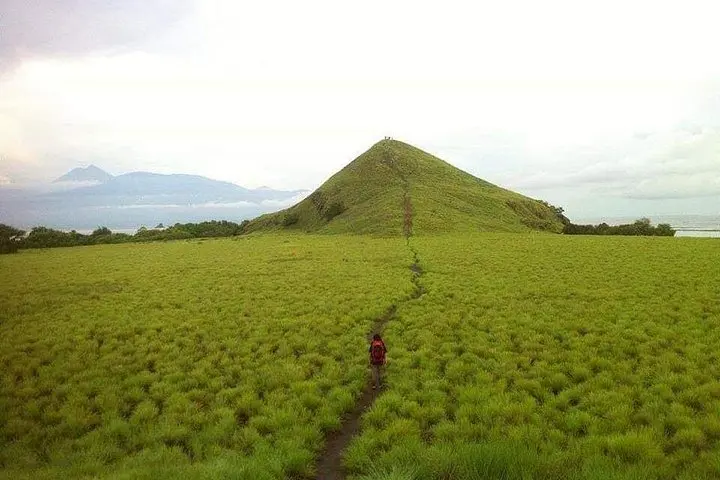
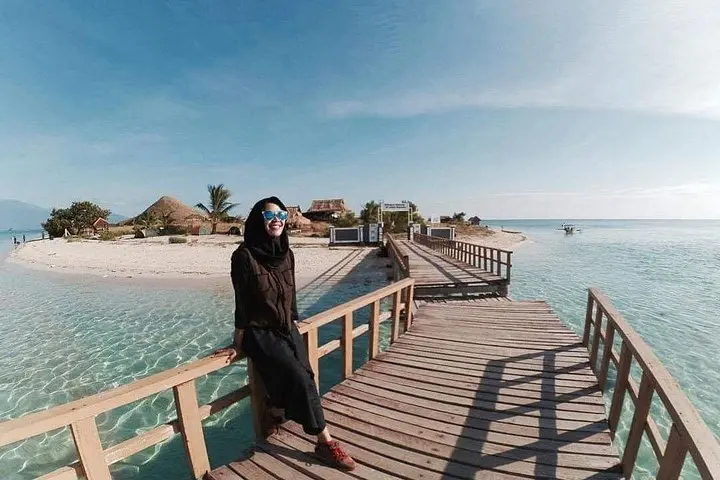
You step off the boat at a low coral lip and the sea immediately grabs your attention—rings of blue-green water that push you toward reefs brimming with hard and soft corals. Daylight scatters across white sand as the crew ties up at Kenawa, a compact island whose grass-topped dunes slope down to beaches that invite a barefoot wander.
You step off the boat at a low coral lip and the sea immediately grabs your attention—rings of blue-green water that push you toward reefs brimming with hard and soft corals. Daylight scatters across white sand as the crew ties up at Kenawa, a compact island whose grass-topped dunes slope down to beaches that invite a barefoot wander.
The route traces local maritime history: traditional fishing lanes between Lombok and Sumbawa, islands that for centuries linked coastal communities and sultanates. Geology here is volcanic and reef-built—limestone outcrops, sandy spits and fringing coral that shelter parrotfish and reef sharks. Cultural notes arrive in villages at Labuan Aji and Sumbawa Besar where simple seafood menus reflect island life.
Expect hands-on island hopping: Kenawa’s beach walks and snorkeling at Paserang, Kambing and Belang reveal clear visibility and patch reefs; boat transfers are short but can be bumpy if winds rise. On Moyo Island the focus shifts inland—short scooter runs (roughly 10–30 minutes) to Mata Jitu and Diwu Mbai waterfalls where rock pools invite cooling swims; expect uneven trails and stone steps rather than groomed paths.
Practical guidance: travel during the dry season (June–August) for best visibility; wear reef-safe sunscreen and water shoes, and carry a small dry bag for cameras. Hydrate often—the tropical sun is relentless—and aim for early morning or late afternoon snorkeling to avoid midday glare. Respect local conservation rules: don’t stand on coral, and pack out trash. Over three days you'll trade reef time for waterfall shade, returning with clearer skin, salt-stiff hair, and a real sense of the islands’ layered wildness.