THE ADVENTURE COLLECTIVE® · Independent discovery and booking for outdoor travel

Glide silent in a mokoro, watch elephants cross the floodplain and sleep under a canvas dome on this 3-day Khwai camping safari. Two daily activities — mokoro rides, walks or game drives — and transfers from Maun make this an efficient Delta introduction.
Glide silent in a mokoro, watch elephants cross the floodplain and sleep under a canvas dome on this 3-day Khwai camping safari. Two daily activities — mokoro rides, walks or game drives — and transfers from Maun make this an efficient Delta introduction.
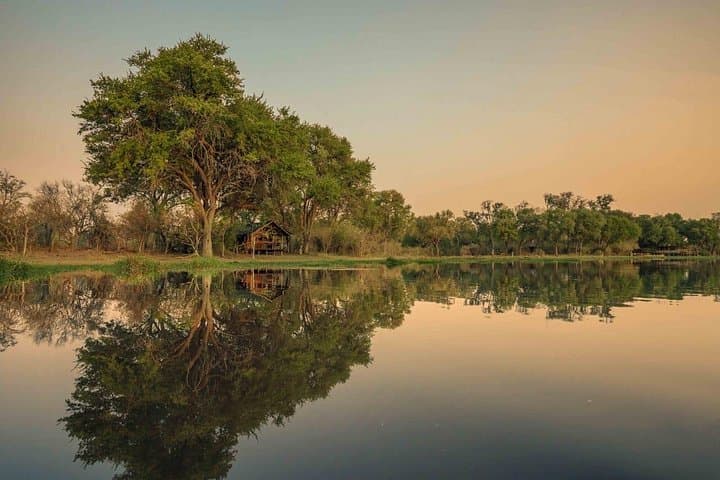
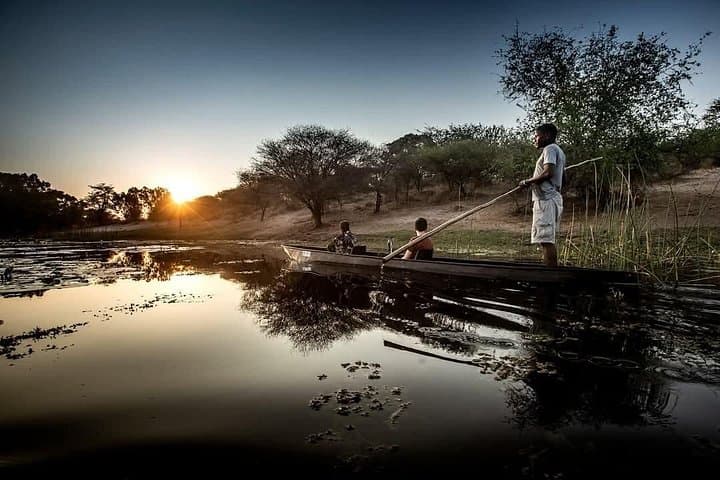
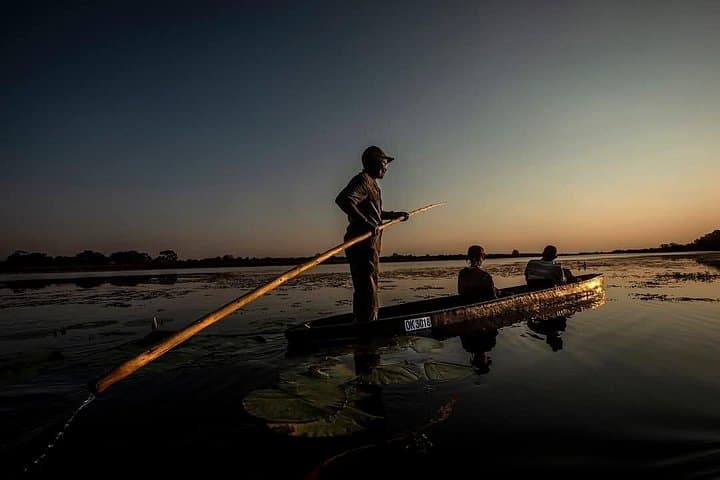
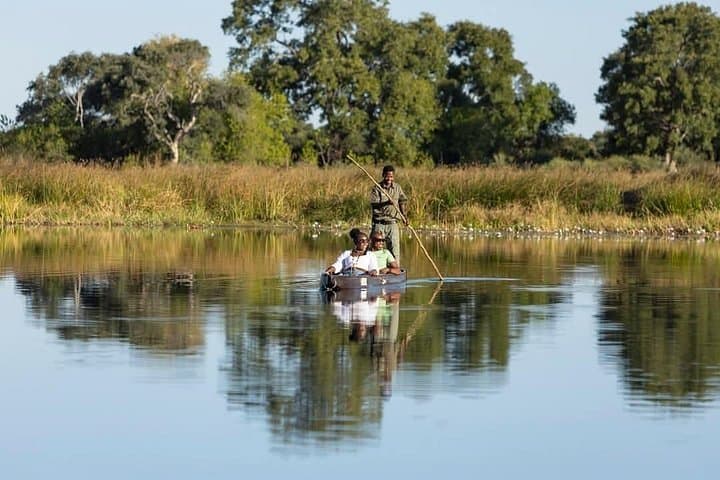
Dawn splits the floodplain in pale gold as a mokoro pole parts the glassy channel and a chorus of wattled plover and fish eagle answers. You slide forward in near-silence while hippos grumble from deeper water and the guide points to elephant tracks leading into reeds — this is Khwai at first light.
Verified experiences and guided adventures in the surrounding area.
Operated by Khwai Mokoro Safaris and Campsites · Khwai, North-West District
Dawn splits the floodplain in pale gold as a mokoro pole parts the glassy channel and a chorus of wattled plover and fish eagle answers. You slide forward in near-silence while hippos grumble from deeper water and the guide points to elephant tracks leading into reeds — this is Khwai at first light.
The Khwai area sits on the eastern edge of the Okavango Delta, an inland delta fed seasonally by the Okavango River that creates braided channels, reed islands and floodplains. Moremi Game Reserve, established in the early 1960s, protects a cross-section of that ecosystem; adjacent community concessions like Khwai combine safari access with local stewardship. Geology here is flat Kalahari sands overlaying older sediments, so expect soft sandy tracks, reed-lined channels and open grassy pans.
Over three days you’ll camp in fully equipped dome tents, join two activities per full day (2–3 hour mokoro rides, guided nature walks or game drives) or choose a 6–7 hour full-day Moremi drive. Road transfers from Maun are typically 1.5–2 hours depending on conditions.
Practical notes: pack layered clothing for hot days and cool nights, strong sunscreen and insect repellent; sturdy walking shoes handle sandy, occasionally muddy terrain. Bring binoculars and a reusable water bottle — bottled water is provided during activities. Wildlife sightings are variable; mornings and evenings are most active. Respect guides’ instructions, keep a safe distance from animals and minimize plastic and noise to protect the fragile floodplain.
This safari balances quiet mokoro exploration with the range and speed of game drives, giving a compact but thorough introduction to the Delta’s wetlands and wildlife.
The tour listing does not clearly specify park fees; confirm with the operator before booking so you know whether additional conservation or park entry charges apply.
Road transfers generally take about 1.5–2 hours depending on road conditions and the vehicle, but times can vary with seasonal flooding or maintenance.
Yes—activities include vehicle-based game drives and mokoro rides; guides can adapt pace, but infants must sit on an adult’s lap per the provider’s policy.
The Okavango Delta is a malaria area; consult a travel health clinic for region-appropriate advice and prophylaxis before travel.
Khwai Mokoro Safaris and Campsites operates guided outdoor trips and adventures with an emphasis on safety, stewardship, and memorable experiences.
Dawn splits the floodplain in pale gold as a mokoro pole parts the glassy channel and a chorus of wattled plover and fish eagle answers. You slide forward in near-silence while hippos grumble from deeper water and the guide points to elephant tracks leading into reeds — this is Khwai at first light.
Dawn splits the floodplain in pale gold as a mokoro pole parts the glassy channel and a chorus of wattled plover and fish eagle answers. You slide forward in near-silence while hippos grumble from deeper water and the guide points to elephant tracks leading into reeds — this is Khwai at first light.
The Khwai area sits on the eastern edge of the Okavango Delta, an inland delta fed seasonally by the Okavango River that creates braided channels, reed islands and floodplains. Moremi Game Reserve, established in the early 1960s, protects a cross-section of that ecosystem; adjacent community concessions like Khwai combine safari access with local stewardship. Geology here is flat Kalahari sands overlaying older sediments, so expect soft sandy tracks, reed-lined channels and open grassy pans.
Over three days you’ll camp in fully equipped dome tents, join two activities per full day (2–3 hour mokoro rides, guided nature walks or game drives) or choose a 6–7 hour full-day Moremi drive. Road transfers from Maun are typically 1.5–2 hours depending on conditions.
Practical notes: pack layered clothing for hot days and cool nights, strong sunscreen and insect repellent; sturdy walking shoes handle sandy, occasionally muddy terrain. Bring binoculars and a reusable water bottle — bottled water is provided during activities. Wildlife sightings are variable; mornings and evenings are most active. Respect guides’ instructions, keep a safe distance from animals and minimize plastic and noise to protect the fragile floodplain.
This safari balances quiet mokoro exploration with the range and speed of game drives, giving a compact but thorough introduction to the Delta’s wetlands and wildlife.