THE ADVENTURE COLLECTIVE® · Independent discovery and booking for outdoor travel

A compact, three‑day safari that delivers dawn drives, full‑day game viewing in Kruger and a morning at Blyde River Canyon. Expect open vehicles, starry campfire nights and guided tracking that maximizes sightings in a short window.
A compact, three‑day safari that delivers dawn drives, full‑day game viewing in Kruger and a morning at Blyde River Canyon. Expect open vehicles, starry campfire nights and guided tracking that maximizes sightings in a short window.
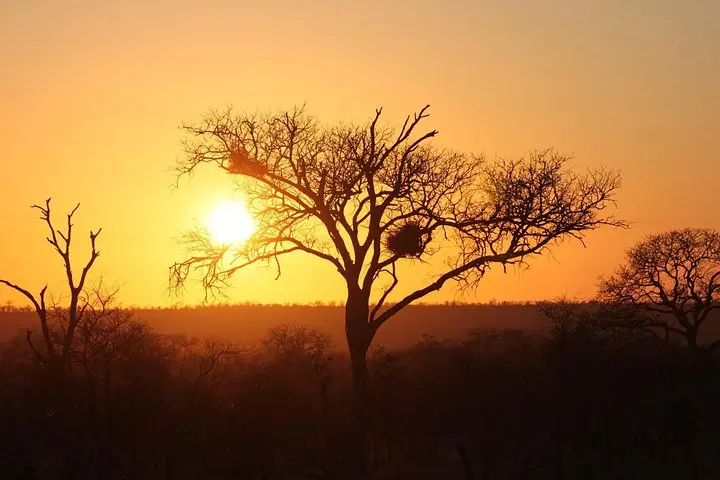
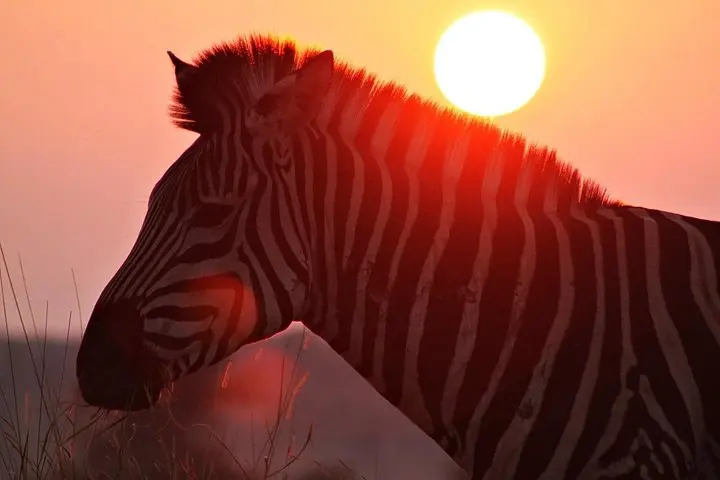
The bus hums south out of Johannesburg and the city glass gives way to low, scrubby hills; dust lifts in the wake of the air‑conditioned shuttle and the world narrows to the slow rhythm of the road. By late afternoon you’re arriving at a small camp in the Greater Kruger — canvas and thatch, a basin of stars opening above the fire — and the first dusk safari eases into place. The guide’s voice is low; somewhere a lion answers the creaking trees. This is the short safari that gives you large moments: sunrise drives, an all‑day push into Kruger’s wild interior, and a final detour to the steep, green cliffs of the Blyde River Canyon.
Verified experiences and guided adventures in the surrounding area.
Operated by Safarii travel company · Hoedspruit, Limpopo
The bus hums south out of Johannesburg and the city glass gives way to low, scrubby hills; dust lifts in the wake of the air‑conditioned shuttle and the world narrows to the slow rhythm of the road. By late afternoon you’re arriving at a small camp in the Greater Kruger — canvas and thatch, a basin of stars opening above the fire — and the first dusk safari eases into place. The guide’s voice is low; somewhere a lion answers the creaking trees. This is the short safari that gives you large moments: sunrise drives, an all‑day push into Kruger’s wild interior, and a final detour to the steep, green cliffs of the Blyde River Canyon.
Kruger’s story is part colonial conservation, part modern protection: the park was formally established in the early 20th century and carries a landscape shaped by river erosion, granite outcrops and the rain shadows of the Drakensberg escarpment. The Greater Kruger area blends public parkland and private concessions — a mosaic that supports migration routes and quiet night roads where nocturnal life reveals itself: genets, hyenas and small herds moving like whispers through mopane.
Culturally, the Lowveld is home to Tsonga and Swazi communities whose histories and crafts are visible in market stalls around Hoedspruit and in the names of camps and routes. Conservation here is a partnership: private camps work with national park rangers on anti‑poaching and habitat management, and visitors help fund patrols through park fees included in this tour.
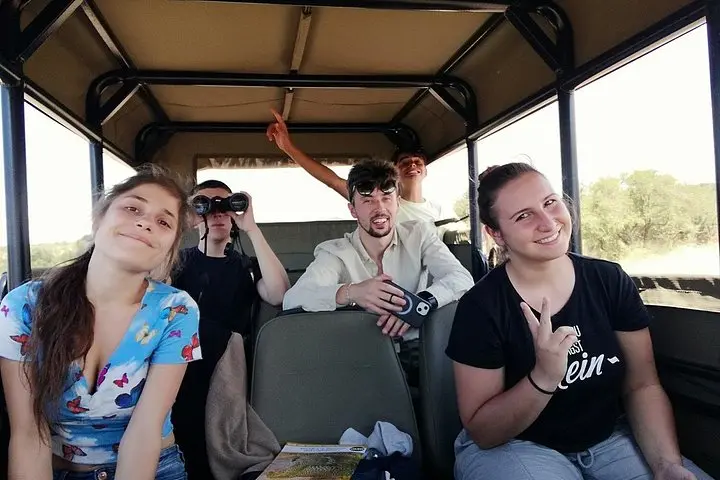
The itinerary is straightforward and compact: a 6‑hour morning transfer to Hoedspruit on day one, a 3‑hour sunset open‑vehicle safari the afternoon you arrive, a full‑day open vehicle safari into Kruger (departing before sunrise) on day two, and a morning visit to Blyde River Canyon on day three before returning to Johannesburg. Expect long windows between stops — these are purposeful pauses for sightings and early‑morning light.
Practical tips: cameras with long lenses and steady hands matter; binoculars are essential. Dress in muted layers: mornings are cool and midday can spike hot; pack a wide‑brim hat, sunscreen and good walking shoes for short walks around camp. Hydrate constantly and keep valuables locked in the camp safe; open vehicles offer great visibility but little protection from dust and sun.
For travelers short on time, this three‑day loop is efficient: it prioritizes animal encounters, comfortable basic accommodation with en‑suite options, and the landscape bookends — both the scrubby, wildlife‑rich Lowveld and the dramatic green sweep of the Blyde Canyon — that give this compact safari its heft.
The tour includes two nights’ accommodation, meals as listed (breakfasts and dinners), park and conservation fees, transport between Johannesburg, camp and attractions, bottled water and qualified guides.
Pickups and drop‑offs are arranged at O.R. Tambo International Airport or selected hotels in Johannesburg and Hoedspruit; exact pickup times are confirmed the day before departure.
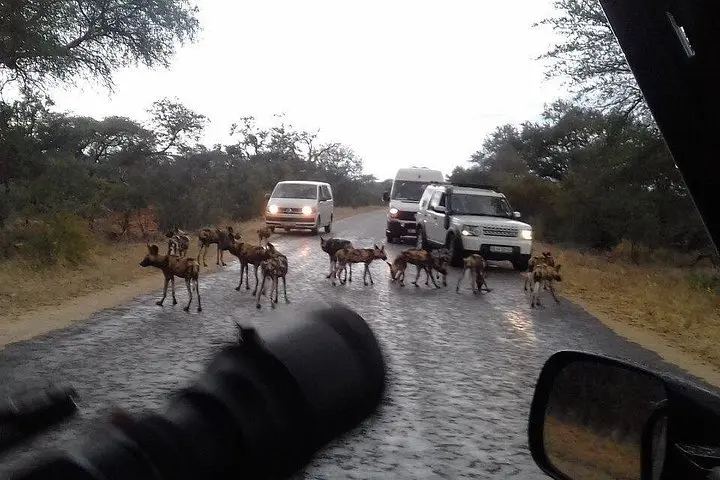
The tour visits Kruger via open vehicle where sightings are likely but not guaranteed—encounters depend on season, animal movement and chance; guides maximize opportunities using experience and local knowledge.
Accommodation is camp‑style within the Greater Kruger with options ranging from basic en‑suite safari tents to chalets; bedding and towels are provided.
Carry up‑to‑date routine vaccinations and consult a travel clinic about malaria prophylaxis for the Lowveld region; carry passport details as requested for booking.
Tipping is customary; guides and drivers appreciate a discretionary tip based on service—local guidance ranges, so bring cash in local currency.
Safarii travel company operates guided outdoor trips and adventures with an emphasis on safety, stewardship, and memorable experiences.
The bus hums south out of Johannesburg and the city glass gives way to low, scrubby hills; dust lifts in the wake of the air‑conditioned shuttle and the world narrows to the slow rhythm of the road. By late afternoon you’re arriving at a small camp in the Greater Kruger — canvas and thatch, a basin of stars opening above the fire — and the first dusk safari eases into place. The guide’s voice is low; somewhere a lion answers the creaking trees. This is the short safari that gives you large moments: sunrise drives, an all‑day push into Kruger’s wild interior, and a final detour to the steep, green cliffs of the Blyde River Canyon.
The bus hums south out of Johannesburg and the city glass gives way to low, scrubby hills; dust lifts in the wake of the air‑conditioned shuttle and the world narrows to the slow rhythm of the road. By late afternoon you’re arriving at a small camp in the Greater Kruger — canvas and thatch, a basin of stars opening above the fire — and the first dusk safari eases into place. The guide’s voice is low; somewhere a lion answers the creaking trees. This is the short safari that gives you large moments: sunrise drives, an all‑day push into Kruger’s wild interior, and a final detour to the steep, green cliffs of the Blyde River Canyon.
Kruger’s story is part colonial conservation, part modern protection: the park was formally established in the early 20th century and carries a landscape shaped by river erosion, granite outcrops and the rain shadows of the Drakensberg escarpment. The Greater Kruger area blends public parkland and private concessions — a mosaic that supports migration routes and quiet night roads where nocturnal life reveals itself: genets, hyenas and small herds moving like whispers through mopane.
Culturally, the Lowveld is home to Tsonga and Swazi communities whose histories and crafts are visible in market stalls around Hoedspruit and in the names of camps and routes. Conservation here is a partnership: private camps work with national park rangers on anti‑poaching and habitat management, and visitors help fund patrols through park fees included in this tour.
The itinerary is straightforward and compact: a 6‑hour morning transfer to Hoedspruit on day one, a 3‑hour sunset open‑vehicle safari the afternoon you arrive, a full‑day open vehicle safari into Kruger (departing before sunrise) on day two, and a morning visit to Blyde River Canyon on day three before returning to Johannesburg. Expect long windows between stops — these are purposeful pauses for sightings and early‑morning light.
Practical tips: cameras with long lenses and steady hands matter; binoculars are essential. Dress in muted layers: mornings are cool and midday can spike hot; pack a wide‑brim hat, sunscreen and good walking shoes for short walks around camp. Hydrate constantly and keep valuables locked in the camp safe; open vehicles offer great visibility but little protection from dust and sun.
For travelers short on time, this three‑day loop is efficient: it prioritizes animal encounters, comfortable basic accommodation with en‑suite options, and the landscape bookends — both the scrubby, wildlife‑rich Lowveld and the dramatic green sweep of the Blyde Canyon — that give this compact safari its heft.