THE ADVENTURE COLLECTIVE® · Independent discovery and booking for outdoor travel

Three days of open-vehicle safaris from Hazyview deliver classic Kruger viewing—sunrise drives, riverine waterholes and expert guides searching for the Big Five. Read on for what to expect, practical tips and local context.
Three days of open-vehicle safaris from Hazyview deliver classic Kruger viewing—sunrise drives, riverine waterholes and expert guides searching for the Big Five. Read on for what to expect, practical tips and local context.
Before sunrise the open safari vehicle breathes into the cool Lowveld air and the bush stirs—impala slipping through grass, and birds tuning the dawn.
Verified experiences and guided adventures in the surrounding area.
Operated by Watch Out Promotions CC T/A Elephant Herd Tours and Safaris · Hazyview, Mpumalanga
Before sunrise the open safari vehicle breathes into the cool Lowveld air and the bush stirs—impala slipping through grass, and birds tuning the dawn.
This three-day Kruger itinerary uses Hazyview as its base and pushes into classic southern park country: granite outcrops, riverine thickets along the Sabie system and broad savanna plains where elephants and buffalo still push trails through the grass. Kruger National Park, created in 1898 and named after Paul Kruger, is one of Africa’s oldest protected areas; its geology of gneiss and granite creates ridgelines and waterholes that concentrate wildlife and offer dramatic viewing.
Guided from an open 4x4, guests ride at higher vantage for panoramic sightlines and photographic access. Mornings and late afternoons are prime—predators move, birds call and light sharpens the ridges. Cultural threads from local Tsonga and Swazi communities are visible in villages around the park; conservation here balances tourism revenue with anti-poaching and habitat management.
Practically: safaris begin pre-dawn, with a full-day loop that visits rest camps, lookout points and waterholes; a morning drive on day three gives one last push for the “Big Five.” Expect unsealed park roads, dusty conditions and variable distances between sightings. Guides interpret tracks, calls and animal behavior while conservation and entrance fees are covered in the package.
Bring layered sun protection, a long lens, and patience—wildlife appears on its own schedule. Hydrate, arrive rested and let the vehicle and guide do the hard work; this tour is about watching the bush move around you, not rushing through it.
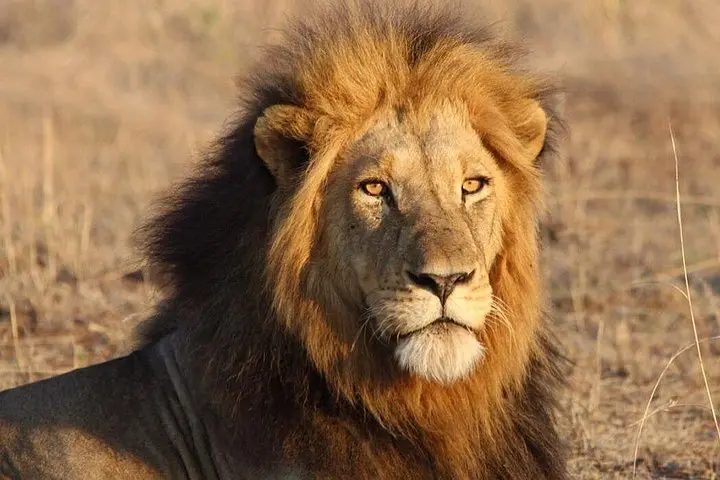
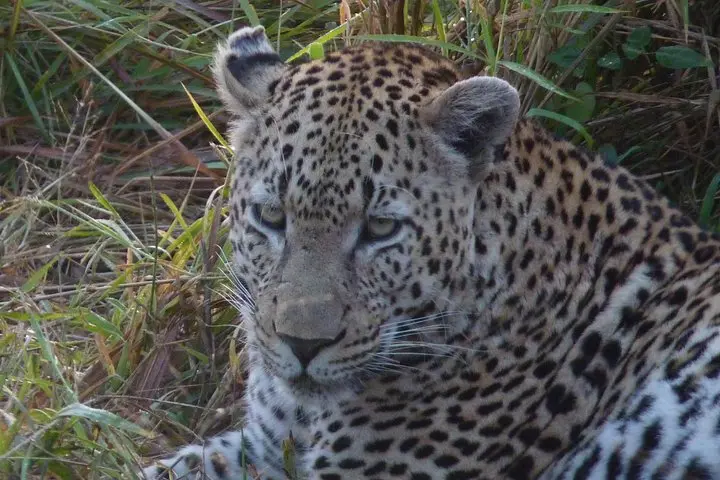
Kruger hosts the Big Five (lion, leopard, elephant, rhino, buffalo) plus abundant antelope, giraffe, hippo and diverse birdlife; sightings are never guaranteed but guides focus on high-probability areas.
Morning drives typically start before sunrise and can run 3–6 hours; full-day safaris are about 9 hours with stops at rest camps for breaks.
Yes—this package includes Kruger entrance and conservation fees, return airport transfers and listed meals per the itinerary.
The tour is marked suitable for most physical levels, but not recommended for travelers with serious heart conditions or late-stage pregnancy; check restrictions with the operator.
Watch Out Promotions CC T/A Elephant Herd Tours and Safaris operates guided outdoor trips and adventures with an emphasis on safety, stewardship, and memorable experiences.
Before sunrise the open safari vehicle breathes into the cool Lowveld air and the bush stirs—impala slipping through grass, and birds tuning the dawn.
Before sunrise the open safari vehicle breathes into the cool Lowveld air and the bush stirs—impala slipping through grass, and birds tuning the dawn.
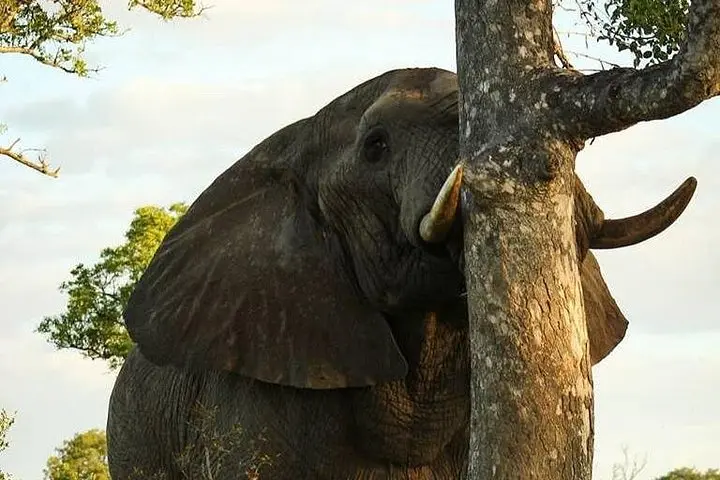
This three-day Kruger itinerary uses Hazyview as its base and pushes into classic southern park country: granite outcrops, riverine thickets along the Sabie system and broad savanna plains where elephants and buffalo still push trails through the grass. Kruger National Park, created in 1898 and named after Paul Kruger, is one of Africa’s oldest protected areas; its geology of gneiss and granite creates ridgelines and waterholes that concentrate wildlife and offer dramatic viewing.
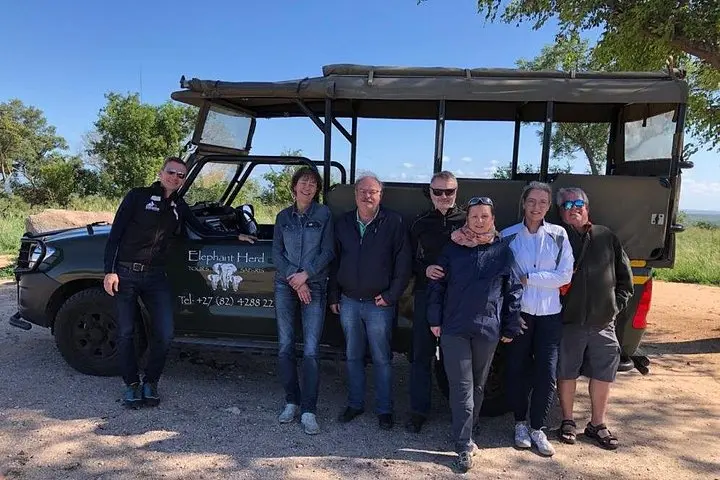
Guided from an open 4x4, guests ride at higher vantage for panoramic sightlines and photographic access. Mornings and late afternoons are prime—predators move, birds call and light sharpens the ridges. Cultural threads from local Tsonga and Swazi communities are visible in villages around the park; conservation here balances tourism revenue with anti-poaching and habitat management.
Practically: safaris begin pre-dawn, with a full-day loop that visits rest camps, lookout points and waterholes; a morning drive on day three gives one last push for the “Big Five.” Expect unsealed park roads, dusty conditions and variable distances between sightings. Guides interpret tracks, calls and animal behavior while conservation and entrance fees are covered in the package.
Bring layered sun protection, a long lens, and patience—wildlife appears on its own schedule. Hydrate, arrive rested and let the vehicle and guide do the hard work; this tour is about watching the bush move around you, not rushing through it.