THE ADVENTURE COLLECTIVE® · Independent discovery and booking for outdoor travel

Three days of Mpumalanga compress grand panoramas and close-up wildlife into a compact itinerary: sweep the Panorama Route’s escarpment viewpoints, then settle into open-jeep game drives through Kruger National Park for repeated encounters with the Big Five. Early mornings, expert guides and two nights in Hazyview make this an efficient safari primer.
Three days of Mpumalanga compress grand panoramas and close-up wildlife into a compact itinerary: sweep the Panorama Route’s escarpment viewpoints, then settle into open-jeep game drives through Kruger National Park for repeated encounters with the Big Five. Early mornings, expert guides and two nights in Hazyview make this an efficient safari primer.
At first light the open jeep nudges through a pale mist and the scrub of the Lowveld smells faintly of dust and rain. A bull elephant tromps through a stand of fever trees, raising a cloud of grit that the rising sun catches like ember. For three days this is the rhythm: long, low horizons in the Panorama Route; the vertical drama of Blyde River Canyon; and the slow, deliberate theater of Kruger National Park where lions mark territory and the plains seem to inhale and exhale with herds.
Verified experiences and guided adventures in the surrounding area.
Operated by Solly · Hazyview, Mpumalanga
At first light the open jeep nudges through a pale mist and the scrub of the Lowveld smells faintly of dust and rain. A bull elephant tromps through a stand of fever trees, raising a cloud of grit that the rising sun catches like ember. For three days this is the rhythm: long, low horizons in the Panorama Route; the vertical drama of Blyde River Canyon; and the slow, deliberate theater of Kruger National Park where lions mark territory and the plains seem to inhale and exhale with herds.
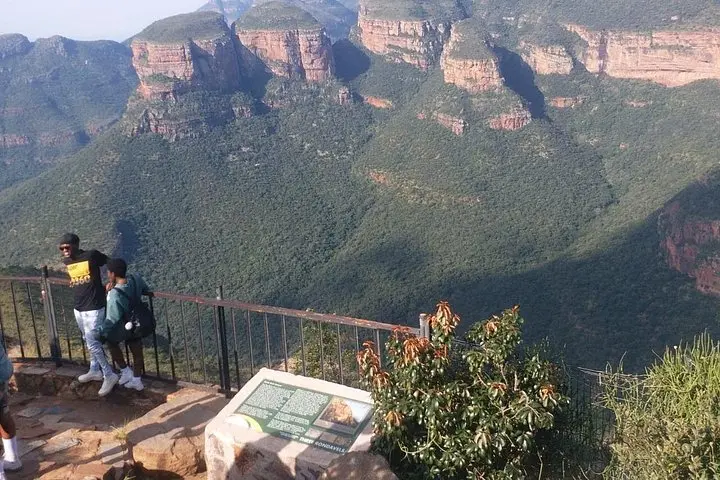
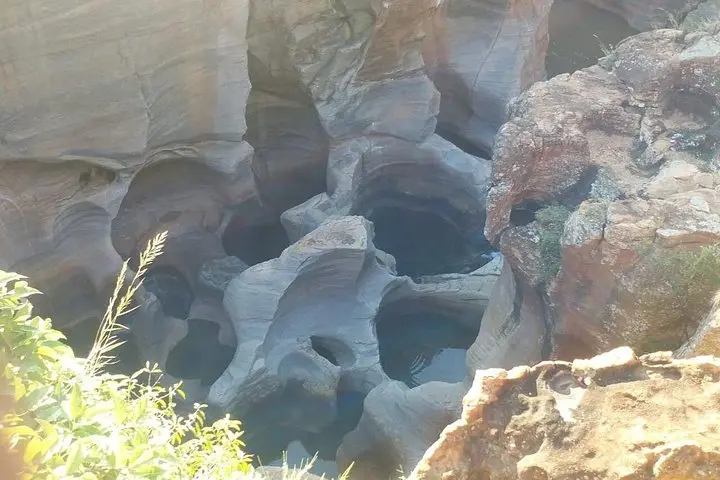
The tour threads together two distinct strands of Mpumalanga. The Panorama Route—God’s Window, Bourke’s Luck Potholes, the Three Rondavels—tells a geological story of escarpment, river erosion and the ancient basalt and quartzite that shape the cliffs. Kruger, by contrast, is a living archive. Established as a controlled reserve at the end of the 19th century and enlarged into a national park in the 1920s, it has been central to South Africa’s conservation history and the modern fight to protect rhinos and big cats.
Guided drives in the park use open jeeps to compress the distance between viewer and wildlife without disturbing natural behavior. The itinerary balances long game drives—where patient watching and the guides’ local knowledge reveal the Big Five—with the crisp scenic stops of the Panorama Route, a cultural touch of Mpumalanga’s gold-mining past at Pilgrim’s Rest and meals in Hazyview, where guesthouses supply cooling litchi juice after a dusty morning on safari.
Practically, the trip is straightforward but layered. Expect early starts, two nights in a four-star hotel in Hazyview, entrance fees and two full days of game drives included. Guides brief you on approach and safety—stay low in the vehicle, don’t feed animals, keep voices quiet. The Park’s unpaved roads demand attention in wet weather; vehicles traverse rutted tracks and occasional river fords. Fitness needs are moderate: brief walks from vehicles and getting in and out of the jeep are the norm.
Pack neutral clothing for concealment, a good sun hat and binoculars; charge batteries overnight and bring a lightweight rain shell for sudden Mpumalanga showers. If you want the best light for photography, plan your morning and late-afternoon drives around sunrise and golden hour. For first-timers, the combination of geology and game in three days gives a compact, high-yield introduction to one of Africa’s most iconic landscapes—wild, instructional and surprisingly accessible.
Dry months (May–September) concentrate animals near waterholes for more predictable sightings; early morning and late afternoon drives yield the most activity.
Yes—parts of Kruger and surrounding lowveld are malaria-risk; consult a travel clinic for prophylaxis and use repellents and nets where advised.
Entrance fees are included in this tour as stated; confirm at booking for any updates or changes.
Children can join but infants must sit on laps and operators advise suitability for age bands—check vaccination and safety guidance when booking.
No sighting is guaranteed, but the park’s density makes sightings of elephant, buffalo and impala common; lions, leopards and rhino are frequent but less predictable.
Tipping is customary: plan for a modest daily amount for your guide and driver, scaled to service and group size.
Solly operates guided outdoor trips and adventures with an emphasis on safety, stewardship, and memorable experiences.
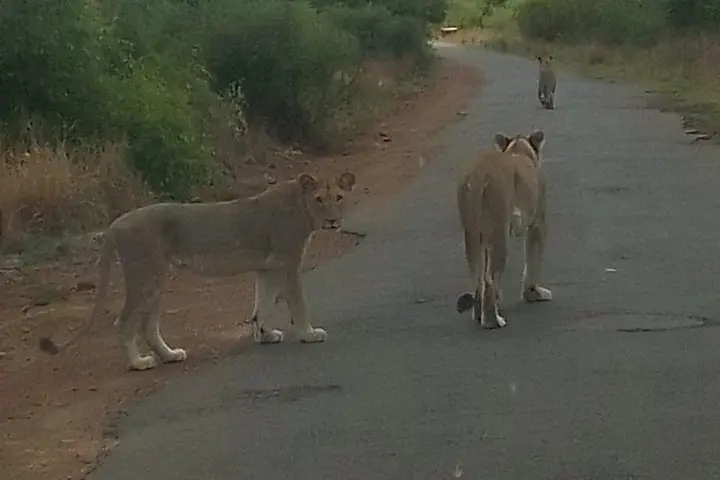
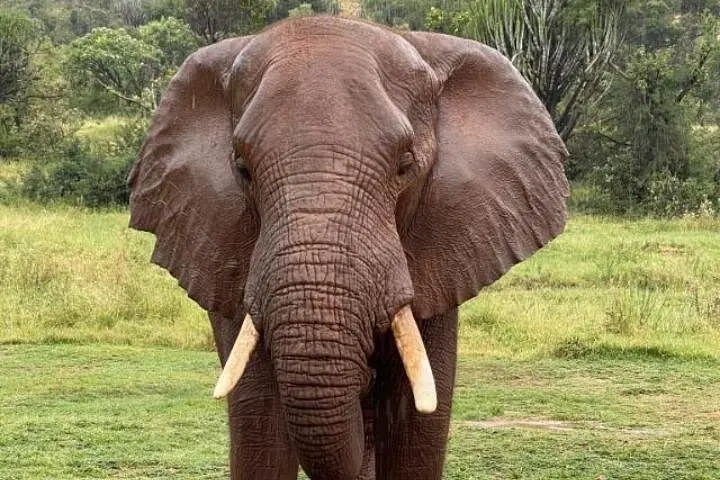
At first light the open jeep nudges through a pale mist and the scrub of the Lowveld smells faintly of dust and rain. A bull elephant tromps through a stand of fever trees, raising a cloud of grit that the rising sun catches like ember. For three days this is the rhythm: long, low horizons in the Panorama Route; the vertical drama of Blyde River Canyon; and the slow, deliberate theater of Kruger National Park where lions mark territory and the plains seem to inhale and exhale with herds.
At first light the open jeep nudges through a pale mist and the scrub of the Lowveld smells faintly of dust and rain. A bull elephant tromps through a stand of fever trees, raising a cloud of grit that the rising sun catches like ember. For three days this is the rhythm: long, low horizons in the Panorama Route; the vertical drama of Blyde River Canyon; and the slow, deliberate theater of Kruger National Park where lions mark territory and the plains seem to inhale and exhale with herds.
The tour threads together two distinct strands of Mpumalanga. The Panorama Route—God’s Window, Bourke’s Luck Potholes, the Three Rondavels—tells a geological story of escarpment, river erosion and the ancient basalt and quartzite that shape the cliffs. Kruger, by contrast, is a living archive. Established as a controlled reserve at the end of the 19th century and enlarged into a national park in the 1920s, it has been central to South Africa’s conservation history and the modern fight to protect rhinos and big cats.
Guided drives in the park use open jeeps to compress the distance between viewer and wildlife without disturbing natural behavior. The itinerary balances long game drives—where patient watching and the guides’ local knowledge reveal the Big Five—with the crisp scenic stops of the Panorama Route, a cultural touch of Mpumalanga’s gold-mining past at Pilgrim’s Rest and meals in Hazyview, where guesthouses supply cooling litchi juice after a dusty morning on safari.
Practically, the trip is straightforward but layered. Expect early starts, two nights in a four-star hotel in Hazyview, entrance fees and two full days of game drives included. Guides brief you on approach and safety—stay low in the vehicle, don’t feed animals, keep voices quiet. The Park’s unpaved roads demand attention in wet weather; vehicles traverse rutted tracks and occasional river fords. Fitness needs are moderate: brief walks from vehicles and getting in and out of the jeep are the norm.
Pack neutral clothing for concealment, a good sun hat and binoculars; charge batteries overnight and bring a lightweight rain shell for sudden Mpumalanga showers. If you want the best light for photography, plan your morning and late-afternoon drives around sunrise and golden hour. For first-timers, the combination of geology and game in three days gives a compact, high-yield introduction to one of Africa’s most iconic landscapes—wild, instructional and surprisingly accessible.