THE ADVENTURE COLLECTIVE® · Independent discovery and booking for outdoor travel

In three days you move from Mpumalanga’s dramatic escarpment to Kruger’s open plains—chasing waterfalls and the Big Five on an open-vehicle safari. This compact tour pairs geological highlights of the Panorama Route with a full-day game drive through Kruger National Park.
In three days you move from Mpumalanga’s dramatic escarpment to Kruger’s open plains—chasing waterfalls and the Big Five on an open-vehicle safari. This compact tour pairs geological highlights of the Panorama Route with a full-day game drive through Kruger National Park.
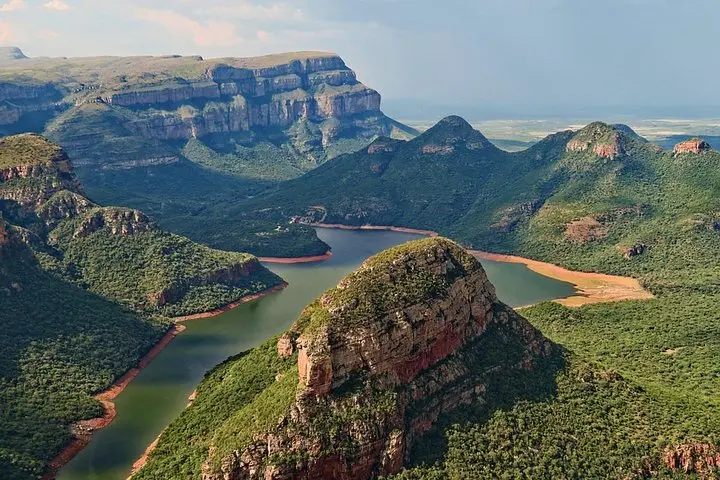
The bus eases away from Johannesburg before dawn, headlights cutting a path through the highveld as the landscape loosens into long, folded hills. By mid-morning the road climbs the escarpment and the air sharpens—Mpumalanga, literally “the place where the sun rises,” pulls you toward cliffs and waterfalls. At God’s Window the wind seems to push you to the lip of the escarpment; the lowveld below breathes hot and green, and the Blyde River Canyon stretches along the horizon like a living, mossy trench daring you to look deeper.
Verified experiences and guided adventures in the surrounding area.
Operated by Africa Moja Tours & Safaris · Hazyview, Mpumalanga
The bus eases away from Johannesburg before dawn, headlights cutting a path through the highveld as the landscape loosens into long, folded hills. By mid-morning the road climbs the escarpment and the air sharpens—Mpumalanga, literally “the place where the sun rises,” pulls you toward cliffs and waterfalls. At God’s Window the wind seems to push you to the lip of the escarpment; the lowveld below breathes hot and green, and the Blyde River Canyon stretches along the horizon like a living, mossy trench daring you to look deeper.
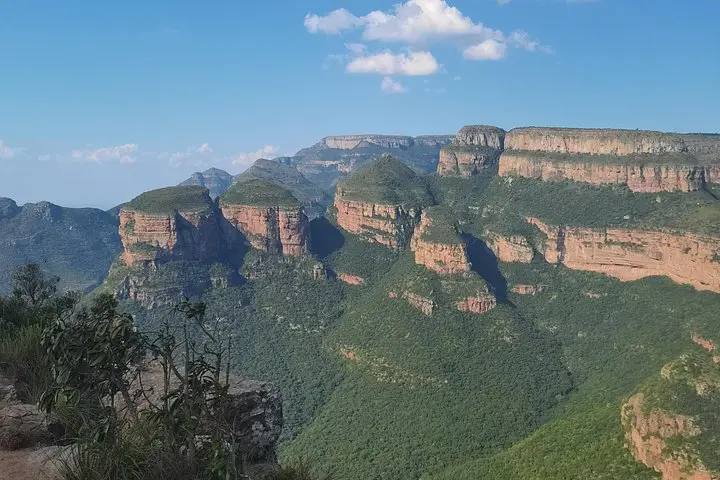
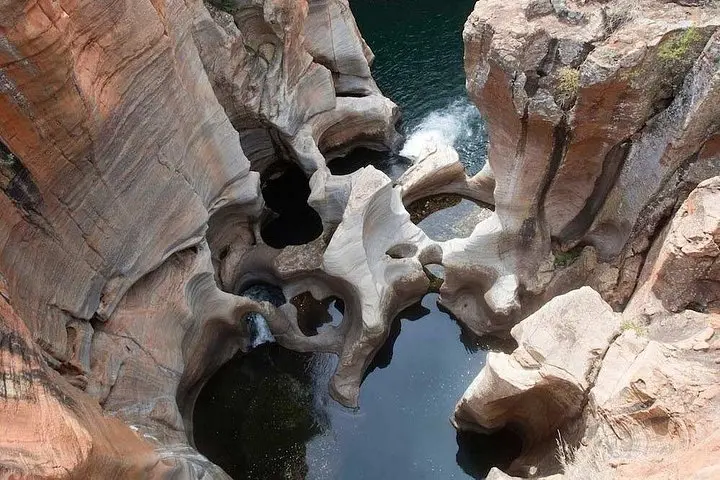
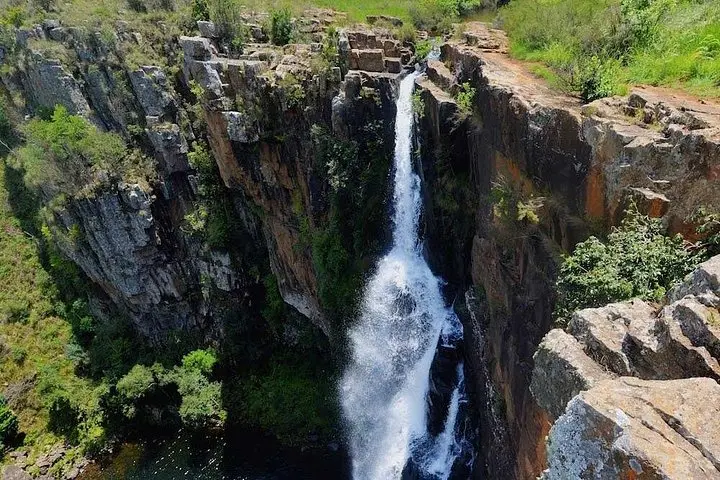
Day one is a study in geological motion: Bourke’s Luck Potholes, carved by millennia of swirling water, where rounded basins glitter like polished bowls; the Three Rondavels, three domed peaks whose shapes echo local homesteads and old Tsonga and Swazi landscape stories; and Berlin Falls, where a straight white curtain of water spills to dark rock pools. The canyon itself is 26 km long and, unlike arid canyons elsewhere, it’s a ‘‘green canyon’’—subtropical vegetation clinging to sandstone walls, ferns and aloes pushing through cracks.
On day two the tempo shifts. You rise before sunrise to enter Kruger National Park through Phabeni Gate in an open 4x4. Morning light pins dust motes to the vehicle as rangers parse spoor—elephant tracks like overturned trunks, the delicate drag of a leopard’s tail. Kruger is a layered landscape: mopane woodlands, riverine gallery forests and long grass plains that hide both grazers and hunters. The tour’s aim is simple and uncompromising—track the Big Five in their morning rituals: bulls moving toward pans, lion prides lounging in sun pockets, and the distant glint of a buffalo herd shifting like a dark wave.
Cultural context threads through the route. Mpumalanga has been a corridor for trade and migration for centuries; place-names and local guides carry stories of colonial encounters and indigenous resilience. Conservation work in Kruger—anti-poaching patrols, community outreach, and scientific monitoring—shapes how safaris operate today.
Practical edge: expect long driving segments (Johannesburg to Hazyview roughly 4.5–5 hours), early starts (vehicles depart at first light), and open-air safari conditions—sun, dust, and sudden rain. Bring layered clothing for cool mornings and hot afternoons, binoculars, and a camera with a zoom lens. Follow your guide’s distances from animals and keep noise to a minimum; the thrill is in patience as much as speed.
Whether you came for waterfalls or wildlife, this three-day circuit pairs sweeping geology with guided, ethically minded game viewing—compact, intense, and designed to put the region’s most iconic elements within reach of a long weekend from Johannesburg.
Expect about 4.5–5 hours of driving depending on traffic and stops—the tour includes scenic breaks along the Panorama Route.
Yes—this tour lists all fees and taxes as included in the price.
Layered clothing for cool mornings, a hat for sun protection, and neutral colors to avoid startling wildlife; closed-toe shoes are recommended.
The tour focuses on finding the Big Five, but sightings depend on animal movement and luck; guides maximize opportunities with morning and afternoon drives.
Children are welcome and infant seats are available, but operators note it’s not recommended for pregnant travelers and involves long drives.
Yes—pick-up is offered from hotels across Johannesburg and there’s an option for airport transfer; confirm exact address at booking.
Africa Moja Tours & Safaris operates guided outdoor trips and adventures with an emphasis on safety, stewardship, and memorable experiences.
The bus eases away from Johannesburg before dawn, headlights cutting a path through the highveld as the landscape loosens into long, folded hills. By mid-morning the road climbs the escarpment and the air sharpens—Mpumalanga, literally “the place where the sun rises,” pulls you toward cliffs and waterfalls. At God’s Window the wind seems to push you to the lip of the escarpment; the lowveld below breathes hot and green, and the Blyde River Canyon stretches along the horizon like a living, mossy trench daring you to look deeper.
The bus eases away from Johannesburg before dawn, headlights cutting a path through the highveld as the landscape loosens into long, folded hills. By mid-morning the road climbs the escarpment and the air sharpens—Mpumalanga, literally “the place where the sun rises,” pulls you toward cliffs and waterfalls. At God’s Window the wind seems to push you to the lip of the escarpment; the lowveld below breathes hot and green, and the Blyde River Canyon stretches along the horizon like a living, mossy trench daring you to look deeper.
Day one is a study in geological motion: Bourke’s Luck Potholes, carved by millennia of swirling water, where rounded basins glitter like polished bowls; the Three Rondavels, three domed peaks whose shapes echo local homesteads and old Tsonga and Swazi landscape stories; and Berlin Falls, where a straight white curtain of water spills to dark rock pools. The canyon itself is 26 km long and, unlike arid canyons elsewhere, it’s a ‘‘green canyon’’—subtropical vegetation clinging to sandstone walls, ferns and aloes pushing through cracks.
On day two the tempo shifts. You rise before sunrise to enter Kruger National Park through Phabeni Gate in an open 4x4. Morning light pins dust motes to the vehicle as rangers parse spoor—elephant tracks like overturned trunks, the delicate drag of a leopard’s tail. Kruger is a layered landscape: mopane woodlands, riverine gallery forests and long grass plains that hide both grazers and hunters. The tour’s aim is simple and uncompromising—track the Big Five in their morning rituals: bulls moving toward pans, lion prides lounging in sun pockets, and the distant glint of a buffalo herd shifting like a dark wave.
Cultural context threads through the route. Mpumalanga has been a corridor for trade and migration for centuries; place-names and local guides carry stories of colonial encounters and indigenous resilience. Conservation work in Kruger—anti-poaching patrols, community outreach, and scientific monitoring—shapes how safaris operate today.
Practical edge: expect long driving segments (Johannesburg to Hazyview roughly 4.5–5 hours), early starts (vehicles depart at first light), and open-air safari conditions—sun, dust, and sudden rain. Bring layered clothing for cool mornings and hot afternoons, binoculars, and a camera with a zoom lens. Follow your guide’s distances from animals and keep noise to a minimum; the thrill is in patience as much as speed.
Whether you came for waterfalls or wildlife, this three-day circuit pairs sweeping geology with guided, ethically minded game viewing—compact, intense, and designed to put the region’s most iconic elements within reach of a long weekend from Johannesburg.