THE ADVENTURE COLLECTIVE® · Independent discovery and booking for outdoor travel

Spend three days aboard a traditional junk exploring Lan Ha Bay’s limestone towers, hidden lagoons, and Viet Hai village. Paddle through caves, cycle village lanes, and experience a rare bioluminescent night kayak under the stars.
Spend three days aboard a traditional junk exploring Lan Ha Bay’s limestone towers, hidden lagoons, and Viet Hai village. Paddle through caves, cycle village lanes, and experience a rare bioluminescent night kayak under the stars.
A low-slung junk slips out of Ben Beo as the morning light beads on emerald water. Limestone towers loom like broken columns; gulls wheel and the water pushes you gently between islands. The first day is spent drifting and watching karst cliffs change with the sun, then swapping the deck for a kayak to thread through narrow tunnels and still lagoons.
Verified experiences and guided adventures in the surrounding area.
Operated by Beka Travel · Cat Ba, Hai Phong
A low-slung junk slips out of Ben Beo as the morning light beads on emerald water. Limestone towers loom like broken columns; gulls wheel and the water pushes you gently between islands. The first day is spent drifting and watching karst cliffs change with the sun, then swapping the deck for a kayak to thread through narrow tunnels and still lagoons.
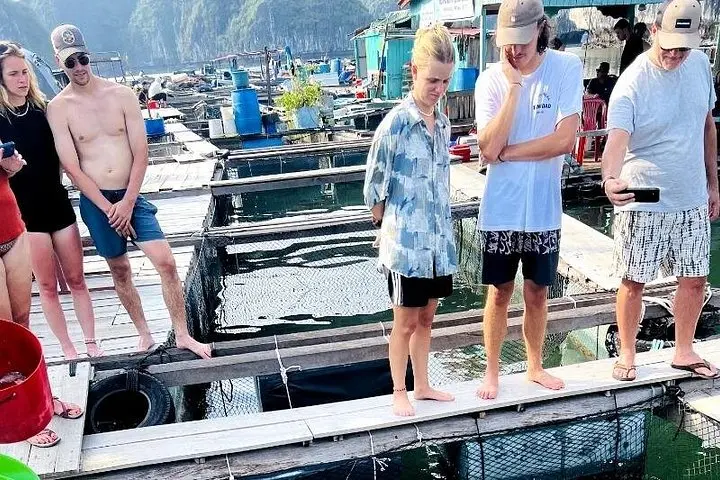
Lan Ha Bay shares the same karst geology as neighboring Ha Long: limestone folded and eroded over millions of years into steep towers, caves, and hidden beaches. The region has been a fishing and boat-dwelling culture for generations—Cai Beo floating village still shows traditional stilt houses and net rafts—and recent tourism growth has brought homestays in Viet Hai and community-run attractions.
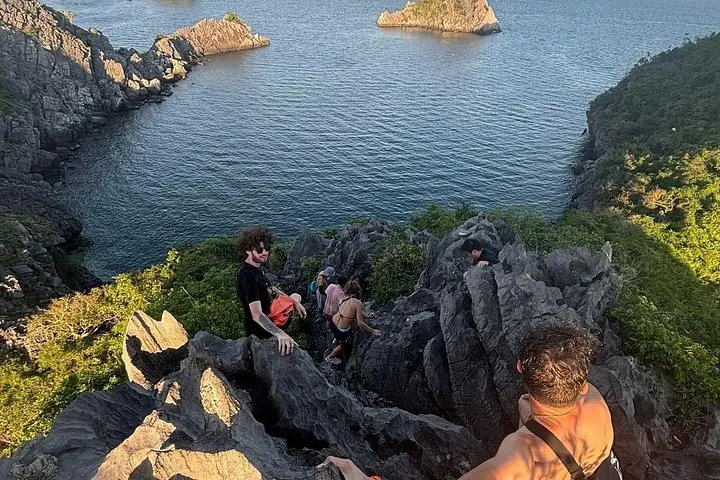
Expect short hikes and bike loops on Cat Ba’s Viet Hai trail network, and a 15–30 minute scramble to the Monkey Island viewpoint (roughly 80–120 m elevation gain) for wide bay views. Kayak legs are typically 1–3 km, often through calm lagoons and cave mouths; guides provide instruction for novice paddlers.
Practical guidance: pack quick-dry layers, reef-safe sunscreen, a light rain shell and a small dry bag for electronics. Plan travel time from Hanoi (3–4 hours by road/ferry) and note that summer brings heat and occasional storms; bioluminescent kayaking is weather-dependent. Respect no-go zones and local conservation measures—do not feed wildlife, and carry out plastics.
This trip balances relaxed cruising with active exploration: easy paddles, village cycling, and quiet beaches framed by towering stone—an accessible, immersive way to experience northern Vietnam’s karst seascape.
Lan Ha Bay is generally calmer than open ocean, but if you are prone to motion sickness bring medication or acupressure bands; sit midship and focus on the horizon.
No — bioluminescence depends on water conditions and weather; operators schedule night paddles when areas are glowing but sightings cannot be promised.
Yes — routes are short and guides offer basic instruction; cycling in Viet Hai is low-traffic but uneven, so basic bike control is helpful.
Rarely—Cat Ba langurs are critically endangered and sightings are uncommon; your best chance is quiet shorelines and protected forest near Cat Ba National Park, but never approach or feed wildlife.
Beka Travel operates guided outdoor trips and adventures with an emphasis on safety, stewardship, and memorable experiences.

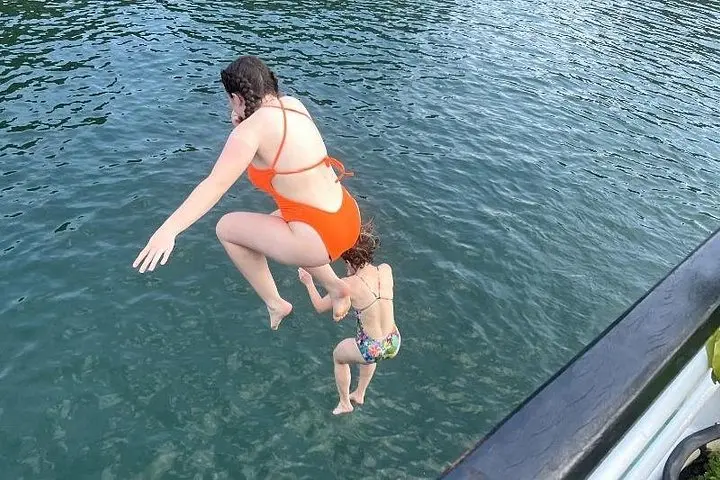
A low-slung junk slips out of Ben Beo as the morning light beads on emerald water. Limestone towers loom like broken columns; gulls wheel and the water pushes you gently between islands. The first day is spent drifting and watching karst cliffs change with the sun, then swapping the deck for a kayak to thread through narrow tunnels and still lagoons.
A low-slung junk slips out of Ben Beo as the morning light beads on emerald water. Limestone towers loom like broken columns; gulls wheel and the water pushes you gently between islands. The first day is spent drifting and watching karst cliffs change with the sun, then swapping the deck for a kayak to thread through narrow tunnels and still lagoons.
Lan Ha Bay shares the same karst geology as neighboring Ha Long: limestone folded and eroded over millions of years into steep towers, caves, and hidden beaches. The region has been a fishing and boat-dwelling culture for generations—Cai Beo floating village still shows traditional stilt houses and net rafts—and recent tourism growth has brought homestays in Viet Hai and community-run attractions.
Expect short hikes and bike loops on Cat Ba’s Viet Hai trail network, and a 15–30 minute scramble to the Monkey Island viewpoint (roughly 80–120 m elevation gain) for wide bay views. Kayak legs are typically 1–3 km, often through calm lagoons and cave mouths; guides provide instruction for novice paddlers.
Practical guidance: pack quick-dry layers, reef-safe sunscreen, a light rain shell and a small dry bag for electronics. Plan travel time from Hanoi (3–4 hours by road/ferry) and note that summer brings heat and occasional storms; bioluminescent kayaking is weather-dependent. Respect no-go zones and local conservation measures—do not feed wildlife, and carry out plastics.
This trip balances relaxed cruising with active exploration: easy paddles, village cycling, and quiet beaches framed by towering stone—an accessible, immersive way to experience northern Vietnam’s karst seascape.