THE ADVENTURE COLLECTIVE® · Independent discovery and booking for outdoor travel

Cover Lebanon’s coastline, ancient cities and karst caves in a compact three-day loop. This guided tour moves from Byblos and Jeita to Baalbek, Sidon and Tyre with private transport and short onsite walks.
Cover Lebanon’s coastline, ancient cities and karst caves in a compact three-day loop. This guided tour moves from Byblos and Jeita to Baalbek, Sidon and Tyre with private transport and short onsite walks.
You arrive at a sun-warmed harbor road in Byblos with gulls hawking the breeze and a ruined Roman column catching the late light.
Verified experiences and guided adventures in the surrounding area.
Operated by Lebanon Tours Online By Fadi Eid · Beirut, Beirut Governorate
You arrive at a sun-warmed harbor road in Byblos with gulls hawking the breeze and a ruined Roman column catching the late light.
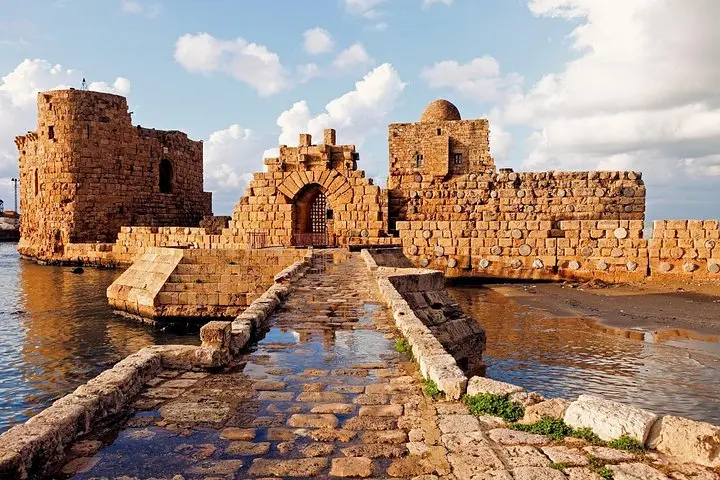
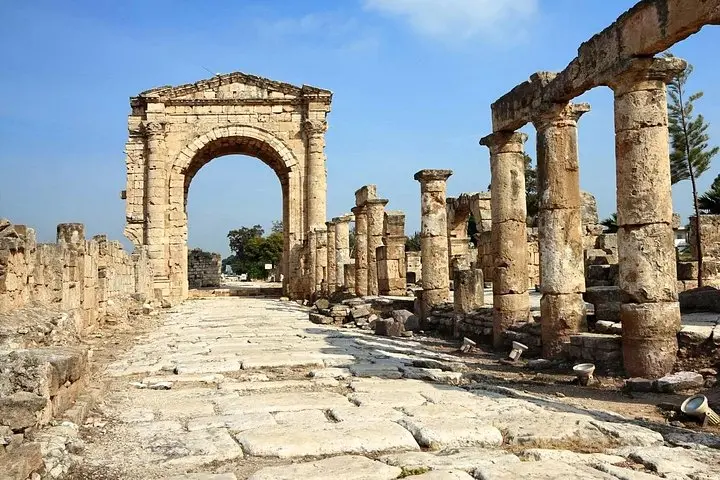
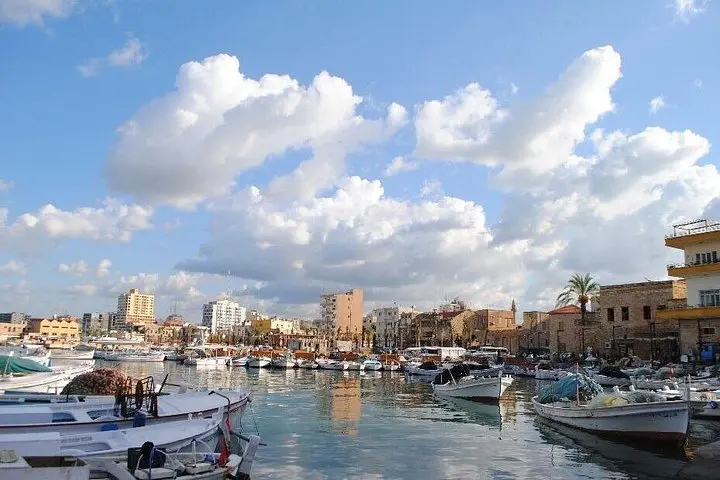
Over three days this loop pushes from coastal citadels to Bekaa Valley plateaus and back again—each stop a different chapter of Lebanon’s long story. Byblos (Jbeil) gives the sense of continuous human presence: fishing boats, ancient harbor stones, and narrow souks. Jeita, perched around 380 m above sea level, contrasts with its cool, limestone-carved cave passages. Baalbek’s Roman temples sit on a broad plain in the Bekaa, the columns rising like deliberate gestures to antiquity. Southward, Sidon and Tyre recall Phoenician maritime power—sea castles, soap museums and coastal ruins where waves keep time.
Geology and history are on constant display: karst caves, Roman stonework, and Phoenician ports that fed Mediterranean trade. Culture is present-day too—Maronite shrines in Jeita and the living Armenian heritage of Anjar. Local guides translate place names into stories; drivers thread narrow mountain roads with practiced calm.
Practical guide: the tour uses private transportation and requires light walking at ruins and cave entrances; entrances and some lunches are typically paid locally. Expect varied microclimates—cooler elevations at Jeita and hot, dry plains at Baalbek. Bring sturdy walking shoes, sun protection, and a small daypack. Start early to avoid midday heat at open sites and budget time for onsite ticketing and short hikes around ruins. Mobile reception can be patchy in valleys—download maps and carry local cash for smaller vendors.
Most entrances and museum tickets are not included and are paid locally; your guide will advise on ticketing at each stop.
Each stop requires light walking—short site circuits, a few stair sections and flat harbor promenades; expect 30–60 minutes of walking at major sites.
Private transportation between sites is included as part of the tour’s amenities; pickup location is confirmed at booking.
Drivers speak English and guides may be available in English, Italian, Spanish, French, German, Russian and Arabic depending on booking.
Lebanon Tours Online By Fadi Eid operates guided outdoor trips and adventures with an emphasis on safety, stewardship, and memorable experiences.

You arrive at a sun-warmed harbor road in Byblos with gulls hawking the breeze and a ruined Roman column catching the late light.
You arrive at a sun-warmed harbor road in Byblos with gulls hawking the breeze and a ruined Roman column catching the late light.
Over three days this loop pushes from coastal citadels to Bekaa Valley plateaus and back again—each stop a different chapter of Lebanon’s long story. Byblos (Jbeil) gives the sense of continuous human presence: fishing boats, ancient harbor stones, and narrow souks. Jeita, perched around 380 m above sea level, contrasts with its cool, limestone-carved cave passages. Baalbek’s Roman temples sit on a broad plain in the Bekaa, the columns rising like deliberate gestures to antiquity. Southward, Sidon and Tyre recall Phoenician maritime power—sea castles, soap museums and coastal ruins where waves keep time.
Geology and history are on constant display: karst caves, Roman stonework, and Phoenician ports that fed Mediterranean trade. Culture is present-day too—Maronite shrines in Jeita and the living Armenian heritage of Anjar. Local guides translate place names into stories; drivers thread narrow mountain roads with practiced calm.
Practical guide: the tour uses private transportation and requires light walking at ruins and cave entrances; entrances and some lunches are typically paid locally. Expect varied microclimates—cooler elevations at Jeita and hot, dry plains at Baalbek. Bring sturdy walking shoes, sun protection, and a small daypack. Start early to avoid midday heat at open sites and budget time for onsite ticketing and short hikes around ruins. Mobile reception can be patchy in valleys—download maps and carry local cash for smaller vendors.