THE ADVENTURE COLLECTIVE® · Independent discovery and booking for outdoor travel

Drive across the rain-shadowed valley of Lower Mustang to Jomsom, Muktinath and Marpha on a compact 3-day 4WD circuit. Expect rough tracks, short hikes, high-altitude views and cultural stops including apple orchards, a revered temple and natural hot springs.
Drive across the rain-shadowed valley of Lower Mustang to Jomsom, Muktinath and Marpha on a compact 3-day 4WD circuit. Expect rough tracks, short hikes, high-altitude views and cultural stops including apple orchards, a revered temple and natural hot springs.
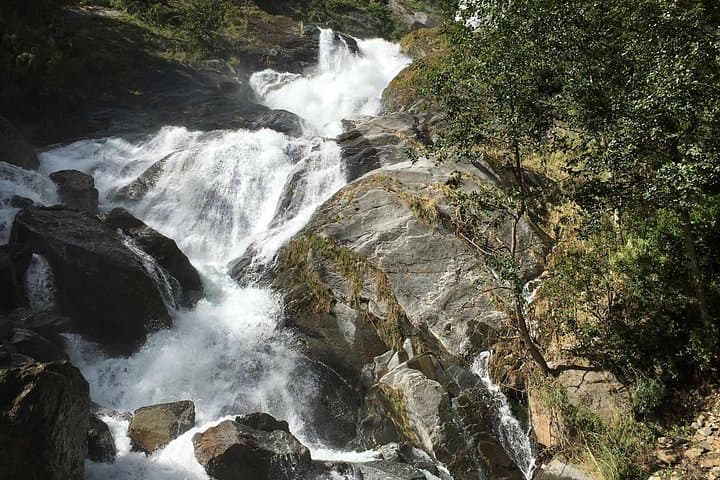
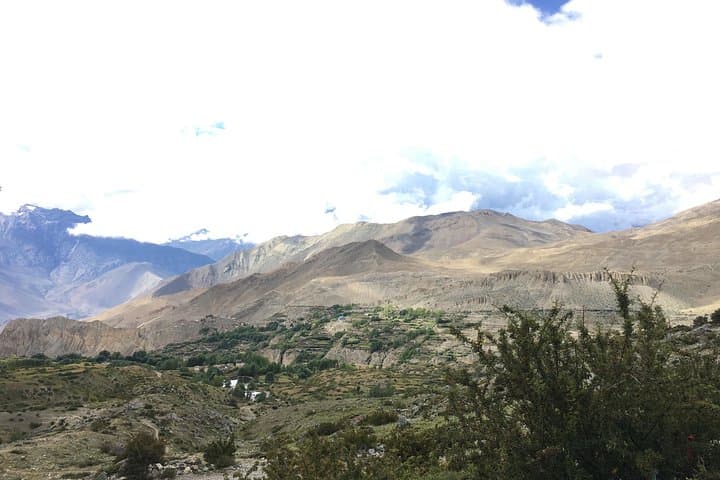
The road kicks up a rooster-tail of dust as the 4WD threads the Kali Gandaki gorge, cliffs squeezing the sky until the snow‑banded Annapurna and Dhaulagiri ranges push the horizon into serrated silhouettes. Wind tugs at layers, and the valley’s dry, almost lunar light gives the hills a raw, sculpted look—this is Lower Mustang: a place where desert winds dare you to slow down and take notice.
Verified experiences and guided adventures in the surrounding area.
Operated by Peak to Peak Tours and Treks Pvt Ltd · Jomsom, Gandaki Province
The road kicks up a rooster-tail of dust as the 4WD threads the Kali Gandaki gorge, cliffs squeezing the sky until the snow‑banded Annapurna and Dhaulagiri ranges push the horizon into serrated silhouettes. Wind tugs at layers, and the valley’s dry, almost lunar light gives the hills a raw, sculpted look—this is Lower Mustang: a place where desert winds dare you to slow down and take notice.
Lower Mustang has long been a cultural threshold between the high Tibetan plateau and central Nepal. Geologically it sits in the rain shadow of the main Himalaya: wind and river have carved red-grey cliffs and jagged terraces, while ancient trade routes left fortified villages and gompas. Expect Thakali hospitality in stone lodges, apple orchards in Marpha and the spiritual bustle at Muktinath, a temple revered in both Hindu and Buddhist traditions.
Practically, this is a vehicle-driven, multi-day exploration with short hikes: Jomsom sits near 2,700 m, Muktinath around 3,700–3,800 m. Roads are mostly rough jeep tracks with long driving blocks—plan for several hours per transfer. Guides and permits (Annapurna Conservation Area Permit and TIMS) are commonly handled by operators. Lodging is basic but comfortable; bring layers, sun protection and a small daypack for temple walks and hot-spring stops. Water and cash are essential—ATMs are limited beyond Pokhara.
Timing matters: spring and autumn offer the clearest mountain views; monsoon softens the terrain and increases dust and washouts. If you want stark landscapes, quiet villages and a compact taste of trans‑Himalayan culture without long treks, a 3-day 4WD circuit to Lower Mustang delivers a dense, practical Himalayan experience.
Yes—Annapurna Conservation Area Permit (ACAP) and TIMS are typically handled by the operator as part of the trip inclusions.
Jomsom sits around 2,700 m and Muktinath about 3,700–3,800 m; brief acclimatization reduces risk, but watch for headache or nausea and hydrate.
Overnights are in basic lodges with private rooms or twin beds, simple meals and limited hot water—comfort is functional rather than luxury.
The tour is vehicle-focused and wheelchair accessibility is noted, but rough roads and short walks at uneven sites mean you should assess individual mobility and comfort with bumpy transfers.
Peak to Peak Tours and Treks Pvt Ltd operates guided outdoor trips and adventures with an emphasis on safety, stewardship, and memorable experiences.


The road kicks up a rooster-tail of dust as the 4WD threads the Kali Gandaki gorge, cliffs squeezing the sky until the snow‑banded Annapurna and Dhaulagiri ranges push the horizon into serrated silhouettes. Wind tugs at layers, and the valley’s dry, almost lunar light gives the hills a raw, sculpted look—this is Lower Mustang: a place where desert winds dare you to slow down and take notice.
The road kicks up a rooster-tail of dust as the 4WD threads the Kali Gandaki gorge, cliffs squeezing the sky until the snow‑banded Annapurna and Dhaulagiri ranges push the horizon into serrated silhouettes. Wind tugs at layers, and the valley’s dry, almost lunar light gives the hills a raw, sculpted look—this is Lower Mustang: a place where desert winds dare you to slow down and take notice.
Lower Mustang has long been a cultural threshold between the high Tibetan plateau and central Nepal. Geologically it sits in the rain shadow of the main Himalaya: wind and river have carved red-grey cliffs and jagged terraces, while ancient trade routes left fortified villages and gompas. Expect Thakali hospitality in stone lodges, apple orchards in Marpha and the spiritual bustle at Muktinath, a temple revered in both Hindu and Buddhist traditions.
Practically, this is a vehicle-driven, multi-day exploration with short hikes: Jomsom sits near 2,700 m, Muktinath around 3,700–3,800 m. Roads are mostly rough jeep tracks with long driving blocks—plan for several hours per transfer. Guides and permits (Annapurna Conservation Area Permit and TIMS) are commonly handled by operators. Lodging is basic but comfortable; bring layers, sun protection and a small daypack for temple walks and hot-spring stops. Water and cash are essential—ATMs are limited beyond Pokhara.
Timing matters: spring and autumn offer the clearest mountain views; monsoon softens the terrain and increases dust and washouts. If you want stark landscapes, quiet villages and a compact taste of trans‑Himalayan culture without long treks, a 3-day 4WD circuit to Lower Mustang delivers a dense, practical Himalayan experience.