THE ADVENTURE COLLECTIVE® · Independent discovery and booking for outdoor travel

See Aswan, Abu Simbel and Luxor in a compact three-day loop from Cairo: island temples, colossal façades and a sunrise balloon over the Valley of the Kings. This package pairs efficient internal flights and transfers with guided visits and two hotel nights to maximize sightseeing time.
See Aswan, Abu Simbel and Luxor in a compact three-day loop from Cairo: island temples, colossal façades and a sunrise balloon over the Valley of the Kings. This package pairs efficient internal flights and transfers with guided visits and two hotel nights to maximize sightseeing time.
Before dawn the Nile looks like a slow, patient river that keeps a long memory — you feel it as the plane touches down in Aswan and the heat leans in like a welcome. Over three days you move along a carved history: island temples rising from Lake Nasser, colossal stone faces at Abu Simbel, and the funerary cliffs of the Valley of the Kings opposite Luxor.
Verified experiences and guided adventures in the surrounding area.
Operated by Egypt Travel Line · Cairo, Cairo Governorate
Before dawn the Nile looks like a slow, patient river that keeps a long memory — you feel it as the plane touches down in Aswan and the heat leans in like a welcome. Over three days you move along a carved history: island temples rising from Lake Nasser, colossal stone faces at Abu Simbel, and the funerary cliffs of the Valley of the Kings opposite Luxor.
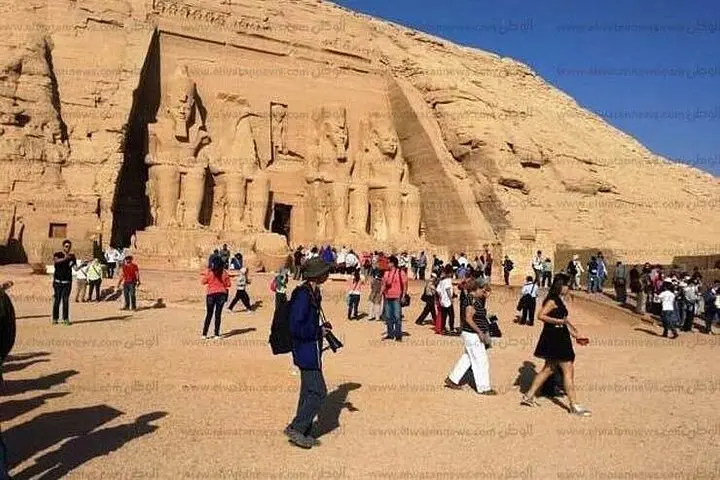
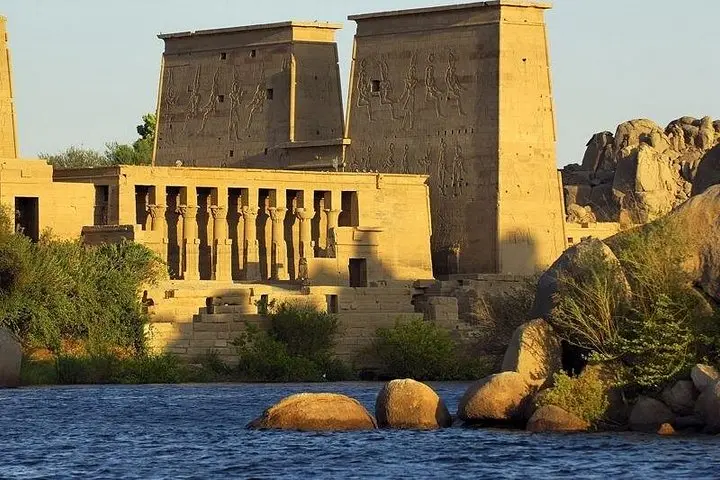
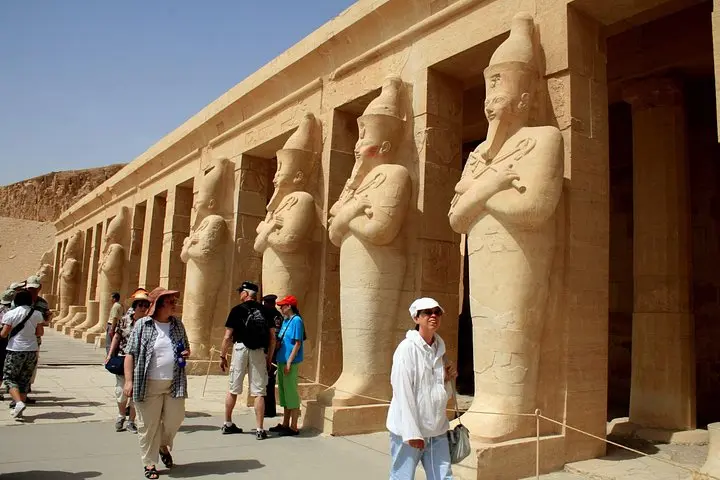
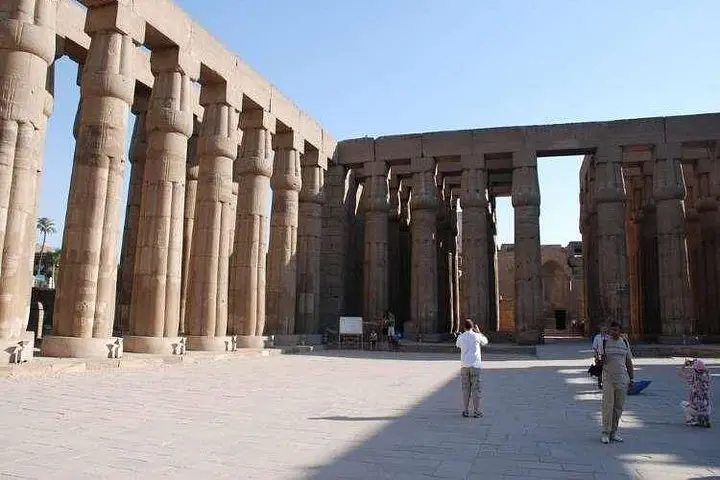
The itinerary threads modern logistics with millennia-old engineering. Philae was rescued from inundation during the UNESCO Nubia Campaign and rebuilt on Agilkia Island; the Aswan High Dam reshaped the floodplain and Egypt’s electricity grid. Abu Simbel, carved under Ramses II, reads like imperial theater, while Luxor’s Karnak and Luxor Temples are layers of successive pharaonic projects, each addition straining skyward through giant columns and avenues of sphinxes.
Expect guided walks across sunbaked stone, short boat transfers to temple islands, a dawn hot-air balloon over the West Bank, and one overnight in Aswan and another in Luxor at four-star hotels. The travel rhythm is brisk: internal flights and a night train link Abu Simbel to Luxor, so pack light and plan for early starts. Hydrate aggressively, wear sun-protective clothing, and use respectful behavior at religious sites — voices and tripods matter.
Practical tips: confirm passport details and flight connections in advance, bring cash for local vendors, and allocate time to savor quieter corners — like the Nubian Museum in Aswan or the lesser-trod temple terraces on Luxor’s west side. The trip compresses Egypt’s monumental past into three active days, giving both spectacle and context in equal measure.
Round-trip flights Cairo–Aswan and Luxor–Cairo plus the train segment used on the Abu Simbel–Luxor leg are included in the package.
Yes — the balloon trip is included; operators follow local safety procedures but passengers should follow crew instructions and disclose health issues.
The tour notes wheelchair accessibility and offers pickup options; communicate mobility requirements at booking so operators can accommodate where possible.
Many nationalities require a visa for Egypt — check current entry rules before travel and ensure passport validity meets requirements.
Egypt Travel Line operates guided outdoor trips and adventures with an emphasis on safety, stewardship, and memorable experiences.
Before dawn the Nile looks like a slow, patient river that keeps a long memory — you feel it as the plane touches down in Aswan and the heat leans in like a welcome. Over three days you move along a carved history: island temples rising from Lake Nasser, colossal stone faces at Abu Simbel, and the funerary cliffs of the Valley of the Kings opposite Luxor.
Before dawn the Nile looks like a slow, patient river that keeps a long memory — you feel it as the plane touches down in Aswan and the heat leans in like a welcome. Over three days you move along a carved history: island temples rising from Lake Nasser, colossal stone faces at Abu Simbel, and the funerary cliffs of the Valley of the Kings opposite Luxor.
The itinerary threads modern logistics with millennia-old engineering. Philae was rescued from inundation during the UNESCO Nubia Campaign and rebuilt on Agilkia Island; the Aswan High Dam reshaped the floodplain and Egypt’s electricity grid. Abu Simbel, carved under Ramses II, reads like imperial theater, while Luxor’s Karnak and Luxor Temples are layers of successive pharaonic projects, each addition straining skyward through giant columns and avenues of sphinxes.
Expect guided walks across sunbaked stone, short boat transfers to temple islands, a dawn hot-air balloon over the West Bank, and one overnight in Aswan and another in Luxor at four-star hotels. The travel rhythm is brisk: internal flights and a night train link Abu Simbel to Luxor, so pack light and plan for early starts. Hydrate aggressively, wear sun-protective clothing, and use respectful behavior at religious sites — voices and tripods matter.
Practical tips: confirm passport details and flight connections in advance, bring cash for local vendors, and allocate time to savor quieter corners — like the Nubian Museum in Aswan or the lesser-trod temple terraces on Luxor’s west side. The trip compresses Egypt’s monumental past into three active days, giving both spectacle and context in equal measure.