THE ADVENTURE COLLECTIVE® · Independent discovery and booking for outdoor travel

Trace ancient processional ways, descend into painted royal tombs and stand beneath Hathor’s carved ceiling on a three-day, private Luxor tour guided by a licensed Egyptologist. Practical pacing, early starts and respectful behaviour unlock the best of Luxor and a day trip to Dendera.
Trace ancient processional ways, descend into painted royal tombs and stand beneath Hathor’s carved ceiling on a three-day, private Luxor tour guided by a licensed Egyptologist. Practical pacing, early starts and respectful behaviour unlock the best of Luxor and a day trip to Dendera.
Dawn on the Nile in Luxor feels like a promise: the river nudges the city awake while temple columns hold the low light like tall, silent witnesses.
Verified experiences and guided adventures in the surrounding area.
Operated by Eyes of Egypt · Luxor, Luxor Governorate
Dawn on the Nile in Luxor feels like a promise: the river nudges the city awake while temple columns hold the low light like tall, silent witnesses.
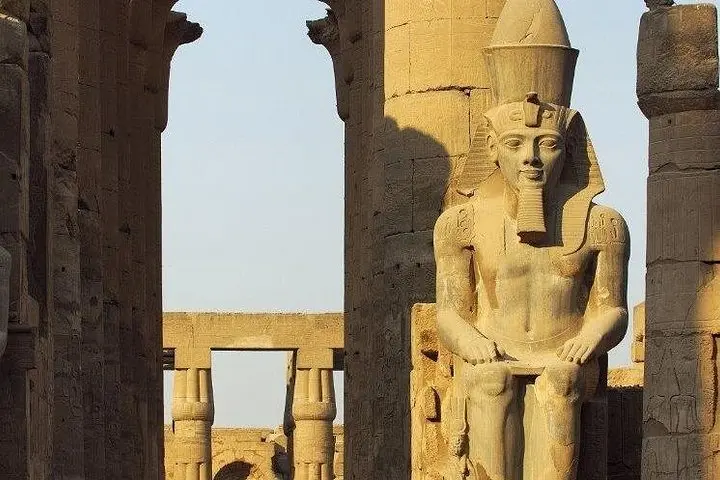
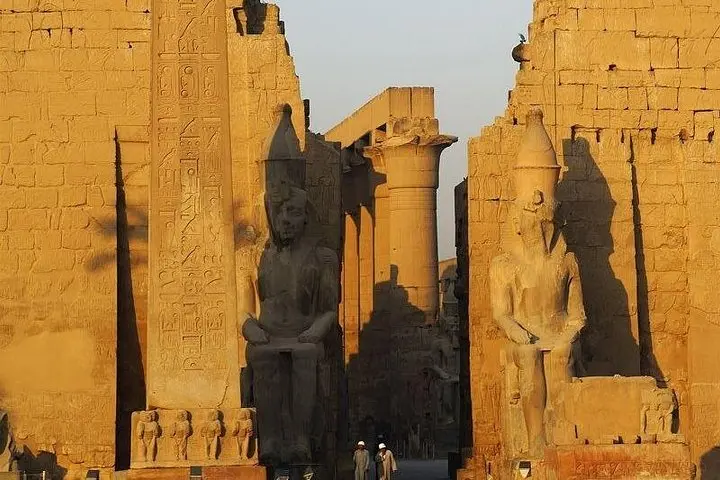
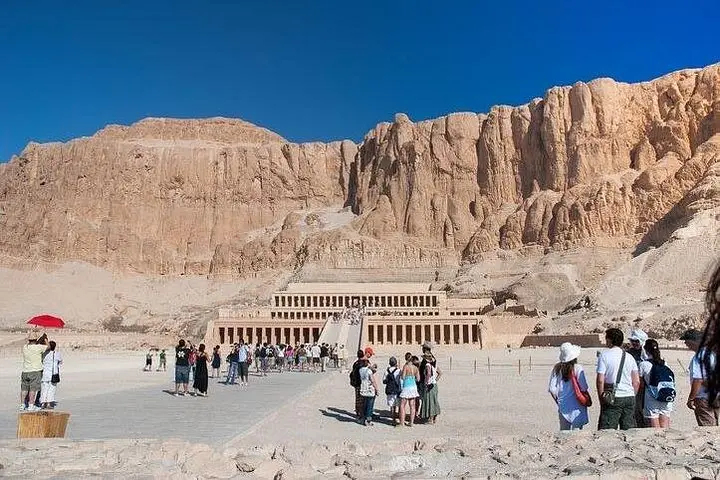
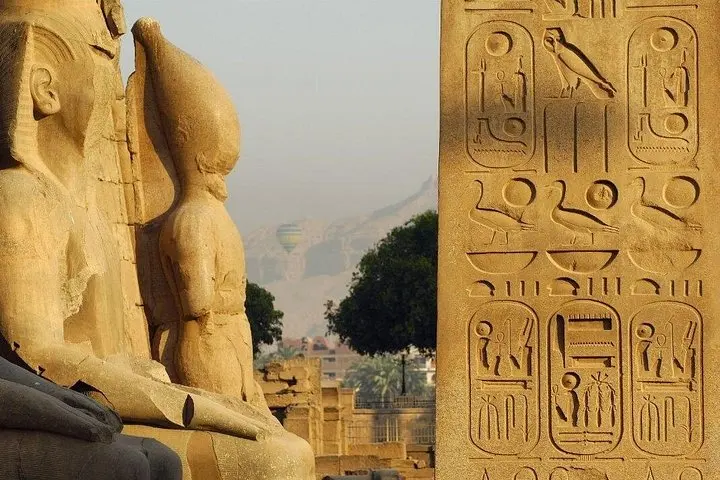
Over three days you move between two worlds — the lush riverbank of the East where Karnak and Luxor Temples stretch their colonnades, and the arid west where the Valley of the Kings cleaves into limestone hills and Hatshepsut’s terraced mortuary temple rises from the rock. A licensed Egyptologist guides each step, unpacking pharaonic rituals, dynastic rivalries and the Ptolemaic-era carvings at Dendera, 53 km north, whose Hathor capitals and astronomical ceiling still reward close inspection.
Geology matters here: the Nile floodplain gives way to wind-polished desert and the calcite-rich stone that builders carved for millennia. Culture hangs in the souq — vendors, cafés and craftsmen continue daily patterns that tourists easily join.
Practical edge: plan short walking segments and early starts to avoid heat and crowds. Tomb interiors are cool but possess steep, narrow stairs and preserved pigments that react to humidity and light — follow your guide’s rules about flash photography. Expect hotel or cruise pick-up in an air-conditioned vehicle, and choose the ticket option that suits your pace (transfer-only, guide, or all-inclusive with entry fees).
Bring sun protection, closed shoes for uneven stone, a refillable water bottle, and small local currency for markets and tips. With purposeful pacing and respectful behavior, this three-day loop delivers the region’s best monuments, local stories, and a clear sense of why Luxor was the ancient world’s heart.
The tour offers three pricing options: transfer-only, guide with some fees, or all-inclusive which covers entrance tickets—confirm at booking which option you selected.
Dendera is about 53 km (32 miles) from Luxor—roughly a 1–1.5 hour drive each way depending on traffic and stops.
Transport and some sites are wheelchair accessible, but many tomb interiors and temple platforms have stairs or uneven surfaces that limit full access—check specifics with the operator.
October–April offers the most comfortable temperatures for walking; avoid peak-summer months for extensive outdoor touring.
Eyes of Egypt operates guided outdoor trips and adventures with an emphasis on safety, stewardship, and memorable experiences.
Dawn on the Nile in Luxor feels like a promise: the river nudges the city awake while temple columns hold the low light like tall, silent witnesses.
Dawn on the Nile in Luxor feels like a promise: the river nudges the city awake while temple columns hold the low light like tall, silent witnesses.
Over three days you move between two worlds — the lush riverbank of the East where Karnak and Luxor Temples stretch their colonnades, and the arid west where the Valley of the Kings cleaves into limestone hills and Hatshepsut’s terraced mortuary temple rises from the rock. A licensed Egyptologist guides each step, unpacking pharaonic rituals, dynastic rivalries and the Ptolemaic-era carvings at Dendera, 53 km north, whose Hathor capitals and astronomical ceiling still reward close inspection.
Geology matters here: the Nile floodplain gives way to wind-polished desert and the calcite-rich stone that builders carved for millennia. Culture hangs in the souq — vendors, cafés and craftsmen continue daily patterns that tourists easily join.
Practical edge: plan short walking segments and early starts to avoid heat and crowds. Tomb interiors are cool but possess steep, narrow stairs and preserved pigments that react to humidity and light — follow your guide’s rules about flash photography. Expect hotel or cruise pick-up in an air-conditioned vehicle, and choose the ticket option that suits your pace (transfer-only, guide, or all-inclusive with entry fees).
Bring sun protection, closed shoes for uneven stone, a refillable water bottle, and small local currency for markets and tips. With purposeful pacing and respectful behavior, this three-day loop delivers the region’s best monuments, local stories, and a clear sense of why Luxor was the ancient world’s heart.