THE ADVENTURE COLLECTIVE® · Independent discovery and booking for outdoor travel

A private three-day circuit from Marrakech to the dunes of Erg Chebbi, combining High Atlas passes, kasbahs, palm oases, and an overnight in a desert camp. Expect long drives, dramatic gorges, and a camel ride at sunset.
A private three-day circuit from Marrakech to the dunes of Erg Chebbi, combining High Atlas passes, kasbahs, palm oases, and an overnight in a desert camp. Expect long drives, dramatic gorges, and a camel ride at sunset.
Dust from the High Atlas coats the windows as the road climbs toward Tizi N’Tichka; by late morning the pass peels open to reveal dry riverbeds and stone villages clinging to slopes at 2,260 m. Over three days the journey moves from Marrakech’s ochre lanes through cinematic kasbah country to the rolling, wind-sculpted dunes of Erg Chebbi at Merzouga.
Verified experiences and guided adventures in the surrounding area.
Operated by APEX Tours Morocco · Marrakech, Marrakech-Safi
Dust from the High Atlas coats the windows as the road climbs toward Tizi N’Tichka; by late morning the pass peels open to reveal dry riverbeds and stone villages clinging to slopes at 2,260 m. Over three days the journey moves from Marrakech’s ochre lanes through cinematic kasbah country to the rolling, wind-sculpted dunes of Erg Chebbi at Merzouga.
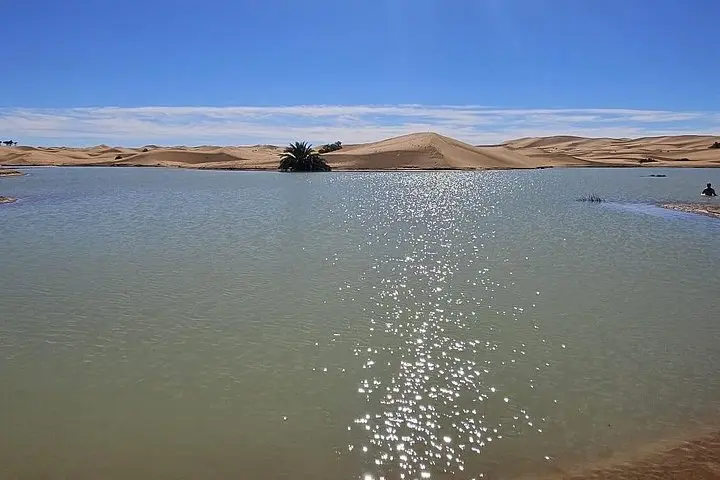
This route threads centuries of history: Ait Ben Haddou’s mud-brick ksar, a staging ground on trans-Saharan trade routes and a backdrop for films; Ouarzazate’s studios where desert landscapes became global sets; and the Dades and Todra gorges, where limestone walls—some rising 320 m—were carved by seasonal torrents. The dunes themselves are recent geologic accumulations, migrating grains that reshape with each wind, inviting a tactile sense of deep time.
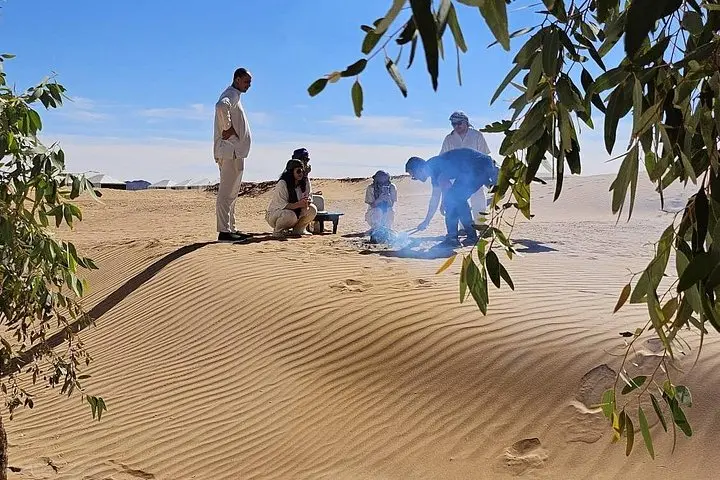
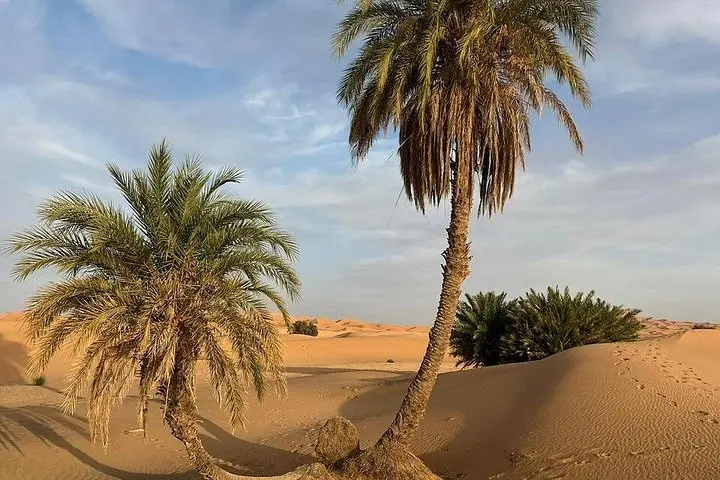
Cultural touches are immediate—tea shared with guide-hosts, Berber drumming in a desert camp, and the valley villages known for roses and palm‑grove agriculture. Expect quiet walks in shaded palm oases, a late-afternoon camel ride across rippling sand, and a night in well-appointed nomadic tents under an enormous sky.
Practicalities: daily drives range from ~255–562 km; road surfaces vary from paved to desert tracks; altitude on day one reaches ~2,260 m. Bring layered clothing for cold desert nights, sturdy shoes for short gorge walks, sun protection, and a refillable water bottle. Plan to rise early for sunrise on the dunes—the light is the day’s best reward, and the sand waits to be walked.
Camel rides are gentle and short (usually 1–2 hours total); riders should be able to mount and dismount with assistance and tolerate sitting for that period.
Camps are described as luxury nomadic tents—sleeping pads or beds, dinner, and heating available in cooler months, though facilities are rustic compared to hotels.
Yes—operators typically provide meals and can usually accommodate common dietary needs if notified at booking.
Not usually—highest altitude is the Tizi N’Tichka pass (~2,260 m); most travelers do not require special acclimatization but should move at a steady pace and stay hydrated.
APEX Tours Morocco operates guided outdoor trips and adventures with an emphasis on safety, stewardship, and memorable experiences.

Dust from the High Atlas coats the windows as the road climbs toward Tizi N’Tichka; by late morning the pass peels open to reveal dry riverbeds and stone villages clinging to slopes at 2,260 m. Over three days the journey moves from Marrakech’s ochre lanes through cinematic kasbah country to the rolling, wind-sculpted dunes of Erg Chebbi at Merzouga.
Dust from the High Atlas coats the windows as the road climbs toward Tizi N’Tichka; by late morning the pass peels open to reveal dry riverbeds and stone villages clinging to slopes at 2,260 m. Over three days the journey moves from Marrakech’s ochre lanes through cinematic kasbah country to the rolling, wind-sculpted dunes of Erg Chebbi at Merzouga.
This route threads centuries of history: Ait Ben Haddou’s mud-brick ksar, a staging ground on trans-Saharan trade routes and a backdrop for films; Ouarzazate’s studios where desert landscapes became global sets; and the Dades and Todra gorges, where limestone walls—some rising 320 m—were carved by seasonal torrents. The dunes themselves are recent geologic accumulations, migrating grains that reshape with each wind, inviting a tactile sense of deep time.
Cultural touches are immediate—tea shared with guide-hosts, Berber drumming in a desert camp, and the valley villages known for roses and palm‑grove agriculture. Expect quiet walks in shaded palm oases, a late-afternoon camel ride across rippling sand, and a night in well-appointed nomadic tents under an enormous sky.
Practicalities: daily drives range from ~255–562 km; road surfaces vary from paved to desert tracks; altitude on day one reaches ~2,260 m. Bring layered clothing for cold desert nights, sturdy shoes for short gorge walks, sun protection, and a refillable water bottle. Plan to rise early for sunrise on the dunes—the light is the day’s best reward, and the sand waits to be walked.