THE ADVENTURE COLLECTIVE® · Independent discovery and booking for outdoor travel

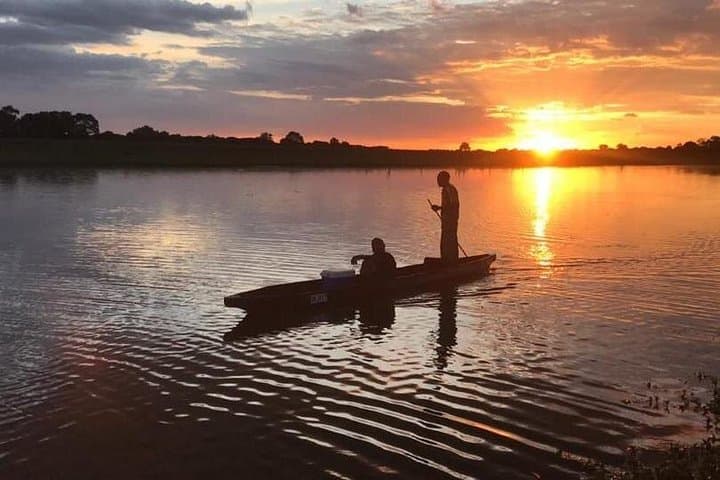
Spend three days on the Boteti River and in the Okavango’s edge country: mokoro channels, open-vehicle game drives and star-lit boma dinners from a small luxury tented lodge. Expect intimate wildlife viewing, long daylight safaris and riverfront relaxation.
Spend three days on the Boteti River and in the Okavango’s edge country: mokoro channels, open-vehicle game drives and star-lit boma dinners from a small luxury tented lodge. Expect intimate wildlife viewing, long daylight safaris and riverfront relaxation.
Dawn breaks over flat salt pans and the Boteti River pushes a slow, insistent current through tall reeds. You arrive from Maun and step onto a wide wooden deck where hippos line the riverbank and kingfishers puncture the air with electric flashes — the camp’s acacia roofs and horn-like mogotse bushes frame the scene like a natural amphitheater.
Verified experiences and guided adventures in the surrounding area.
Operated by Boteti Tented Safari Lodge · Maun, Ngamiland
Dawn breaks over flat salt pans and the Boteti River pushes a slow, insistent current through tall reeds. You arrive from Maun and step onto a wide wooden deck where hippos line the riverbank and kingfishers puncture the air with electric flashes — the camp’s acacia roofs and horn-like mogotse bushes frame the scene like a natural amphitheater.
The three-day itinerary folds classic Delta experiences into a small, intimate lodge setup: short river strolls and sundowners on day one, a full-day mokoro and open-vehicle safari (or a choice of either) on day two, and a relaxed bush breakfast before transfer back to Maun on day three. Geologically the Okavango is an inland delta spilling over Kalahari sands, creating seasonally shifting channels that concentrate wildlife and shape local livelihoods. Culturally, camp life leans on Tswana hospitality and guides schooled in bushcraft and bird identification.
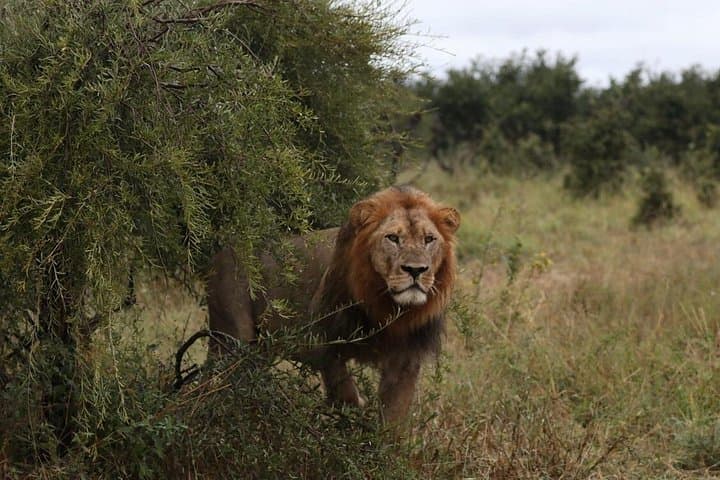
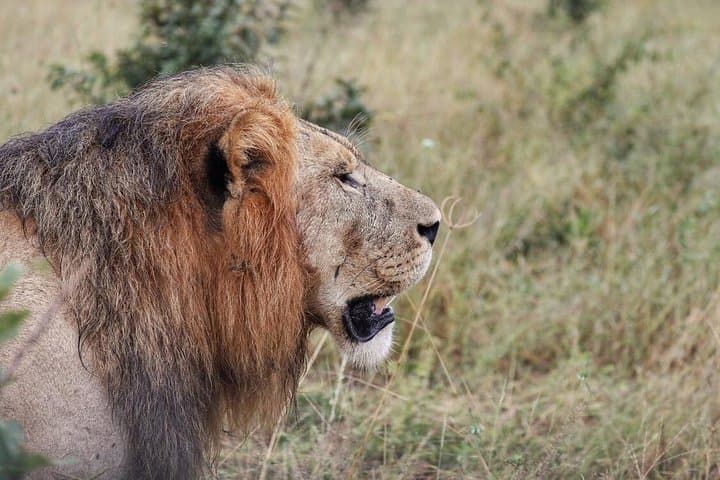
Expect long but gentle days: transfers are roughly two hours each way, and game drives can run to five hours with picnic stops. Trails are flat; mobility is easy but uneven ground around river edges and mokoro trips require steady footing. Wildlife encounters center on hippos, crocodiles, elephants and prolific birdlife; dawn and dusk are most active.
Practical tips: bring neutral, lightweight layers, reliable binoculars and a good camera with a 200–400mm lens if you want close-up shots, plus insect repellent and sun protection. Note accessibility and health warnings for spinal or serious heart conditions, and that the lodge prioritizes low-impact operations — keep noise low and carry out waste. With thoughtful packing and timing, this three-day circuit delivers a concentrated, high-comfort taste of the Okavango’s water-world.
Most travelers fly into Maun (MUB) and are picked up at the airport; transfer to the Boteti-area lodge is typically about two hours by vehicle depending on route and water levels.
Yes — breakfasts, lunches and dinners are included; sundowners and selected drinks are usually provided, but check specific inclusions at booking.
The tour is family-friendly but not ideal for infants (they must sit on laps) or travelers with serious spinal or cardiovascular conditions; contact the operator for specific accommodations.
The dry season (June–October) concentrates animals along permanent water like the Boteti and offers the best game viewing, while the wet season fills channels for excellent mokoro experiences and birding.
Boteti Tented Safari Lodge operates guided outdoor trips and adventures with an emphasis on safety, stewardship, and memorable experiences.
Dawn breaks over flat salt pans and the Boteti River pushes a slow, insistent current through tall reeds. You arrive from Maun and step onto a wide wooden deck where hippos line the riverbank and kingfishers puncture the air with electric flashes — the camp’s acacia roofs and horn-like mogotse bushes frame the scene like a natural amphitheater.
Dawn breaks over flat salt pans and the Boteti River pushes a slow, insistent current through tall reeds. You arrive from Maun and step onto a wide wooden deck where hippos line the riverbank and kingfishers puncture the air with electric flashes — the camp’s acacia roofs and horn-like mogotse bushes frame the scene like a natural amphitheater.
The three-day itinerary folds classic Delta experiences into a small, intimate lodge setup: short river strolls and sundowners on day one, a full-day mokoro and open-vehicle safari (or a choice of either) on day two, and a relaxed bush breakfast before transfer back to Maun on day three. Geologically the Okavango is an inland delta spilling over Kalahari sands, creating seasonally shifting channels that concentrate wildlife and shape local livelihoods. Culturally, camp life leans on Tswana hospitality and guides schooled in bushcraft and bird identification.
Expect long but gentle days: transfers are roughly two hours each way, and game drives can run to five hours with picnic stops. Trails are flat; mobility is easy but uneven ground around river edges and mokoro trips require steady footing. Wildlife encounters center on hippos, crocodiles, elephants and prolific birdlife; dawn and dusk are most active.
Practical tips: bring neutral, lightweight layers, reliable binoculars and a good camera with a 200–400mm lens if you want close-up shots, plus insect repellent and sun protection. Note accessibility and health warnings for spinal or serious heart conditions, and that the lodge prioritizes low-impact operations — keep noise low and carry out waste. With thoughtful packing and timing, this three-day circuit delivers a concentrated, high-comfort taste of the Okavango’s water-world.