THE ADVENTURE COLLECTIVE® · Independent discovery and booking for outdoor travel

Three days of camping and game drives in the Maasai Mara deliver close-up wildlife, river-side picnics, and dawn-to-dusk viewing across rolling savannah. This budget group safari emphasizes wildlife viewing, community camps, and practical thrills for first-time Mara visitors.
Three days of camping and game drives in the Maasai Mara deliver close-up wildlife, river-side picnics, and dawn-to-dusk viewing across rolling savannah. This budget group safari emphasizes wildlife viewing, community camps, and practical thrills for first-time Mara visitors.
Dawn slices across open savannah as a convoy of seven-seater 4x4s rolls toward the Mara; heat already pressing the horizon, birds launch from the grass and the guide checks the route. This three-day group camping safari drops you into the heart of the Maasai Mara, where rolling grassland gives way to river bends and the scent of earth after the night’s humidity.
Verified experiences and guided adventures in the surrounding area.
Operated by dennsland trekk tours · Maasai Mara, Narok County
Dawn slices across open savannah as a convoy of seven-seater 4x4s rolls toward the Mara; heat already pressing the horizon, birds launch from the grass and the guide checks the route. This three-day group camping safari drops you into the heart of the Maasai Mara, where rolling grassland gives way to river bends and the scent of earth after the night’s humidity.
The Mara sits on the Narok Plateau at roughly 1,500 m and covers roughly 1,500 km²; its geology is old volcanic soil, carved by seasonal rivers like the Mara River. The reserve was formally protected in the 1960s and is named for the Maasai people who have grazed these plains for generations—their culture still frames much of the human landscape here, from beadwork to local guiding.
Expect full-day game drives across undulating savannah, a picnic lunch near hippo pools, and evening returns to a community-run eco-camp. Wildlife moves with purpose: wildebeest gather, lions test the horizon, crocodiles lurk at river bends. Guides read signs—the grass flattened, birds alarm-calling—and translate that language into sightings.
Practical edge: roads are dirt and can be rough; wear broken-in shoes and layered clothing for cold mornings that warm to hot afternoons. Bring binoculars, a camera with a long lens, and cash for local fees and tipping. Confirm park entrance fees and pickup details before travel; malaria precautions and travel insurance are recommended. For budget camping, accept basic facilities and prioritize low-impact behavior: stay in vehicles during drives, minimize plastic, and follow your guide’s instructions to protect both you and the Mara.
Park fees are commonly charged separately from budget package rates—confirm with the operator before booking to know what’s included.
Most group safaris include a road transfer; pickup points are usually centralized hotels or offices in Nairobi—confirm your pickup time and location when booking.
Budget camps typically offer basic tented accommodation, shared facilities, and communal meals—expect modest comfort rather than luxury amenities.
Children can join but policies vary; infants are often required to sit on laps during transfers and parents should verify age restrictions and safety provisions ahead of booking.
dennsland trekk tours operates guided outdoor trips and adventures with an emphasis on safety, stewardship, and memorable experiences.


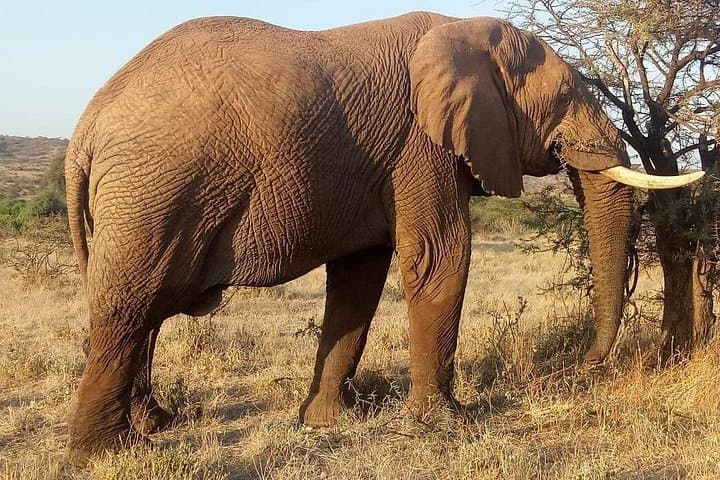
Dawn slices across open savannah as a convoy of seven-seater 4x4s rolls toward the Mara; heat already pressing the horizon, birds launch from the grass and the guide checks the route. This three-day group camping safari drops you into the heart of the Maasai Mara, where rolling grassland gives way to river bends and the scent of earth after the night’s humidity.
Dawn slices across open savannah as a convoy of seven-seater 4x4s rolls toward the Mara; heat already pressing the horizon, birds launch from the grass and the guide checks the route. This three-day group camping safari drops you into the heart of the Maasai Mara, where rolling grassland gives way to river bends and the scent of earth after the night’s humidity.
The Mara sits on the Narok Plateau at roughly 1,500 m and covers roughly 1,500 km²; its geology is old volcanic soil, carved by seasonal rivers like the Mara River. The reserve was formally protected in the 1960s and is named for the Maasai people who have grazed these plains for generations—their culture still frames much of the human landscape here, from beadwork to local guiding.
Expect full-day game drives across undulating savannah, a picnic lunch near hippo pools, and evening returns to a community-run eco-camp. Wildlife moves with purpose: wildebeest gather, lions test the horizon, crocodiles lurk at river bends. Guides read signs—the grass flattened, birds alarm-calling—and translate that language into sightings.
Practical edge: roads are dirt and can be rough; wear broken-in shoes and layered clothing for cold mornings that warm to hot afternoons. Bring binoculars, a camera with a long lens, and cash for local fees and tipping. Confirm park entrance fees and pickup details before travel; malaria precautions and travel insurance are recommended. For budget camping, accept basic facilities and prioritize low-impact behavior: stay in vehicles during drives, minimize plastic, and follow your guide’s instructions to protect both you and the Mara.