THE ADVENTURE COLLECTIVE® · Independent discovery and booking for outdoor travel

Three days of dawn-and-dusk game drives in the Maasai Mara, traveling by 4×4 from Nairobi and staying two nights at a budget tourist camp. Expect abundant wildlife, early starts, dusty roads, and cultural contacts with Maasai communities.
Three days of dawn-and-dusk game drives in the Maasai Mara, traveling by 4×4 from Nairobi and staying two nights at a budget tourist camp. Expect abundant wildlife, early starts, dusty roads, and cultural contacts with Maasai communities.
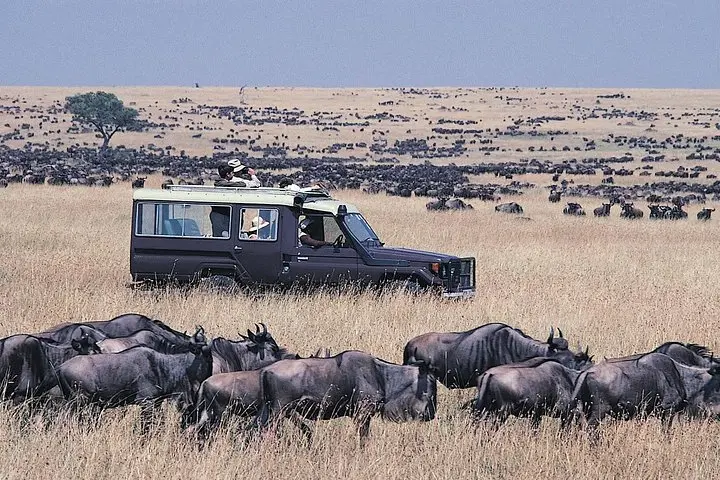
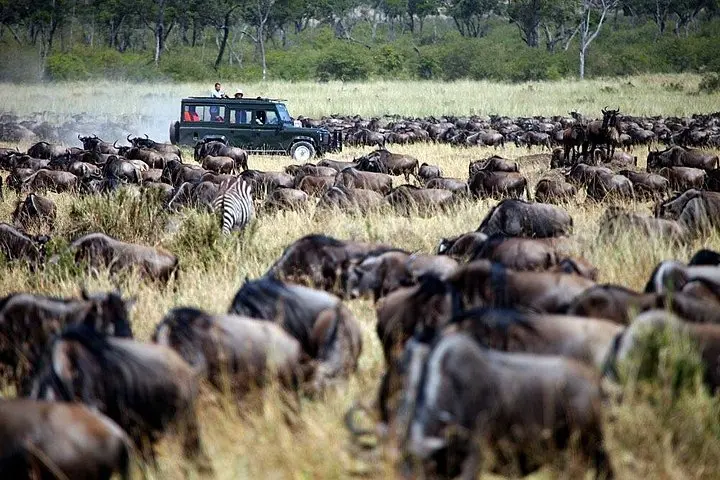
The sun lifts over grass sea and kopje, casting long shadows where predators and prey read the morning like a map. You climb into a 4×4 land cruiser in Nairobi, the city shrinking behind you as the Rift Valley floor opens; by afternoon you’ll be scanning acacia-studded plains for movement and listening for distant roars.
Verified experiences and guided adventures in the surrounding area.
Operated by Gracepatt Safaris · Maasai Mara, Narok County
The sun lifts over grass sea and kopje, casting long shadows where predators and prey read the morning like a map. You climb into a 4×4 land cruiser in Nairobi, the city shrinking behind you as the Rift Valley floor opens; by afternoon you’ll be scanning acacia-studded plains for movement and listening for distant roars.
The Maasai Mara sits on the southern edge of the Kenyan Rift, part of the Mara–Serengeti ecosystem shaped by volcanic soils and seasonal rivers. The reserve’s rolling savanna and riverine thickets have supported pastoral Maasai communities for generations; many operators include optional village visits that offer cultural context alongside wildlife viewing.
Expect long game drives at dawn and dusk when visibility and animal activity peak. The terrain is primarily grassland and gentle hills with river crossings at the Talek and seasonal marshes; elevation averages around 1,500 m, so temperatures cool overnight. Historical pressures—migration routes, colonial-era hunting, later conservation zoning—have given way to modern community conservancies that balance tourism with grazing.
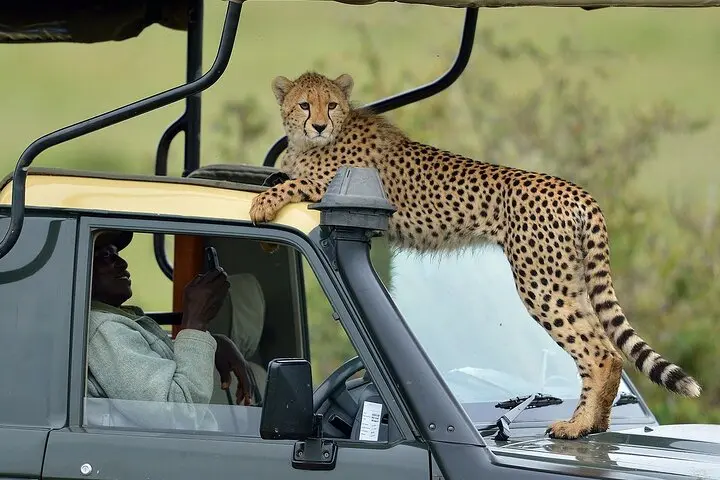
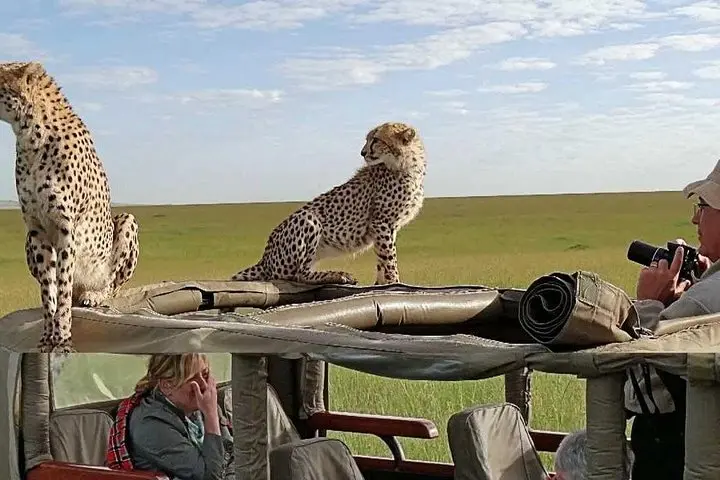
Practically, the trip is low-impact physically but logistically full: early wake-ups, dusty tracks, and extended periods in a vehicle. Bring binoculars, sun protection, layered clothing for chilly mornings, and a camera with a tele lens. Stay on marked tracks, keep windows partly closed near big cats, and follow your guide’s instructions. Expect three days of full-board accommodation at a basic tourist camp with two full game days and an open-ended return to Nairobi by late afternoon on day three.
This itinerary delivers high wildlife density on a budget—ideal for first-time safarists who want big sightings without luxury frills.
Expect roughly 4.5–6 hours by road depending on traffic and stops; the route follows the Rift Valley floor and includes one main arrival on day one.
No—game drives are conducted from a land cruiser and require minimal physical exertion; however, mornings are early and roads can be bumpy.
High likelihood of seeing lions, elephants, giraffes, zebras, wildebeest and many antelope species; sightings of leopards and rhinos are possible but less common.
Consult your doctor, but routine travel vaccinations and anti-malarial precautions are commonly recommended for the Mara region; bring insect repellent and use bed nets if provided.
Gracepatt Safaris operates guided outdoor trips and adventures with an emphasis on safety, stewardship, and memorable experiences.
The sun lifts over grass sea and kopje, casting long shadows where predators and prey read the morning like a map. You climb into a 4×4 land cruiser in Nairobi, the city shrinking behind you as the Rift Valley floor opens; by afternoon you’ll be scanning acacia-studded plains for movement and listening for distant roars.
The sun lifts over grass sea and kopje, casting long shadows where predators and prey read the morning like a map. You climb into a 4×4 land cruiser in Nairobi, the city shrinking behind you as the Rift Valley floor opens; by afternoon you’ll be scanning acacia-studded plains for movement and listening for distant roars.
The Maasai Mara sits on the southern edge of the Kenyan Rift, part of the Mara–Serengeti ecosystem shaped by volcanic soils and seasonal rivers. The reserve’s rolling savanna and riverine thickets have supported pastoral Maasai communities for generations; many operators include optional village visits that offer cultural context alongside wildlife viewing.
Expect long game drives at dawn and dusk when visibility and animal activity peak. The terrain is primarily grassland and gentle hills with river crossings at the Talek and seasonal marshes; elevation averages around 1,500 m, so temperatures cool overnight. Historical pressures—migration routes, colonial-era hunting, later conservation zoning—have given way to modern community conservancies that balance tourism with grazing.
Practically, the trip is low-impact physically but logistically full: early wake-ups, dusty tracks, and extended periods in a vehicle. Bring binoculars, sun protection, layered clothing for chilly mornings, and a camera with a tele lens. Stay on marked tracks, keep windows partly closed near big cats, and follow your guide’s instructions. Expect three days of full-board accommodation at a basic tourist camp with two full game days and an open-ended return to Nairobi by late afternoon on day three.
This itinerary delivers high wildlife density on a budget—ideal for first-time safarists who want big sightings without luxury frills.