THE ADVENTURE COLLECTIVE® · Independent discovery and booking for outdoor travel

Three days of vehicle-based game drives in the Maasai Mara with tented camping, multiple wildlife-viewing windows and village cultural options. Early starts, long drives, and high chances to see the Big Five and river crossings.
Three days of vehicle-based game drives in the Maasai Mara with tented camping, multiple wildlife-viewing windows and village cultural options. Early starts, long drives, and high chances to see the Big Five and river crossings.
Dawn arrives over the Mara as the Land Cruiser cracks across red soil; tall grasses stir and the horizon sharpens into silhouettes of acacia and grazing impala. The first morning game drive feels deliberate — engines low, guide scanning horizons — and the reserve itself seems to breathe: rivers urging crossings, herds moving with patient certainty.
Verified experiences and guided adventures in the surrounding area.
Operated by Gracepatt Ecotours Kenya · Narok, Narok County
Dawn arrives over the Mara as the Land Cruiser cracks across red soil; tall grasses stir and the horizon sharpens into silhouettes of acacia and grazing impala. The first morning game drive feels deliberate — engines low, guide scanning horizons — and the reserve itself seems to breathe: rivers urging crossings, herds moving with patient certainty.
The Maasai Mara sits on the floor of the East African Rift, where volcanic uplift and river erosion created broad savanna broken by koppies and winding tributaries. The park’s human story is as visible as its geology: Maasai families have grazed these plains for generations, and many lodges and camps work with local communities to share revenue and cultural exchange.
Over three days visitors follow a simple rhythm: early game drives when predators hunt, midday rest at a camp with running water and basic comforts, and long afternoons watching giraffes scale the tall thorn trees. The Mara River — famous for migration crossings — dominates the middle season and can transform a routine drive into a front-row spectacle.
Practical edge: expect long days on dusty tracks, early wake-ups (before sunrise) and bumpy roads en route from Nairobi. Bring layered clothing for cold mornings and hot afternoons, a good pair of binoculars, and a camera with extra batteries. Hydrate, tip your guide appropriately, and consider a cultural visit to a nearby Maasai village to round out the wildlife with human stories. With modest camping comfort and offered meals, this itinerary balances authentic safari time with straightforward logistics.
Routine vaccinations are recommended; check with a travel clinic about yellow fever, typhoid, and malaria prophylaxis—requirements vary by origin country.
Expect about 5–6 hours of road travel with a stop at the Rift Valley viewpoint and lunch in Narok; times vary with traffic and road conditions.
Tents are basic safari tents with beds, hot running water, and toilet facilities at the listed camp, but comfort levels are rustic compared to lodges.
The migration peaks in the Mara between July and October when large herds and dramatic river crossings are most likely, though resident wildlife is present year-round.
Gracepatt Ecotours Kenya operates guided outdoor trips and adventures with an emphasis on safety, stewardship, and memorable experiences.
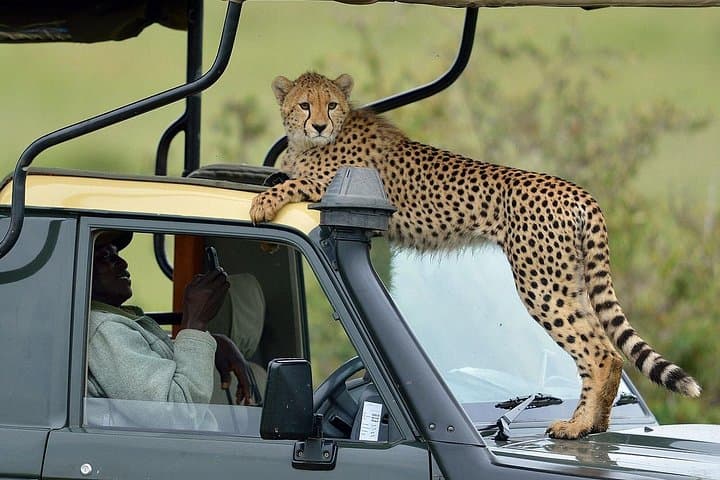


Dawn arrives over the Mara as the Land Cruiser cracks across red soil; tall grasses stir and the horizon sharpens into silhouettes of acacia and grazing impala. The first morning game drive feels deliberate — engines low, guide scanning horizons — and the reserve itself seems to breathe: rivers urging crossings, herds moving with patient certainty.
Dawn arrives over the Mara as the Land Cruiser cracks across red soil; tall grasses stir and the horizon sharpens into silhouettes of acacia and grazing impala. The first morning game drive feels deliberate — engines low, guide scanning horizons — and the reserve itself seems to breathe: rivers urging crossings, herds moving with patient certainty.
The Maasai Mara sits on the floor of the East African Rift, where volcanic uplift and river erosion created broad savanna broken by koppies and winding tributaries. The park’s human story is as visible as its geology: Maasai families have grazed these plains for generations, and many lodges and camps work with local communities to share revenue and cultural exchange.
Over three days visitors follow a simple rhythm: early game drives when predators hunt, midday rest at a camp with running water and basic comforts, and long afternoons watching giraffes scale the tall thorn trees. The Mara River — famous for migration crossings — dominates the middle season and can transform a routine drive into a front-row spectacle.
Practical edge: expect long days on dusty tracks, early wake-ups (before sunrise) and bumpy roads en route from Nairobi. Bring layered clothing for cold mornings and hot afternoons, a good pair of binoculars, and a camera with extra batteries. Hydrate, tip your guide appropriately, and consider a cultural visit to a nearby Maasai village to round out the wildlife with human stories. With modest camping comfort and offered meals, this itinerary balances authentic safari time with straightforward logistics.