THE ADVENTURE COLLECTIVE® · Independent discovery and booking for outdoor travel

Three days in a 4x4 land cruiser delivers close-up encounters with the Big Five, river crossings of the wildebeest migration, and nights in simple tented camps. This guide covers what to expect on the drives, cultural context, seasonal considerations, and practical tips for packing and timing.
Three days in a 4x4 land cruiser delivers close-up encounters with the Big Five, river crossings of the wildebeest migration, and nights in simple tented camps. This guide covers what to expect on the drives, cultural context, seasonal considerations, and practical tips for packing and timing.
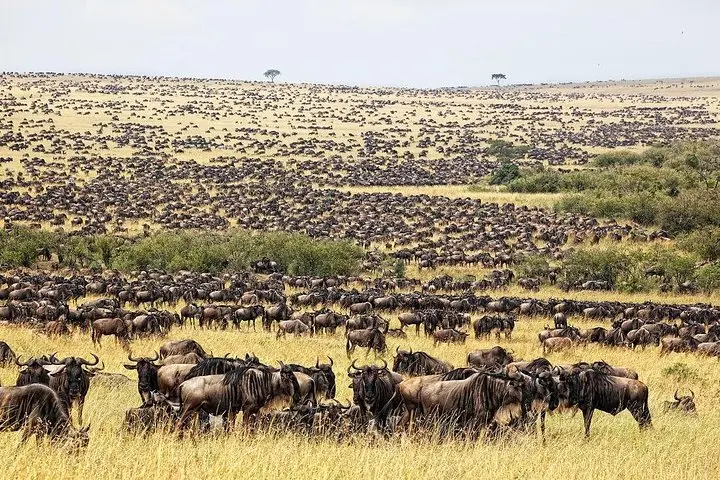
Dawn pulls a pale ribbon across the savanna as your 4x4 pushes through tall grass, the pop-up roof a small observatory against an endless sky. The Land Cruiser hums toward a river that dares the wildebeest to cross; hippos blow steam from murky pools while acacia silhouettes puncture the horizon.
Verified experiences and guided adventures in the surrounding area.
Operated by Gracepatt Safaris · Masai Mara, Narok County
Dawn pulls a pale ribbon across the savanna as your 4x4 pushes through tall grass, the pop-up roof a small observatory against an endless sky. The Land Cruiser hums toward a river that dares the wildebeest to cross; hippos blow steam from murky pools while acacia silhouettes puncture the horizon.
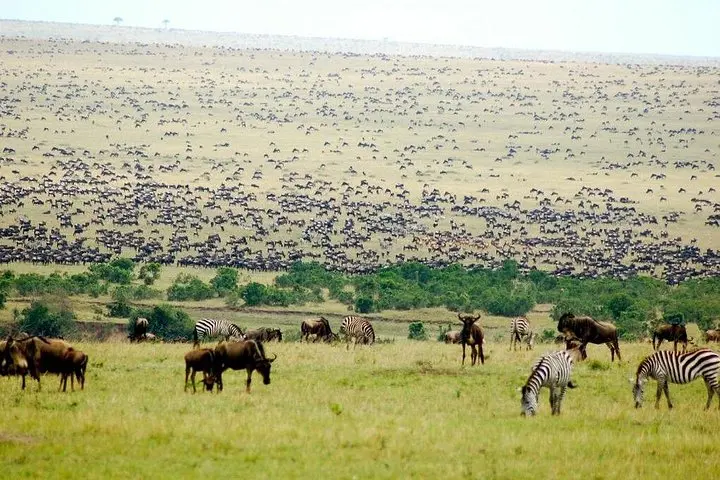
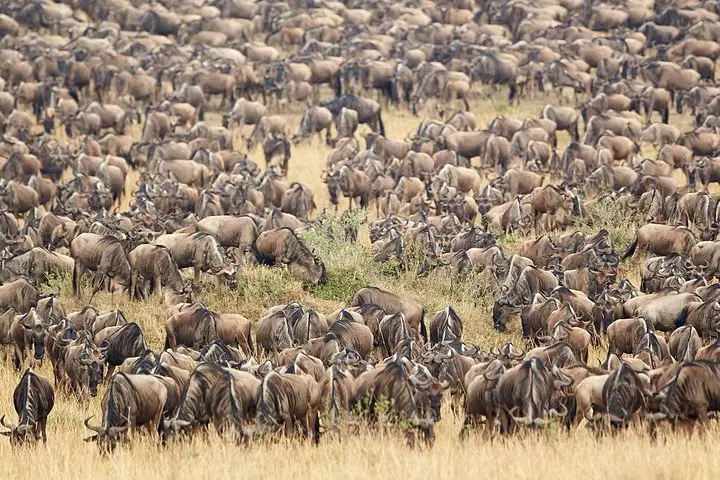
The Maasai Mara sits on the floor of the Great Rift Valley, a landscape carved by tectonic forces and host to a living migration. The reserve was formally set aside in the early 1960s to protect resident wildlife and the seasonal movement from the Serengeti. The Maasai people remain visible partners in the land—herders whose culture and knowledge shape how the Mara is used and experienced today.
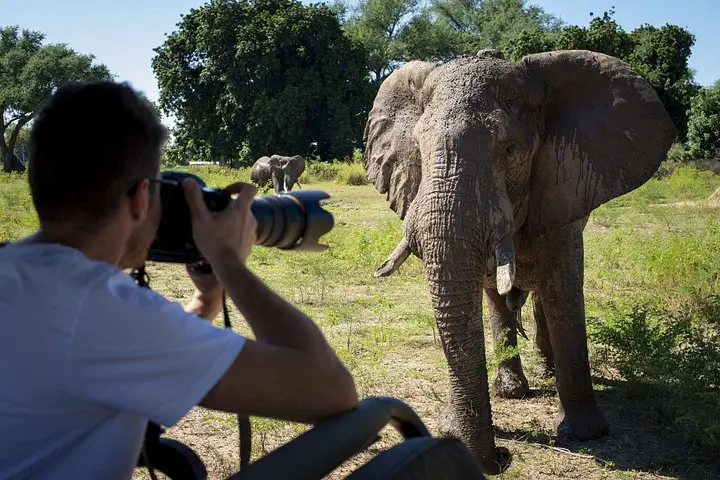
On a three-day jeep safari you’ll prioritize wildlife viewing: morning and evening game drives when predators are most active, full-day searches for the Big Five, and river-side watches for crocodile and hippo. Guides read tracks, time crossings, and position vehicles for safe, ethical viewing from a respectful distance. Evenings are spent in tented camps with linens, hot showers, and charging points—simple comforts after long days on the plain.
Practical notes: entrance fees vary seasonally (higher July–December during peak migration), and travel includes pickup from Nairobi with several hours of driving each way. Pack neutral clothing, binoculars, sun protection, and a compact daypack. Hydrate for long drives, listen to your guide, and expect dusty roads and sudden wildlife moments—this is a trip where patience yields some of Africa’s most memorable scenes.
No; park entrance fees are paid separately on arrival and vary by season—January–June rates are lower than July–December (peak migration).
Tented camps typically offer beds with linens, mosquito nets, en-suite or nearby showers, and electricity for charging in the evening.
June–October aligns with large-scale movements and river crossings; sightings can occur outside this window but are less predictable.
Infants must sit on laps; the itinerary notes it’s not recommended for travelers with spinal issues due to bumpy roads and vehicle movement.
Gracepatt Safaris operates guided outdoor trips and adventures with an emphasis on safety, stewardship, and memorable experiences.
Dawn pulls a pale ribbon across the savanna as your 4x4 pushes through tall grass, the pop-up roof a small observatory against an endless sky. The Land Cruiser hums toward a river that dares the wildebeest to cross; hippos blow steam from murky pools while acacia silhouettes puncture the horizon.
Dawn pulls a pale ribbon across the savanna as your 4x4 pushes through tall grass, the pop-up roof a small observatory against an endless sky. The Land Cruiser hums toward a river that dares the wildebeest to cross; hippos blow steam from murky pools while acacia silhouettes puncture the horizon.
The Maasai Mara sits on the floor of the Great Rift Valley, a landscape carved by tectonic forces and host to a living migration. The reserve was formally set aside in the early 1960s to protect resident wildlife and the seasonal movement from the Serengeti. The Maasai people remain visible partners in the land—herders whose culture and knowledge shape how the Mara is used and experienced today.
On a three-day jeep safari you’ll prioritize wildlife viewing: morning and evening game drives when predators are most active, full-day searches for the Big Five, and river-side watches for crocodile and hippo. Guides read tracks, time crossings, and position vehicles for safe, ethical viewing from a respectful distance. Evenings are spent in tented camps with linens, hot showers, and charging points—simple comforts after long days on the plain.
Practical notes: entrance fees vary seasonally (higher July–December during peak migration), and travel includes pickup from Nairobi with several hours of driving each way. Pack neutral clothing, binoculars, sun protection, and a compact daypack. Hydrate for long drives, listen to your guide, and expect dusty roads and sudden wildlife moments—this is a trip where patience yields some of Africa’s most memorable scenes.