THE ADVENTURE COLLECTIVE® · Independent discovery and booking for outdoor travel

Three days in the Masai Mara put you alongside the Great Migration, with full-day game drives, an eco-camp stay, and optional cultural visits to Maasai villages. Expect early mornings, long views across open savannah, and close wildlife encounters guided by experienced naturalists.
Three days in the Masai Mara put you alongside the Great Migration, with full-day game drives, an eco-camp stay, and optional cultural visits to Maasai villages. Expect early mornings, long views across open savannah, and close wildlife encounters guided by experienced naturalists.
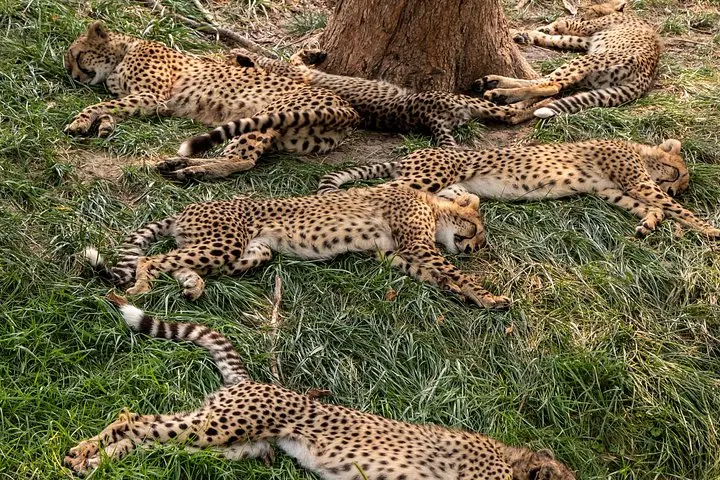
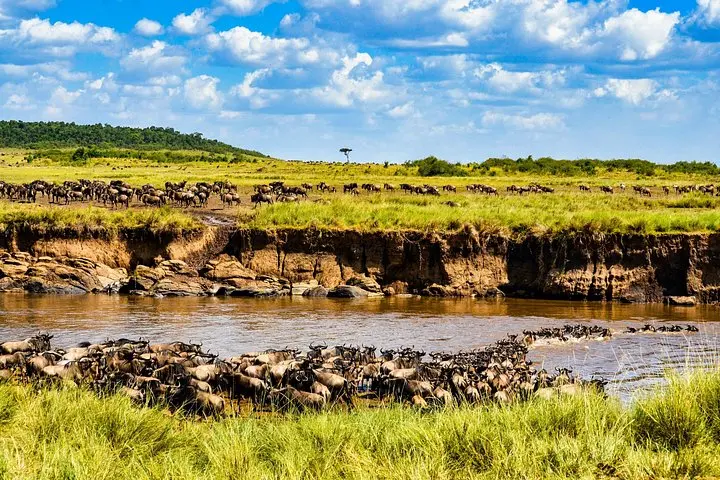
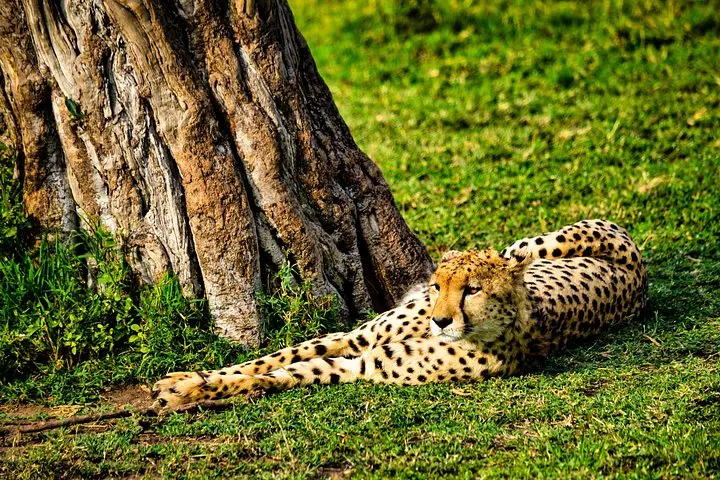
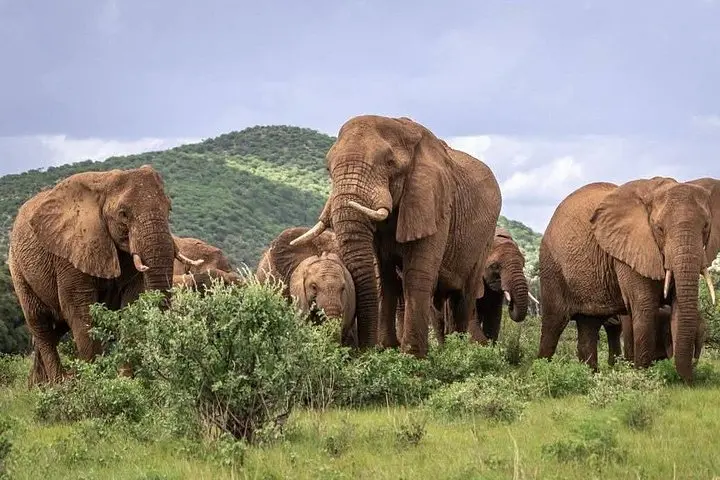
Morning light strips the savannah into bands of gold and shadow as a Land Cruiser bumps along a dusty track toward the Mara River. You feel the herd before you see it: a moving dark line on the horizon, wildebeest and zebra threading together, while distant lion prides watch with deliberate patience.
Verified experiences and guided adventures in the surrounding area.
Operated by Sunstrip Africa Safaris · Masai Mara, Narok County
Morning light strips the savannah into bands of gold and shadow as a Land Cruiser bumps along a dusty track toward the Mara River. You feel the herd before you see it: a moving dark line on the horizon, wildebeest and zebra threading together, while distant lion prides watch with deliberate patience.
The Masai Mara’s rolling grasslands sit on the southern edge of the East African Rift, where volcanic soils and seasonal rains feed the grass that supports the famous Great Migration. The reserve’s name comes from the Maasai people—whose pastoral culture and gatekeeper role shape both the human and natural story of the Mara. Geology here is simple: open plains cut by seasonal rivers, escarpments that throw long shadows, and pocketed riverine trees that attract hippo and crocodile.
Daytime is for game drives—close-range wildlife viewing using an extensive network of tracks—while evenings are spent in an eco camp under a broad African sky. Cultural visits to a Maasai village explain beadwork, rangeland stewardship, and community conservancy models that fund wildlife protection.
Practically: travel from Nairobi or Narok by road in an air-conditioned vehicle; expect early starts for the best light and animal activity. Bring sun protection, layered clothing for cool mornings, and binoculars for distant crossings. Vehicles are equipped for photography but keep noise low and windows framed: wildlife sets the tempo here. If chasing the river crossings, plan for July–October when crossings peak and roads can be dusty or rutted. Respect local guides—their knowledge is the difference between a good sighting and a lifetime one.
July through October is the peak window for Mara River crossings, though exact timing varies year to year—your guide will track movement daily.
There are no mandatory vaccinations for entry beyond standard travel requirements, but yellow fever proof may be needed depending on origin; malaria prophylaxis is recommended—consult a travel clinic before departure.
Expect a mix of short morning and evening drives plus a full-day game drive on day two, typically several hours with breaks for picnic lunches.
Yes—village visits are commonly offered as an optional extra and support local incomes; politely ask your guide about appropriate gifts or fees.
Sunstrip Africa Safaris operates guided outdoor trips and adventures with an emphasis on safety, stewardship, and memorable experiences.
Morning light strips the savannah into bands of gold and shadow as a Land Cruiser bumps along a dusty track toward the Mara River. You feel the herd before you see it: a moving dark line on the horizon, wildebeest and zebra threading together, while distant lion prides watch with deliberate patience.
Morning light strips the savannah into bands of gold and shadow as a Land Cruiser bumps along a dusty track toward the Mara River. You feel the herd before you see it: a moving dark line on the horizon, wildebeest and zebra threading together, while distant lion prides watch with deliberate patience.
The Masai Mara’s rolling grasslands sit on the southern edge of the East African Rift, where volcanic soils and seasonal rains feed the grass that supports the famous Great Migration. The reserve’s name comes from the Maasai people—whose pastoral culture and gatekeeper role shape both the human and natural story of the Mara. Geology here is simple: open plains cut by seasonal rivers, escarpments that throw long shadows, and pocketed riverine trees that attract hippo and crocodile.
Daytime is for game drives—close-range wildlife viewing using an extensive network of tracks—while evenings are spent in an eco camp under a broad African sky. Cultural visits to a Maasai village explain beadwork, rangeland stewardship, and community conservancy models that fund wildlife protection.
Practically: travel from Nairobi or Narok by road in an air-conditioned vehicle; expect early starts for the best light and animal activity. Bring sun protection, layered clothing for cool mornings, and binoculars for distant crossings. Vehicles are equipped for photography but keep noise low and windows framed: wildlife sets the tempo here. If chasing the river crossings, plan for July–October when crossings peak and roads can be dusty or rutted. Respect local guides—their knowledge is the difference between a good sighting and a lifetime one.