THE ADVENTURE COLLECTIVE® · Independent discovery and booking for outdoor travel

Three days in the Maasai Mara means early-morning game drives, river crossings at the Mara, and guided searches for the Big Five. Read on for what to expect, seasonal timing, and practical packing tips.
Three days in the Maasai Mara means early-morning game drives, river crossings at the Mara, and guided searches for the Big Five. Read on for what to expect, seasonal timing, and practical packing tips.
Dawn paints the savanna gold as your vehicle slips through the Sekenani entrance and the plains open up—acres of waving grass, the river cutting a dark ribbon where crocodiles wait and wildebeest edge toward the water. This three-day circuit places you in the rhythm of the Mara: early-morning drives when predators are active, long midday glances across grasslands, and late-afternoon light that sharpens every silhouette.
Verified experiences and guided adventures in the surrounding area.
Operated by PONGEZI AFRICA SAFARIS · Maasai Mara National Reserve, Narok County
Dawn paints the savanna gold as your vehicle slips through the Sekenani entrance and the plains open up—acres of waving grass, the river cutting a dark ribbon where crocodiles wait and wildebeest edge toward the water. This three-day circuit places you in the rhythm of the Mara: early-morning drives when predators are active, long midday glances across grasslands, and late-afternoon light that sharpens every silhouette.
The Maasai Mara sits on the floor of the East African Rift; its rolling plains and riverine galleries were shaped by volcanic uplift and the slow sinking of the Rift Valley. The reserve was set aside in the 1960s and remains a stronghold for Maasai pastoral culture—look for traditional bomas and shepherds guiding cattle along dirt tracks. Geology and culture combine to make the Mara a living landscape where migration pulses each year.
Expect full-day game drives, a stop at the Great Rift Valley viewpoint en route from Nairobi, and focused time at the Mara River during migration season. Terrain is mostly grassland with patches of acacia and river forest; tracks can be rutted and require a 4x4. Guides concentrate on sightings of the Big Five, cheetah, hyena, and hippo along river bends.
Practical notes: plan for early starts, bring layered clothing for cool mornings, sun protection, malaria precautions, and binoculars. Roads between Nairobi and the Mara take about 5–6 hours by road depending on traffic and stops. Book park fees and confirm camp amenities ahead of arrival; nights at a mid-range tented camp are common. With straightforward logistics and a seasoned guide, this compact safari maximizes wildlife viewing while keeping travel time efficient.
The classic peak for river crossings in the Mara is July–October, though large herds move through at varying times depending on rains.
Park fees are often separate from tour prices—confirm with the operator before travel to avoid surprises.
This listing indicates wheelchair-accessible transport and surfaces, but accessibility for specific camps and vehicle layouts should be confirmed in advance.
Malaria is present in the region; speak with a travel clinic about prophylaxis and ensure routine vaccinations are up to date.
PONGEZI AFRICA SAFARIS operates guided outdoor trips and adventures with an emphasis on safety, stewardship, and memorable experiences.
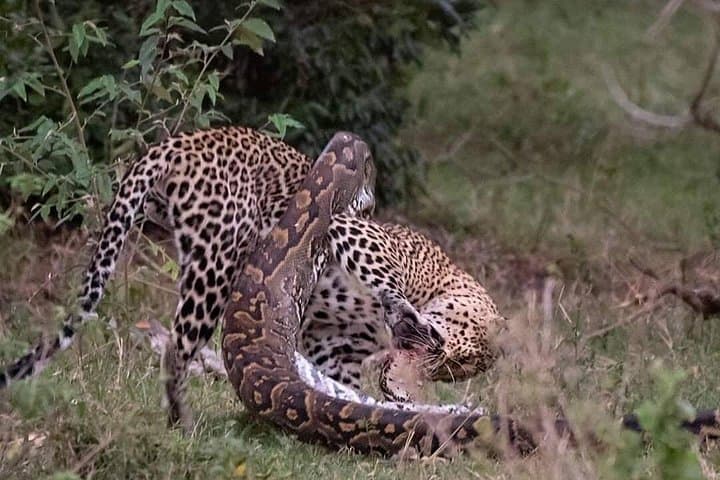
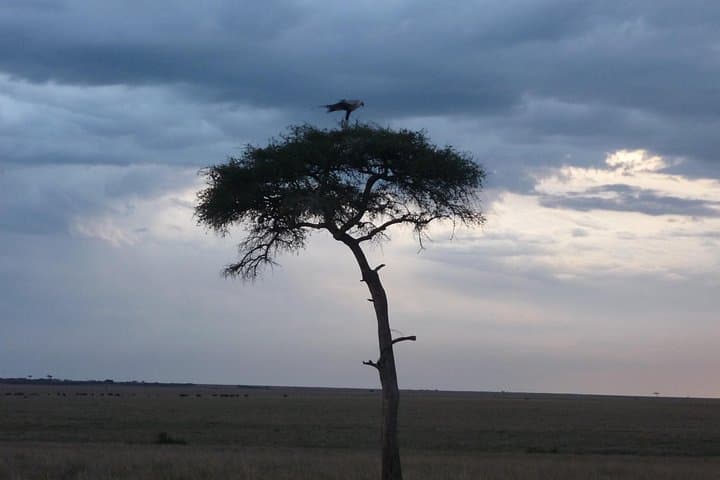
Dawn paints the savanna gold as your vehicle slips through the Sekenani entrance and the plains open up—acres of waving grass, the river cutting a dark ribbon where crocodiles wait and wildebeest edge toward the water. This three-day circuit places you in the rhythm of the Mara: early-morning drives when predators are active, long midday glances across grasslands, and late-afternoon light that sharpens every silhouette.
Dawn paints the savanna gold as your vehicle slips through the Sekenani entrance and the plains open up—acres of waving grass, the river cutting a dark ribbon where crocodiles wait and wildebeest edge toward the water. This three-day circuit places you in the rhythm of the Mara: early-morning drives when predators are active, long midday glances across grasslands, and late-afternoon light that sharpens every silhouette.
The Maasai Mara sits on the floor of the East African Rift; its rolling plains and riverine galleries were shaped by volcanic uplift and the slow sinking of the Rift Valley. The reserve was set aside in the 1960s and remains a stronghold for Maasai pastoral culture—look for traditional bomas and shepherds guiding cattle along dirt tracks. Geology and culture combine to make the Mara a living landscape where migration pulses each year.
Expect full-day game drives, a stop at the Great Rift Valley viewpoint en route from Nairobi, and focused time at the Mara River during migration season. Terrain is mostly grassland with patches of acacia and river forest; tracks can be rutted and require a 4x4. Guides concentrate on sightings of the Big Five, cheetah, hyena, and hippo along river bends.
Practical notes: plan for early starts, bring layered clothing for cool mornings, sun protection, malaria precautions, and binoculars. Roads between Nairobi and the Mara take about 5–6 hours by road depending on traffic and stops. Book park fees and confirm camp amenities ahead of arrival; nights at a mid-range tented camp are common. With straightforward logistics and a seasoned guide, this compact safari maximizes wildlife viewing while keeping travel time efficient.