THE ADVENTURE COLLECTIVE® · Independent discovery and booking for outdoor travel

A three-day immersion into Masai Mara’s vast savannahs: dawn game drives, possible Great Migration river crossings, and a Maasai cultural visit. Practical guidance for timing, gear, and what to expect on the reserve.
A three-day immersion into Masai Mara’s vast savannahs: dawn game drives, possible Great Migration river crossings, and a Maasai cultural visit. Practical guidance for timing, gear, and what to expect on the reserve.
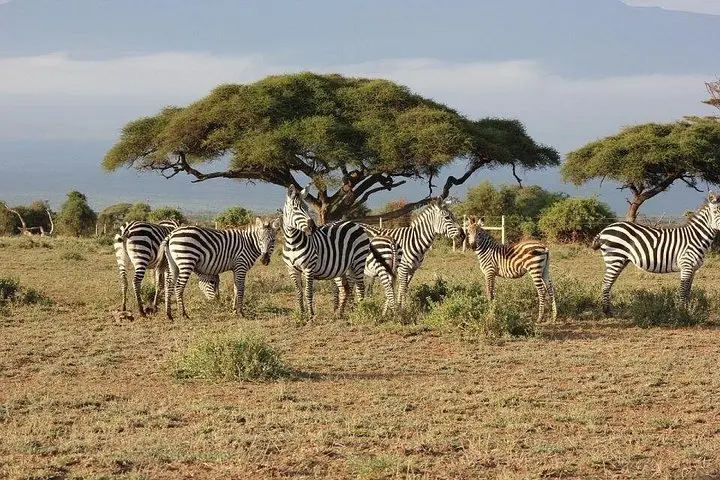
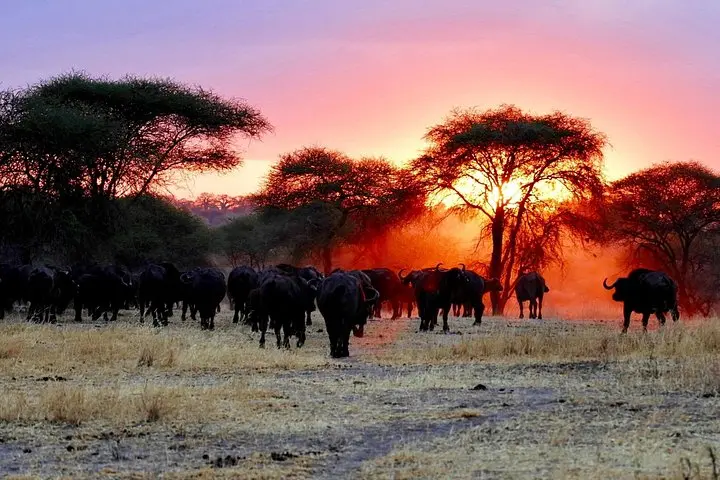
Dust rises in the thin morning light as your safari vehicle cuts a path across the Mara plains; acacia silhouettes stand like watchful figures while distant roars and trumpets punctuate the air.
Verified experiences and guided adventures in the surrounding area.
Operated by Kairi Tours and Safaris · Masai Mara, Narok County
Dust rises in the thin morning light as your safari vehicle cuts a path across the Mara plains; acacia silhouettes stand like watchful figures while distant roars and trumpets punctuate the air.
The Masai Mara is primarily a savannah carved by the Great Rift Valley, its grasslands shaped by seasonal rains and the slow pull of tectonic plates. The reserve's name comes from the Maasai people, whose pastoral culture and distinctive beadwork remain woven into park life. Geology here produces kopjes—rocky outcrops that give predators vantage points and photographers golden frames.
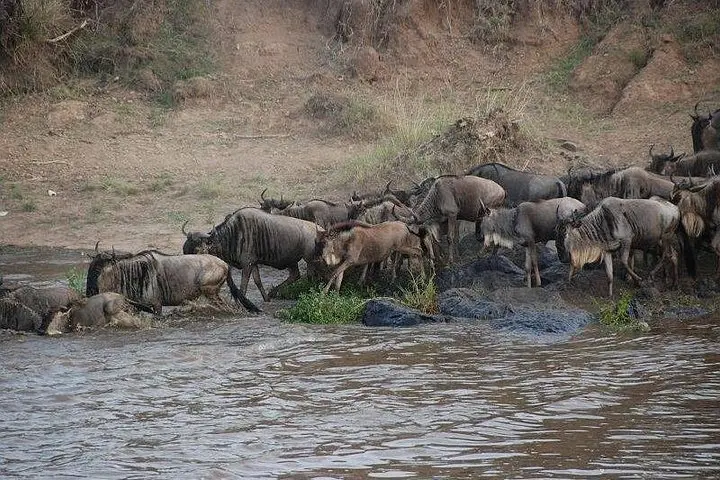
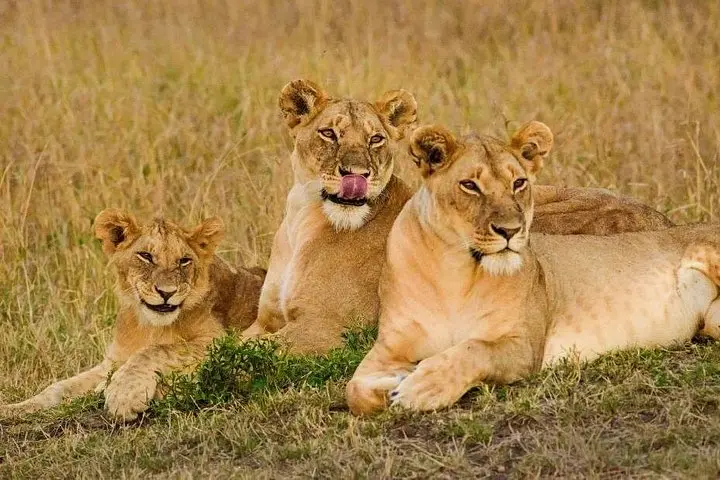
Wildlife dominates the narrative: prides of lion, stalking leopards, herds of elephant and the sweeping arcs of wildebeest during migration. Local guides double as natural historians, reading spoor and seasonal movement like pages in a book. A cultural stop at a Maasai village offers context—livestock grazing, oral histories and a practical look at human-wildlife coexistence.
Practically, expect long but comfortable game-drive days from a tented camp like Rhino Tourist Camp, with early starts and midday rests. Roads vary from firm tracks to rutted red clay after rains, so a high-clearance 4x4 is standard. Bring layers for cold mornings and sun protection for brutal midday light. Hydration, insect repellent and binoculars will make sightings more rewarding. If you travel July–October, plan for river crossings and larger crowds; March–May favors calving and predator activity but can be wet.
Three days gives a strong chance to see the Big Five, learn Maasai traditions and experience the Mara’s dramatic seasonal rhythms without rushing.
July to October is the prime window for Mara river crossings and large concentration of wildebeest, though sightings can vary year to year.
Consult a travel clinic for recommended vaccinations and malaria prophylaxis; bring a basic first-aid kit and ensure routine shots are up to date.
This tour includes selected meals and game drives as listed, but confirm whether park entry fees, optional cultural visits and gratuities are covered before booking.
Most lodges and safari vehicles are comfortable but not fully wheelchair-adapted; inform the operator of mobility needs in advance for arrangements.
Kairi Tours and Safaris operates guided outdoor trips and adventures with an emphasis on safety, stewardship, and memorable experiences.
Dust rises in the thin morning light as your safari vehicle cuts a path across the Mara plains; acacia silhouettes stand like watchful figures while distant roars and trumpets punctuate the air.
Dust rises in the thin morning light as your safari vehicle cuts a path across the Mara plains; acacia silhouettes stand like watchful figures while distant roars and trumpets punctuate the air.
The Masai Mara is primarily a savannah carved by the Great Rift Valley, its grasslands shaped by seasonal rains and the slow pull of tectonic plates. The reserve's name comes from the Maasai people, whose pastoral culture and distinctive beadwork remain woven into park life. Geology here produces kopjes—rocky outcrops that give predators vantage points and photographers golden frames.
Wildlife dominates the narrative: prides of lion, stalking leopards, herds of elephant and the sweeping arcs of wildebeest during migration. Local guides double as natural historians, reading spoor and seasonal movement like pages in a book. A cultural stop at a Maasai village offers context—livestock grazing, oral histories and a practical look at human-wildlife coexistence.
Practically, expect long but comfortable game-drive days from a tented camp like Rhino Tourist Camp, with early starts and midday rests. Roads vary from firm tracks to rutted red clay after rains, so a high-clearance 4x4 is standard. Bring layers for cold mornings and sun protection for brutal midday light. Hydration, insect repellent and binoculars will make sightings more rewarding. If you travel July–October, plan for river crossings and larger crowds; March–May favors calving and predator activity but can be wet.
Three days gives a strong chance to see the Big Five, learn Maasai traditions and experience the Mara’s dramatic seasonal rhythms without rushing.