THE ADVENTURE COLLECTIVE® · Independent discovery and booking for outdoor travel

Three days across the Maasai Mara offers concentrated big-five viewing, possible wildebeest river crossings during migration, and a cultural visit to a Maasai village. Expect long game-drive days, pop-up-roof viewing, and prime photographic opportunities.
Three days across the Maasai Mara offers concentrated big-five viewing, possible wildebeest river crossings during migration, and a cultural visit to a Maasai village. Expect long game-drive days, pop-up-roof viewing, and prime photographic opportunities.
Sun breaks the horizon over an ocean of grass; heat pools on a distant termite mound while a lone acacia casts a sparse shadow. You’ll feel the Mara move around you—lions rearranging the silence, giraffes browsing the skyline, and the Mara River daring thousands of hooves to cross. This three-day, two-night loop puts you in a pop-up roof safari vehicle, following game trails across roughly 1,510 km² of reserve at an average elevation near 1,500 m.
Verified experiences and guided adventures in the surrounding area.
Operated by Expedition Happy Hour · Narok, Narok County
Sun breaks the horizon over an ocean of grass; heat pools on a distant termite mound while a lone acacia casts a sparse shadow. You’ll feel the Mara move around you—lions rearranging the silence, giraffes browsing the skyline, and the Mara River daring thousands of hooves to cross. This three-day, two-night loop puts you in a pop-up roof safari vehicle, following game trails across roughly 1,510 km² of reserve at an average elevation near 1,500 m.
The Maasai Mara is an extension of the Serengeti ecosystem and has been home to pastoral Maasai communities for centuries; its rolling plains and river-cut gorges are products of Rift Valley geology and seasonal rains. During July–September the wildebeest migration concentrates wildlife around river crossings, while the rest of the year offers dense resident populations—elephant, buffalo, leopard, and the iconic six-male pride known locally as the Marsh Boys.
Expect morning and afternoon game drives (often up to 4–8 hours total daily), a chance to visit a Maasai village for songs and jumping dances, and long stretches of quiet watching. Vehicles are customized for viewing and photography but uneven tracks mean you’ll stand and steady for shots.
Practical guidance: pack layered clothing for cool mornings and hot afternoons, bring binoculars and a long lens if you photograph, and carry at least 2 liters of water per person per day. Vaccinations and malaria prophylaxis are recommended; follow ranger instructions and keep windows partially closed near rivers. Respect local customs, tip guides when satisfied, and leave no trace—the Mara’s balance depends on careful tourism.
Peak crossings and high concentrations are typically July through September; some animals return through October to early November.
Children can join but policies vary; child rates depend on sharing arrangements—check age restrictions and comfort with long drives.
Yellow fever vaccination may be required for some travelers; malaria prophylaxis is strongly advised and routine travel vaccines should be current—consult your travel clinic.
Yes—an optional village visit typically includes song and dance, a cultural walk, and photo opportunities; follow the guide’s guidance and respect local customs.
Expedition Happy Hour operates guided outdoor trips and adventures with an emphasis on safety, stewardship, and memorable experiences.
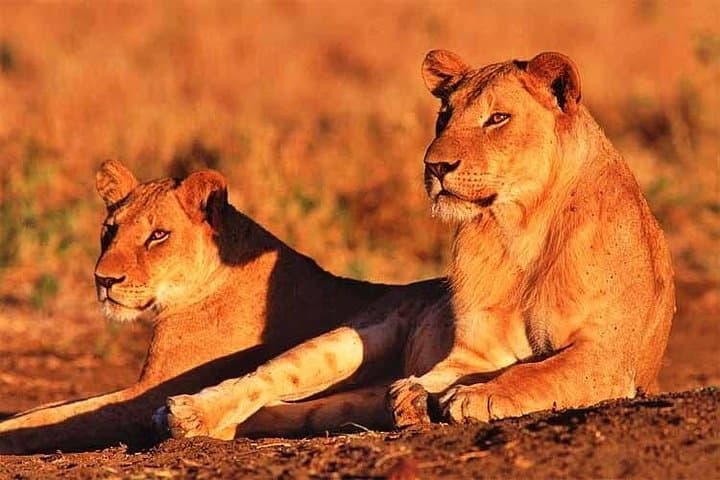
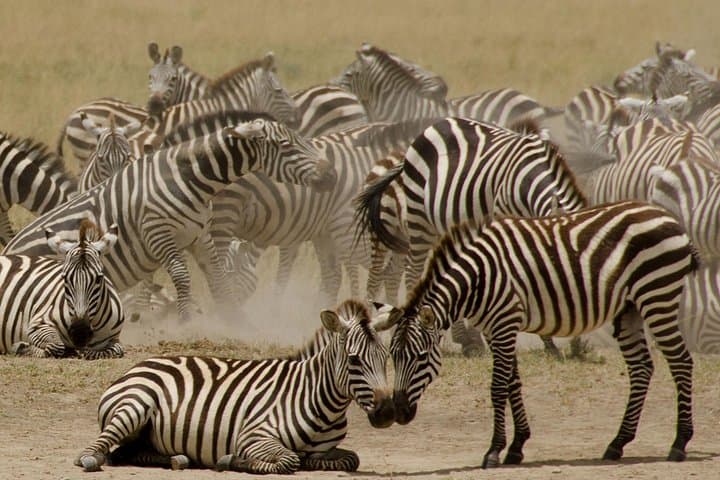
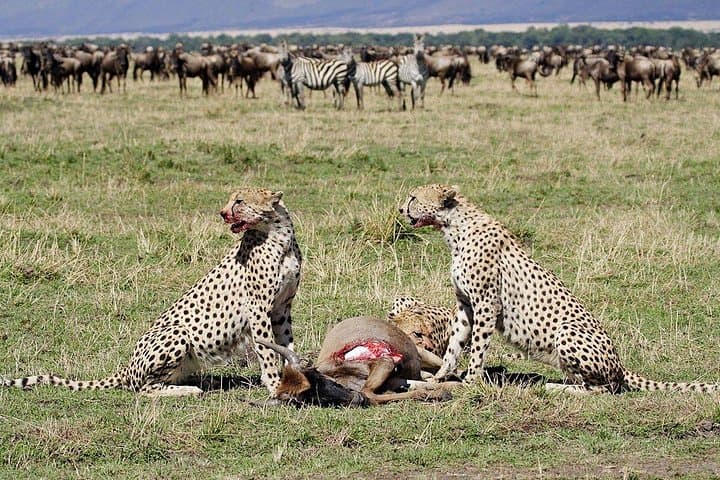
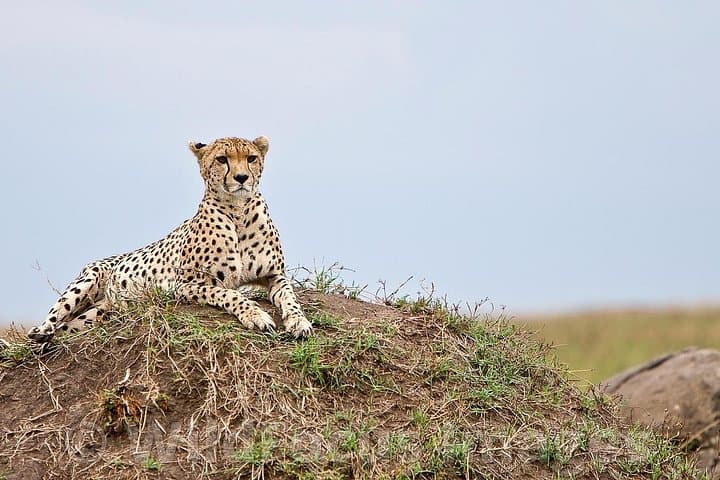
Sun breaks the horizon over an ocean of grass; heat pools on a distant termite mound while a lone acacia casts a sparse shadow. You’ll feel the Mara move around you—lions rearranging the silence, giraffes browsing the skyline, and the Mara River daring thousands of hooves to cross. This three-day, two-night loop puts you in a pop-up roof safari vehicle, following game trails across roughly 1,510 km² of reserve at an average elevation near 1,500 m.
Sun breaks the horizon over an ocean of grass; heat pools on a distant termite mound while a lone acacia casts a sparse shadow. You’ll feel the Mara move around you—lions rearranging the silence, giraffes browsing the skyline, and the Mara River daring thousands of hooves to cross. This three-day, two-night loop puts you in a pop-up roof safari vehicle, following game trails across roughly 1,510 km² of reserve at an average elevation near 1,500 m.
The Maasai Mara is an extension of the Serengeti ecosystem and has been home to pastoral Maasai communities for centuries; its rolling plains and river-cut gorges are products of Rift Valley geology and seasonal rains. During July–September the wildebeest migration concentrates wildlife around river crossings, while the rest of the year offers dense resident populations—elephant, buffalo, leopard, and the iconic six-male pride known locally as the Marsh Boys.
Expect morning and afternoon game drives (often up to 4–8 hours total daily), a chance to visit a Maasai village for songs and jumping dances, and long stretches of quiet watching. Vehicles are customized for viewing and photography but uneven tracks mean you’ll stand and steady for shots.
Practical guidance: pack layered clothing for cool mornings and hot afternoons, bring binoculars and a long lens if you photograph, and carry at least 2 liters of water per person per day. Vaccinations and malaria prophylaxis are recommended; follow ranger instructions and keep windows partially closed near rivers. Respect local customs, tip guides when satisfied, and leave no trace—the Mara’s balance depends on careful tourism.